 English
 中文简体
中文简体 русский
YJ-CK72ST Single-spindle Double Gang-Tool CNC Machine Tool
Cat:Center-Drive Single Spindle Double-Row Tool CNC Lathe Series
Processing Range: Clamping outer diameter: ≤ Φ72 mm Spindle clamping width: 170 mm Workpiece length:...
View Details

Manufacturing industries continue to search for practical machining solutions that can support changing production requirements. As product structures become more complex and customer demands become more diversified, traditional machining methods may require additional handling steps and repeated setups.
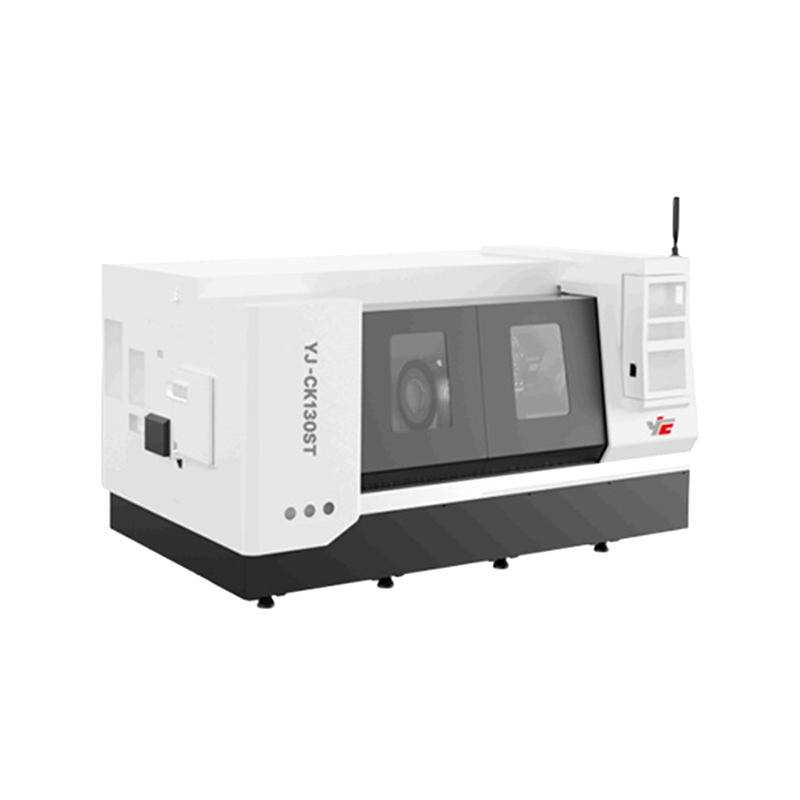
A CNC Double Head Lathe provides a flexible approach for turning operations by combining dual machining functions within a single machine structure. This type of equipment is designed to help manufacturers organize production procedures, improve workflow coordination, and handle various turning tasks with greater convenience.
Through suitable configuration and customization, CNC Double Head Lathe equipment can be adapted to different components, materials, and production environments.
A CNC Double Head Lathe is a turning machine equipped with two machining heads or spindle systems. The dual-head structure allows manufacturers to arrange machining operations according to specific production requirements.
Compared with traditional turning equipment, a double-head design provides more flexibility during part processing. It can support operations that require machining from different directions or handling multiple procedures within the same production cycle.
The main structure usually includes:
Each part of the machine works together to maintain stable machining procedures and support continuous production operations.
In many manufacturing processes, production time is affected by part movement, repeated positioning, and manual adjustments. A CNC Double Head Lathe helps organize these processes by allowing different machining operations to be arranged within a coordinated system.
When a component requires machining on different sections, traditional methods may require operators to transfer the workpiece between machines or complete several setups.
A double-head lathe can help reduce unnecessary movement by allowing different machining steps to be completed through a more integrated process.
Benefits include:
Different components often require several turning operations before completion. A CNC Double Head Lathe allows manufacturers to plan machining processes based on product requirements.
The dual-head structure can support applications such as:
By combining machining functions within one equipment platform, manufacturers can create a more organized production environment.
When selecting CNC turning equipment, manufacturers usually consider machine structure, control functions, and application requirements.
The spindle system is an important part of double-head lathe design. Different production requirements may require different spindle arrangements and control methods.
A suitable spindle configuration can help manufacturers handle various materials and component structures.
The CNC system manages machining programs, movement instructions, and operational settings.
Important functions include:
A suitable CNC system helps operators manage production tasks more effectively.
Tool selection has a direct influence on turning processes. CNC Double Head Lathe equipment can be configured with different tooling solutions according to machining requirements.
Tooling design considerations include:
CNC Double Head Lathe equipment is used in various industries where turning operations require stable processing and flexible production arrangements.
Automotive suppliers often manufacture components with precise shapes and repeated production requirements. Double-head turning equipment can support machining tasks for shafts, connectors, and mechanical parts.
Industrial machinery manufacturers use CNC turning equipment for producing different mechanical components. The dual-head structure can help organize machining procedures for parts with specific designs.
Hydraulic industries require machining solutions for components such as valves, cylinders, and fittings. CNC Double Head Lathe equipment can support different turning operations based on product requirements.
Metal processing companies use CNC turning machines for various applications, including shaping, drilling, and component finishing procedures.
Factors to Consider When Using CNC Double Head Lathe
Choosing suitable CNC equipment requires careful consideration of production requirements.
Manufacturers should evaluate:
A suitable machine configuration helps businesses create a reliable machining process that matches their manufacturing goals.
Every factory has different requirements. Some manufacturers may need special fixtures, specific tooling arrangements, or customized machine structures.
A customized CNC Double Head Lathe solution can be developed according to:
This flexibility allows companies to build equipment solutions that fit their production conditions.
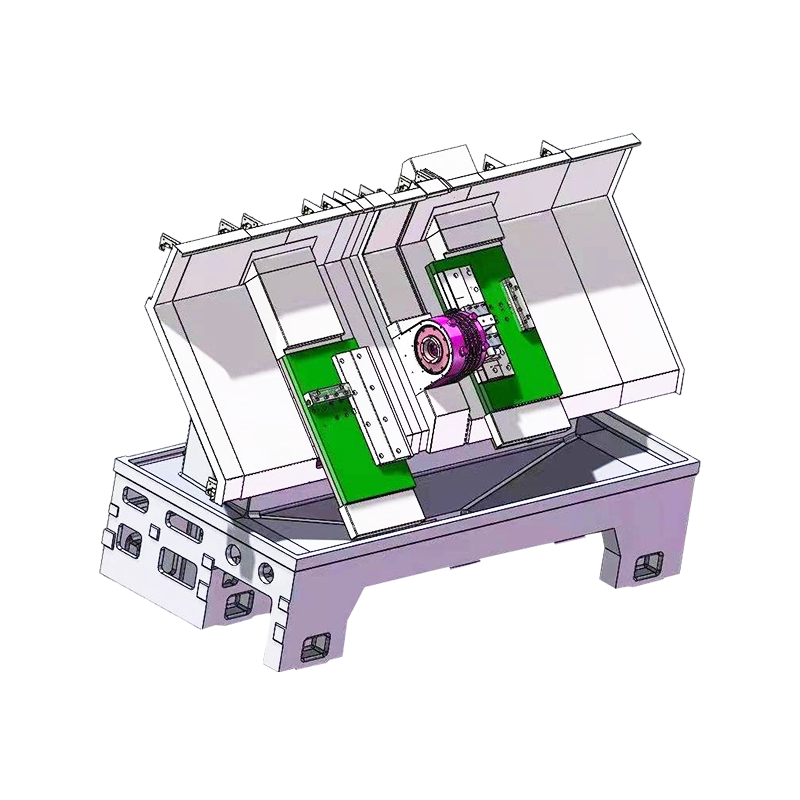
Processing Range: Clamping outer diameter: ≤ Φ72 mm Spindle clamping width: 170 mm Workpiece length:...
View Details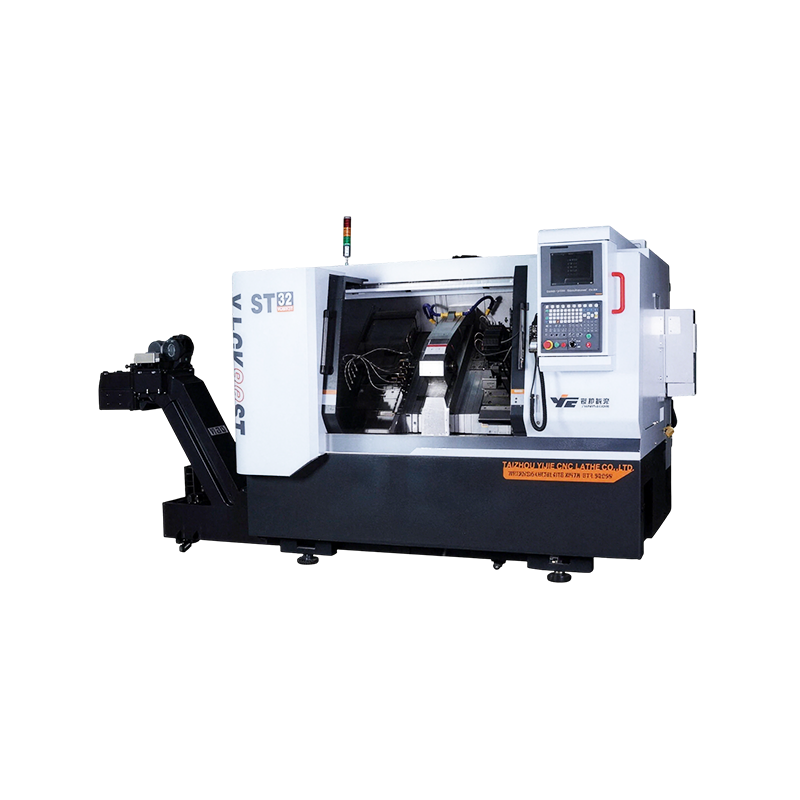
Core Positioning and Pain Point Resolution: The YJ-CK32ST Double-spindle Double-row Tool CNC Lathe i...
View Details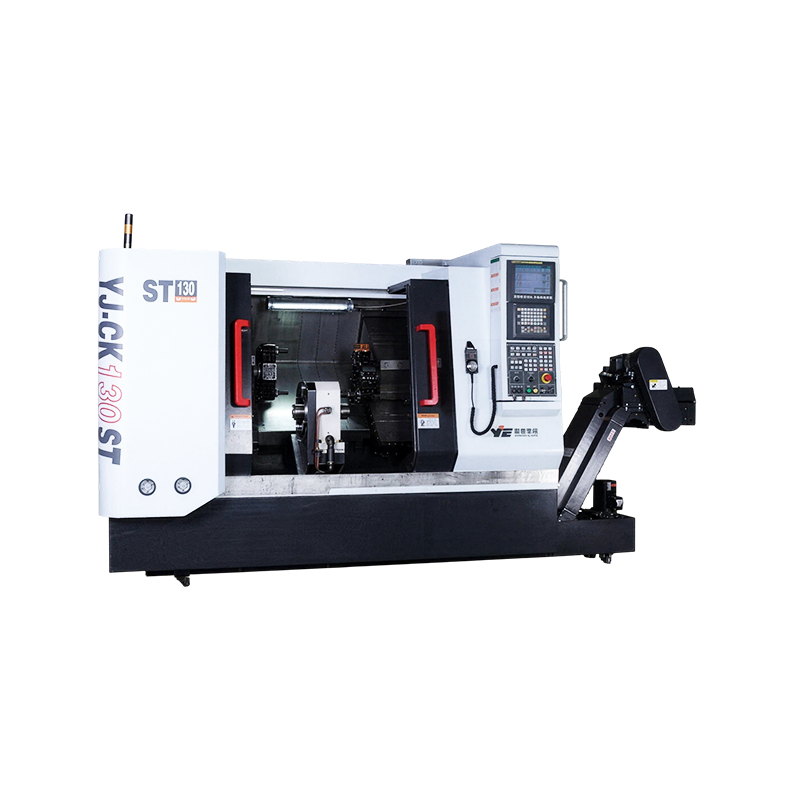
The YJ-CK95ST dual-turret CNC double-spindle lathe is designed for new energy motor shaft manufactur...
View Details
The YJ-CK250ST double-spindle dual-turret CNC lathe is designed for double-end processing of large-s...
View Details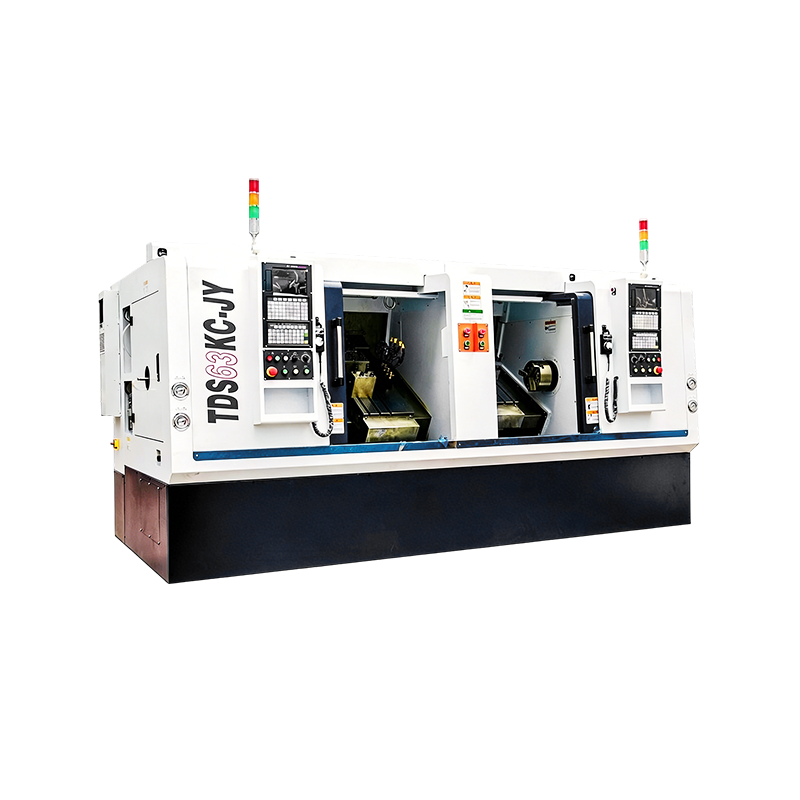
The YJ-CK50SDT opposed dual-spindle machine tool features a vertically arranged opposed dual-spindle...
View Details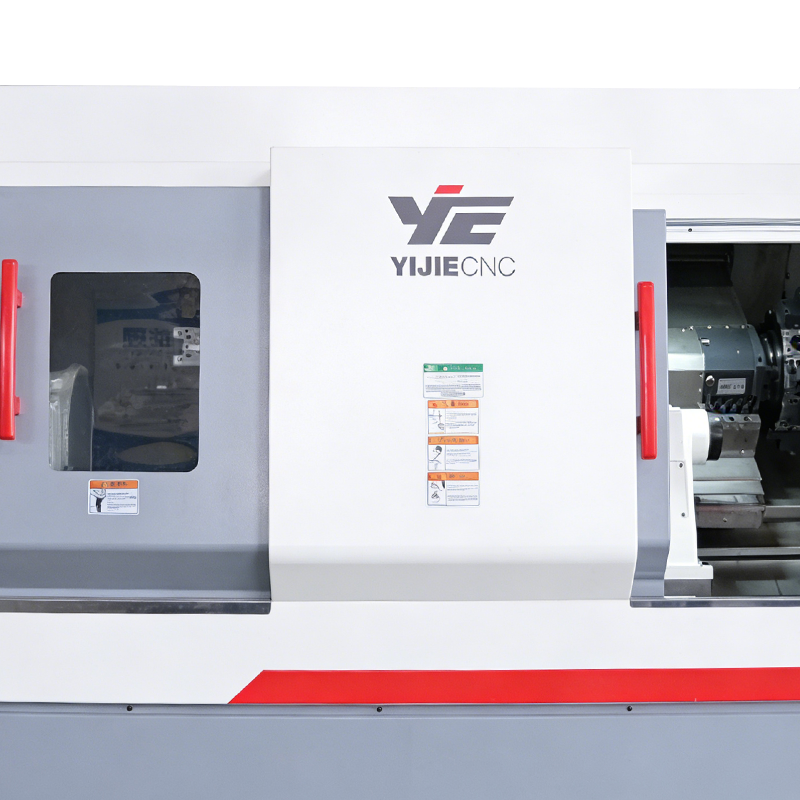
YJCK-72IISF Triple-Turret Intelligent CNC Lathe The YJCK-72IISF Triple-Turret Intelligent CNC Lathe ...
View Details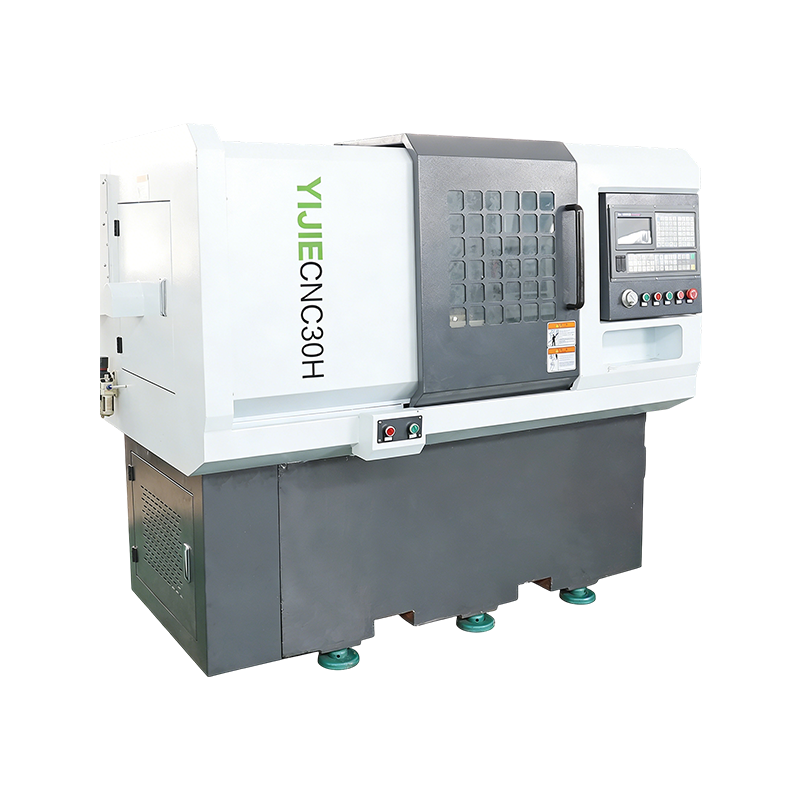
The YJ-CNC160H flat-bed linear guide CNC lathe realizes full-automatic turning via a CNC system, cap...
View Details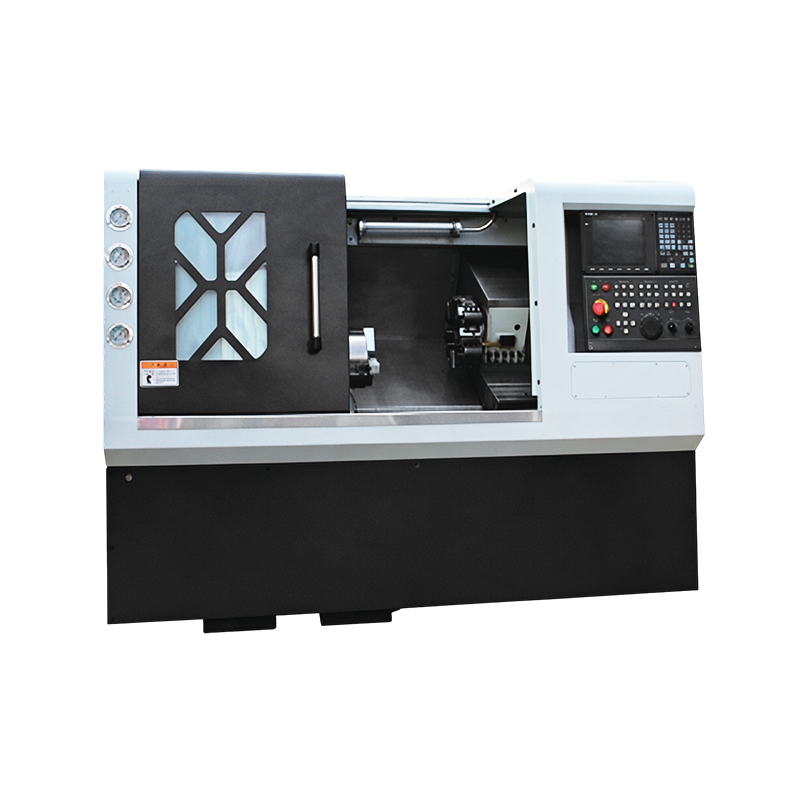
The YJ-CNC5878 slant-bed CNC machine tool is Yijie's new-generation heavy-duty turning center, equip...
View Details
The YJ-CNC4558 slant-bed CNC lathe is Yijie's new-generation medium-heavy turning center, equipped w...
View Details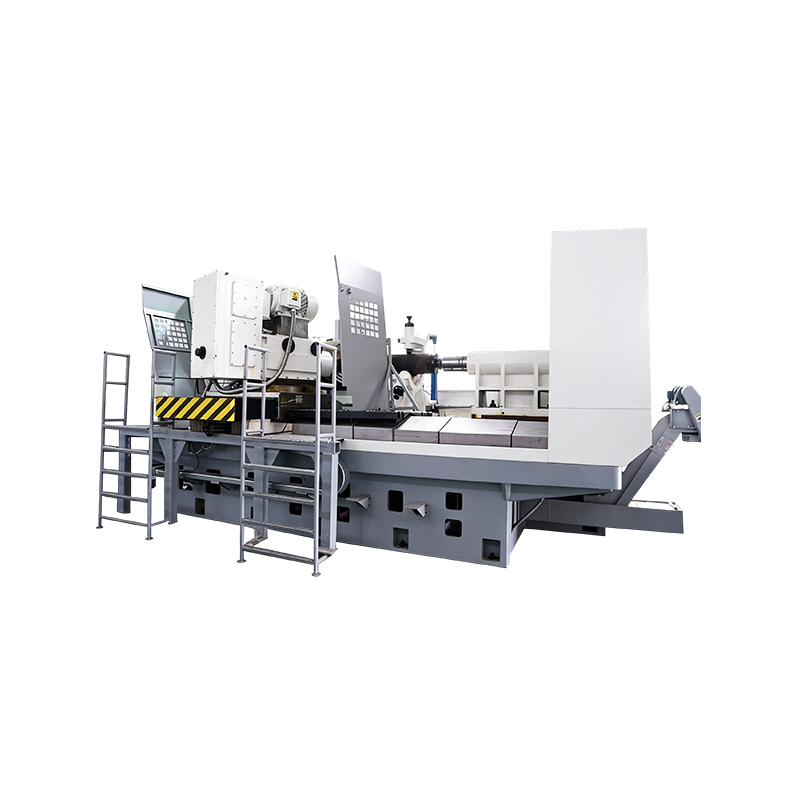
The YJ-CK061TS CNC heavy-duty milling and boring machine features high precision, large power, high ...
View Details
+86-576-81716185
+86-13566440883
tzyijie@163.com
+86-576-87411279
3.Pharmaceutical Packaging Industrial Zone, Lupu Town, Yuhuan, Taizhou, Zhejiang, China
Copyright © 2025 Taizhou Yijie CNC Machine Tool Co., Ltd.
Intelligent CNC Machine Tool
