Supporting Connected CNC Production: The Role of IoT-Enabled Smart CNC Equipment
What Is IoT-Enabled Smart CNC Equipment?
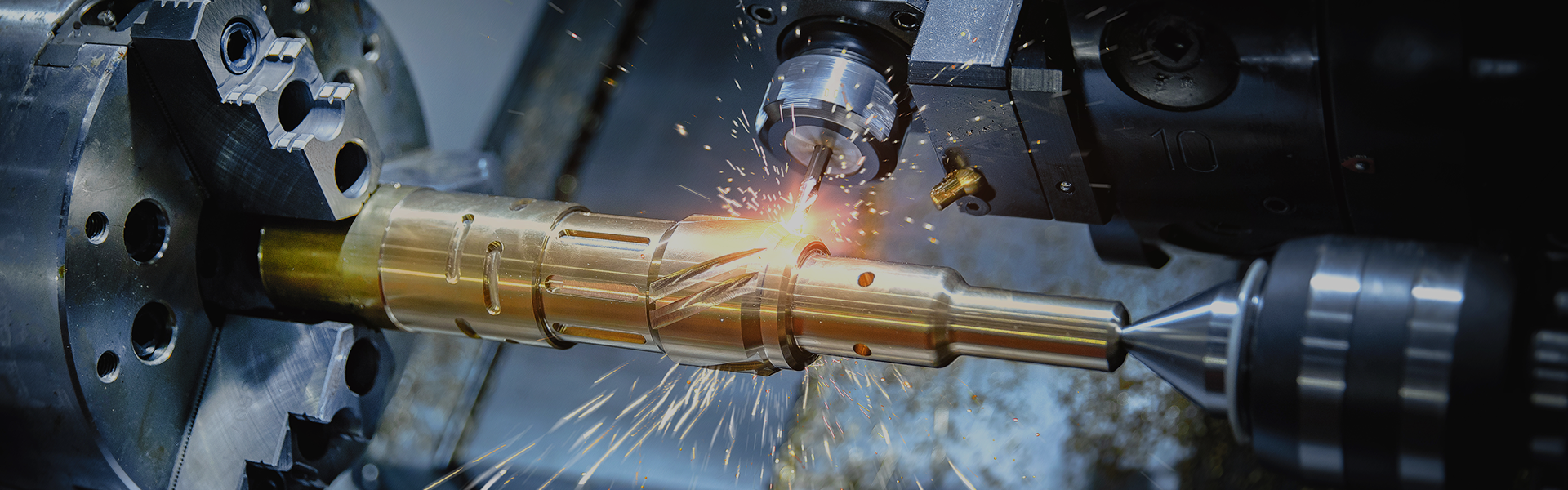
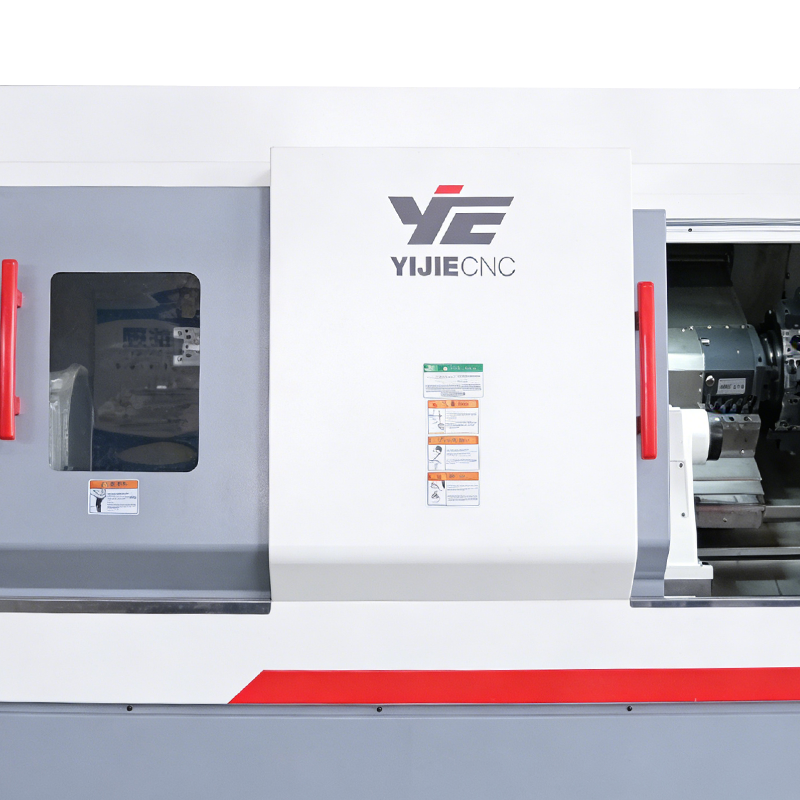
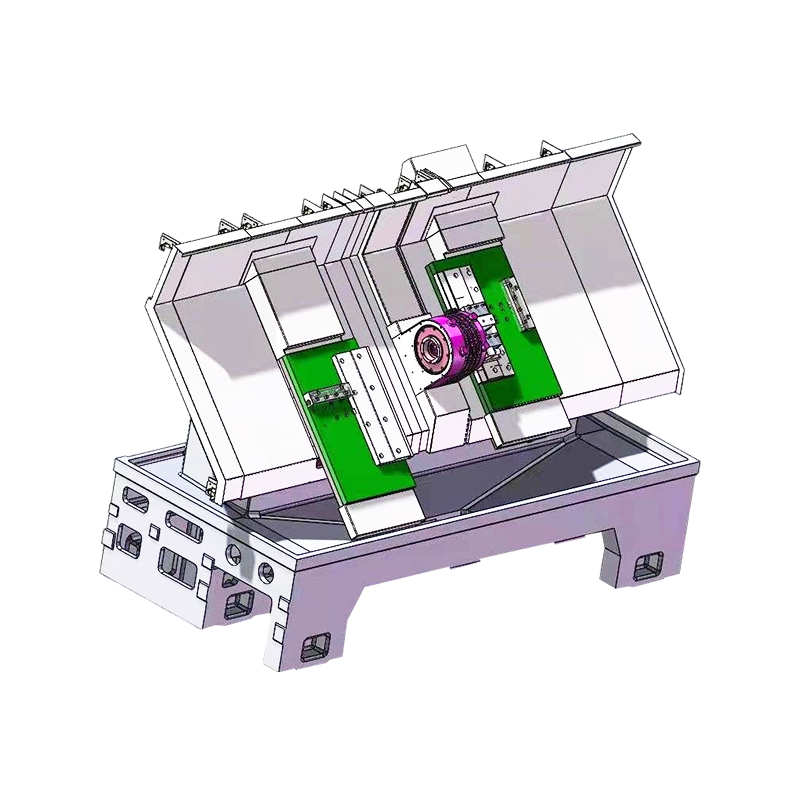
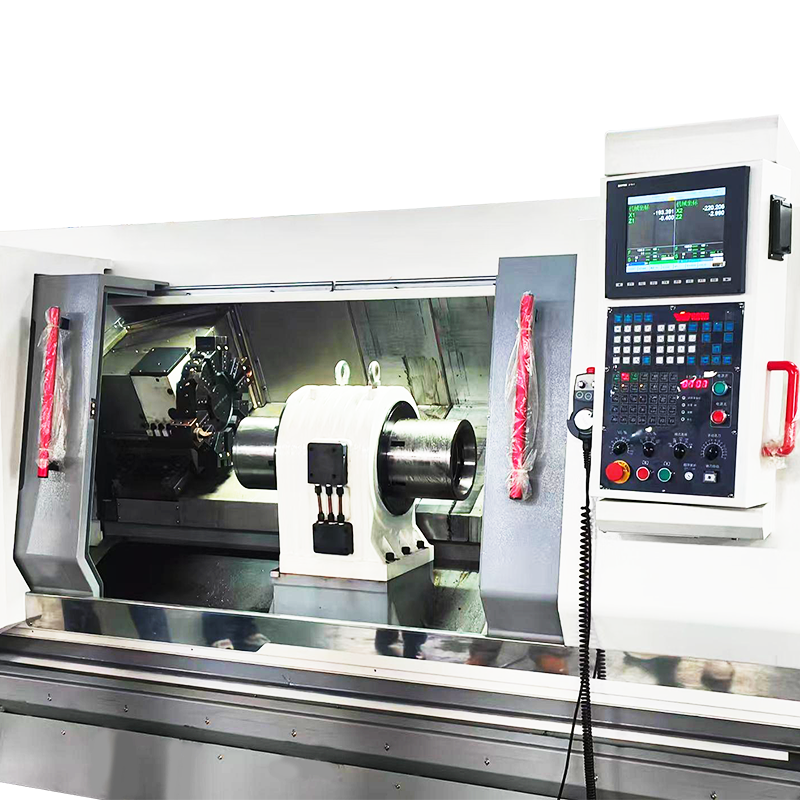
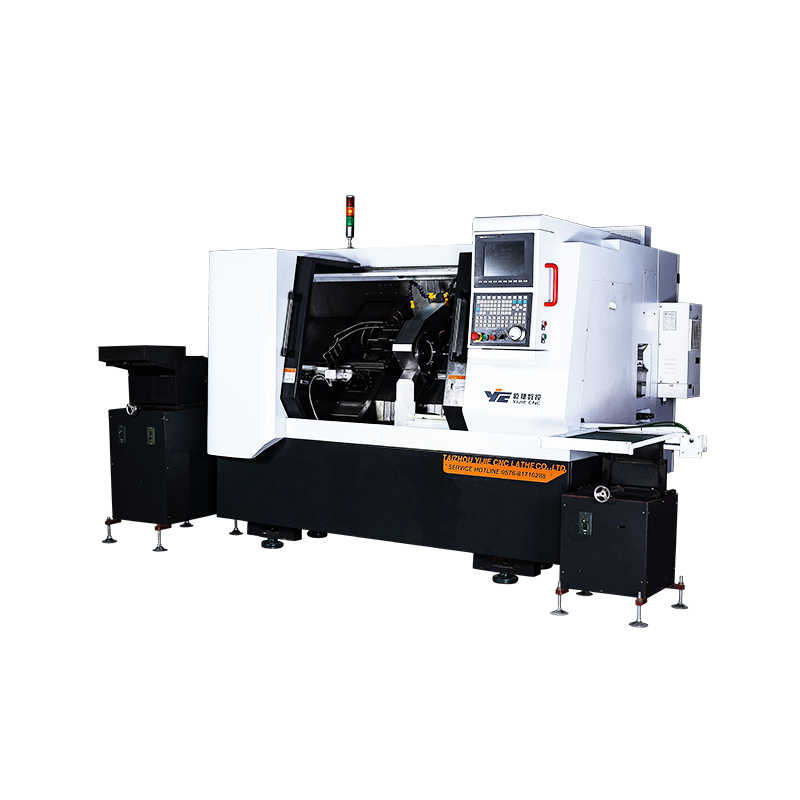
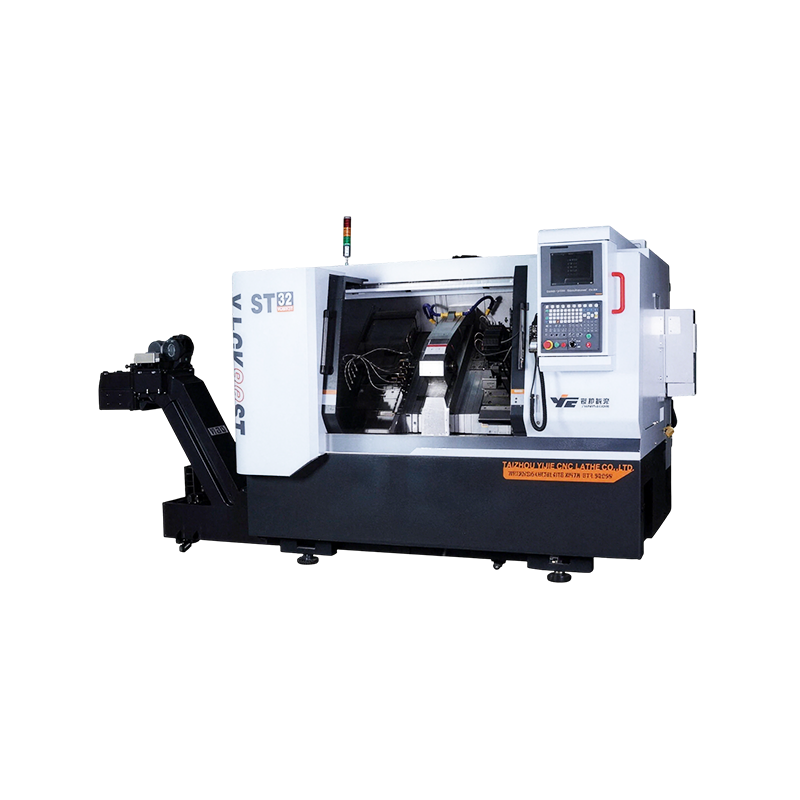
IoT-Enabled Smart CNC Equipment is a CNC machine connected to a digital network so that production data can be collected, monitored, and managed. In simple terms, an Intelligent CNC Lathe performs normal turning work while also sending useful machine information to a connected system.
Depending on the configuration, data may include machine status, operating time, production counts, alarms, spindle conditions, and other selected operating information. This allows manufacturers and production managers to understand equipment conditions without checking every machine manually.
Specific Applications
IoT-enabled CNC equipment is suitable for factories producing automotive parts, machinery components, hydraulic parts, precision shafts, fittings, and other repeated metal components.
Typical applications include:
- Automotive machining: shafts, hubs, sleeves, pins, transmission parts, and other turned components
- Hydraulic manufacturing: valve parts, pistons, fittings, connectors, sleeves, and cylinder components
- Precision component production: shafts, bushings, pins, bearing-related parts, and small cylindrical components
- Industrial machinery: flanges, couplings, rollers, adapters, housings, and rotating components
- Batch production: monitoring repeated CNC turning operations across several machines
- Multi-machine workshops: collecting operating information from different CNC machines through one connected system
For example, a factory operating several CNC lathes may use connected equipment to monitor machine status and production counts. If a machine generates an alarm, the relevant information can be transmitted to the designated monitoring system, depending on the IoT architecture.
Core Functions
An Intelligent CNC Lathe can provide standard turning functions such as external turning, internal turning, facing, boring, grooving, drilling, chamfering, and threading.
IoT functions may include machine status monitoring, production data collection, alarm reporting, operating-time tracking, equipment connectivity, remote data access, and production information management.
Customers should check CNC control compatibility, communication protocols, data types, network architecture, cybersecurity requirements, monitoring software, data storage, and integration with existing factory systems.
Why Is It Purchased?
Private Brand: Machinery distributors can introduce smart CNC equipment under their own brand through OEM/ODM cooperation. Custom options may include machine appearance, branding, control interfaces, documentation, packaging, and selected IoT functions.
Bulk Supply: Equipment distributors can supply connected CNC machines to manufacturers seeking improved production visibility across multiple machines or production lines.
Cost Optimization: Manufacturers may consider IoT-enabled equipment when manual data collection, unexpected downtime, limited machine visibility, or inefficient production reporting creates additional operating costs. Connected data can help management identify equipment usage and recurring production issues.
What Customer Problems Can It Solve?
Are production managers relying on manual machine checks? Is it difficult to know which machines are operating, idle, or generating alarms? Does manual production reporting consume operator time? Are equipment problems discovered only after they affect production?
A suitable IoT-enabled CNC system can provide centralized machine information and support faster production monitoring.
OEM/ODM Support
OEM/ODM cooperation may include CNC system selection, IoT modules, communication interfaces, monitoring software, data functions, machine appearance, branding, packaging, technical documentation, and integration requirements.
When evaluating an Intelligent CNC Lathe Maker, customers should examine CNC engineering capability, IoT integration experience, data security, machine testing, quality inspection, software support, spare-parts availability, technical documentation, and after-sales service.
The equipment should be configured according to the target industry's machining requirements, factory network environment, production volume, data needs, and existing management systems. This helps customers determine whether the smart CNC solution fits market demand and whether the supplier can support long-term private-label, distribution, and OEM/ODM projects.

 English
 中文简体
 русский