Supporting Multi-Stage Turning Processes: The Role of Twin-Spindle Turning Centers in Production
What Is a Twin-Spindle Turning Center?
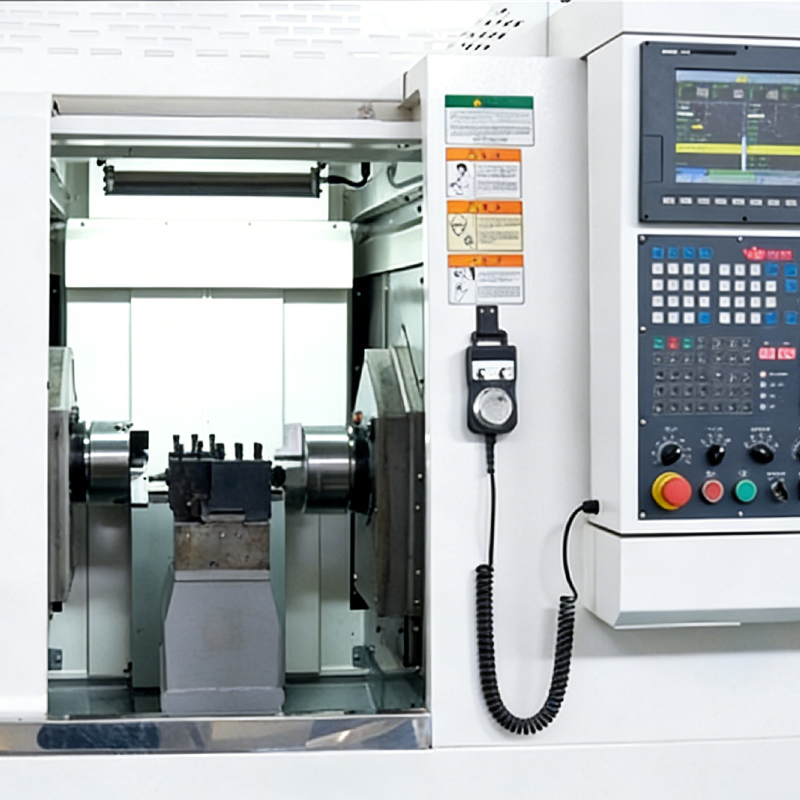
A Twin-Spindle Turning Center is a CNC machine with two spindle systems for machining metal parts. In simple terms, one spindle holds and rotates a workpiece, while the second spindle can hold another workpiece or take over the part for additional machining, depending on the machine design.
This setup is useful when a component needs operations on different ends or several machining stages. Instead of removing a workpiece and setting it up again on another machine, suitable processes can be arranged within one CNC machining system.
Specific Applications
Twin-Spindle CNC Machines are used in automotive, machinery, hydraulic, pneumatic, agricultural equipment, and general industrial manufacturing.
Typical applications include:
- Automotive components: shafts, hubs, axle parts, transmission components, sleeves, pins, and rotating parts
- Hydraulic and pneumatic parts: valve components, fittings, connectors, pistons, sleeves, and cylindrical housings
- Machinery components: shafts, bushings, rollers, flanges, bearing seats, couplings, and threaded parts
- Agricultural machinery: drive shafts, hubs, pins, bushings, and connecting components
- Industrial products: adapters, rings, pulleys, housings, and cylindrical fittings
- Batch production: repeated machining of standardized parts with several turning operations
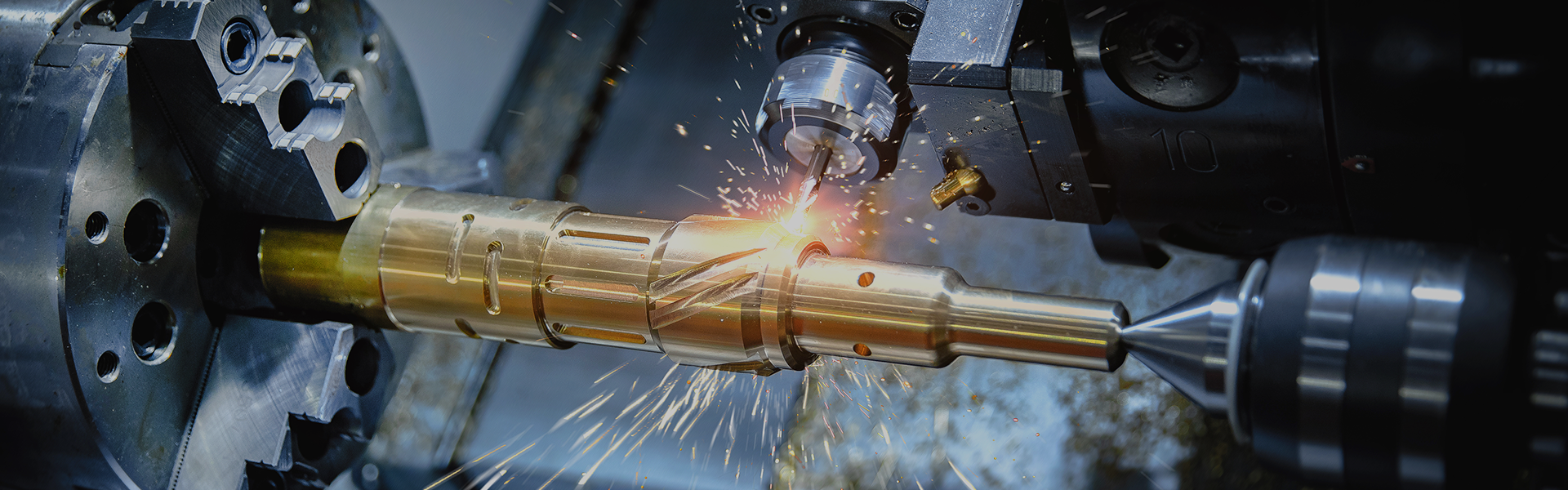
For example, a shaft may require external turning, facing, drilling, grooving, and threading on both ends. A suitable twin-spindle configuration can transfer or reposition the workpiece between machining stages with less manual handling.
Core Functions
Depending on the configuration, a Dual-Spindle CNC Machine can perform external turning, internal turning, facing, boring, drilling, grooving, chamfering, threading, and other CNC turning operations.
Customers should compare spindle specifications, turning diameter, workpiece length, spindle speed and power, chuck configuration, tool capacity, CNC control, positioning accuracy, repeatability, and automation compatibility.
The right configuration depends on the actual workpiece material, dimensions, tolerance requirements, machining sequence, and production volume.
Why Do Customers Purchase It?
Private Brand: Machinery distributors can develop a twin-spindle CNC machine range under their own brand through OEM cooperation. Options may include machine appearance, nameplates, labels, manuals, packaging, and selected technical configurations.
Bulk Retail Supply: Industrial machinery dealers can purchase machines in batches for workshops and manufacturers. Different configurations can help address different customer applications.
Cost Optimization: Manufacturers may consider a Twin-Spindle Turning Center when repeated loading, unloading, workpiece repositioning, multiple machining setups, or outsourced operations increase production costs. A suitable dual-spindle system can help connect several machining stages within one production workflow.
What Customer Problems Can It Solve?
Customers should examine their existing machining process. Do parts need machining on both ends? Are operators spending significant time removing and repositioning workpieces? Does repeated setup affect production consistency? Are outsourced operations increasing delivery time?
If these issues occur frequently, a Twin-Spindle Turning Center may help reduce workpiece handling and organize repeated turning operations more efficiently.
For manufacturers producing shafts, hubs, sleeves, pins, flanges, and other cylindrical components, a suitable machine can support a more organized machining process and reduce repeated setup work.
The two-spindle arrangement can also help organize machining tasks when a component requires operations on different sections. The actual result depends on spindle arrangement, workholding, tooling, cutting conditions, and the selected machine configuration.
OEM/ODM Support
OEM/ODM cooperation may include CNC control selection, spindle configuration, chuck systems, tooling, machine appearance, branding, labels, packaging, technical documentation, and application-specific adjustments.
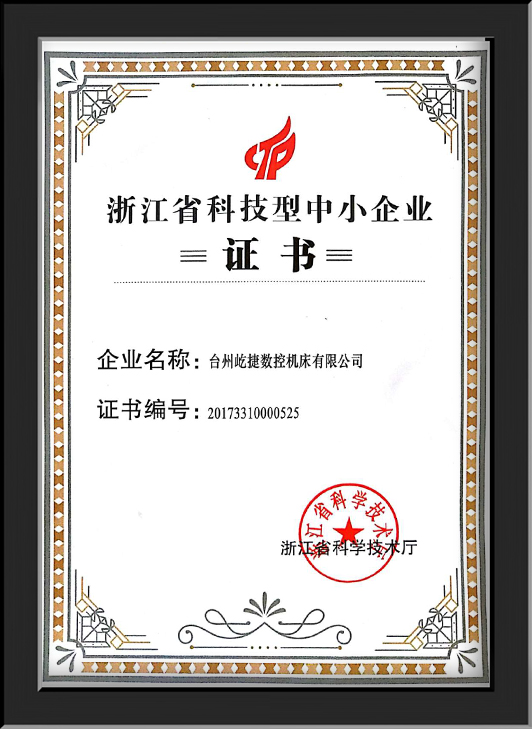
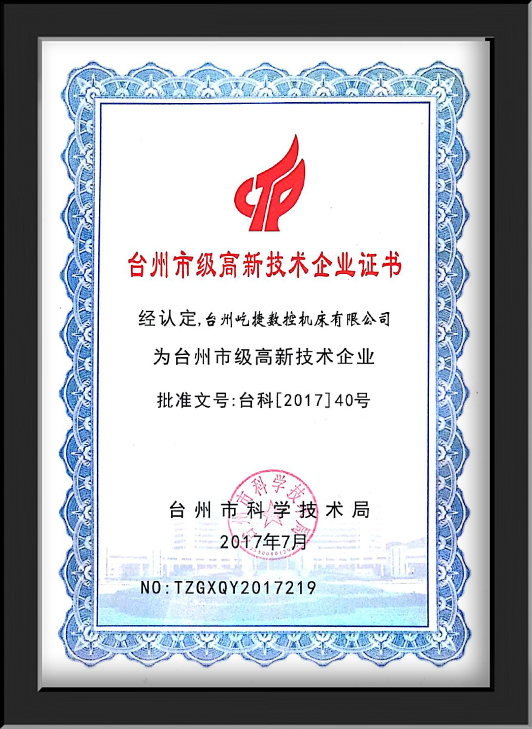
When evaluating a CNC Lathe Factory in China, customers should examine engineering communication, manufacturing and assembly capability, machine testing, quality inspection, spare-parts availability, technical support, packaging, and after-sales service.
Customers can also review sample machining, workholding methods, tooling arrangements, inspection procedures, and production testing before confirming a larger order.
A suitable factory should understand the customer's workpiece dimensions, material, machining process, production volume, and target application before recommending a machine configuration. This helps customers determine whether the Dual-Spindle CNC Machine matches actual production requirements and whether the supplier can support long-term cooperation.

 English
 中文简体
中文简体 русский