Supporting Large-Part Machining: The Role of Heavy-Duty Milling and Boring Machines
What Is a CNC Heavy-Duty Milling and Boring Machine?
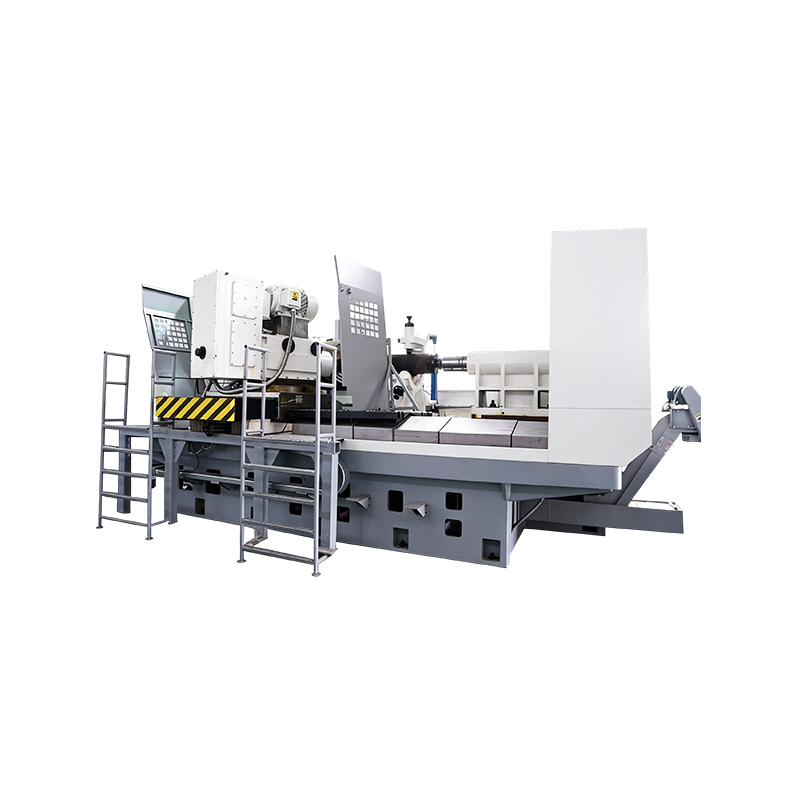
A CNC Heavy-Duty Milling and Boring Machine is an industrial machine tool designed to process large and heavy metal components. In simple terms, it uses computer-controlled cutting tools to create holes, flat surfaces, slots, mounting areas, and other features on large workpieces.
The milling function removes material from surfaces, while boring is mainly used to enlarge and finish existing holes with controlled dimensions. The heavy-duty structure is intended for demanding machining tasks involving large workpieces and substantial cutting loads.
Specific Applications
This CNC Machining Center is suitable for manufacturers working with construction machinery, mining equipment, energy equipment, transportation equipment, industrial machinery, and large mechanical components.
Typical applications include:
- Construction machinery: excavator bodies, machine bases, hydraulic components, large brackets, and structural parts
- Mining equipment: gear housings, bearing seats, frames, support components, and heavy castings
- Energy equipment: turbine housings, pump bodies, valve bodies, generator components, and large flanges
- Industrial machinery: machine bases, housings, support structures, plates, and large castings
- Transportation equipment: axle housings, wheel-related components, frames, and large mechanical parts
- General engineering: welded structures, molds, large plates, and components requiring deep or accurately positioned holes
For example, a large equipment housing may require several mounting holes, bearing bores, flat surfaces, and connection slots. A suitable CNC milling and boring machine can complete these operations after the workpiece has been accurately positioned.
Core Functions
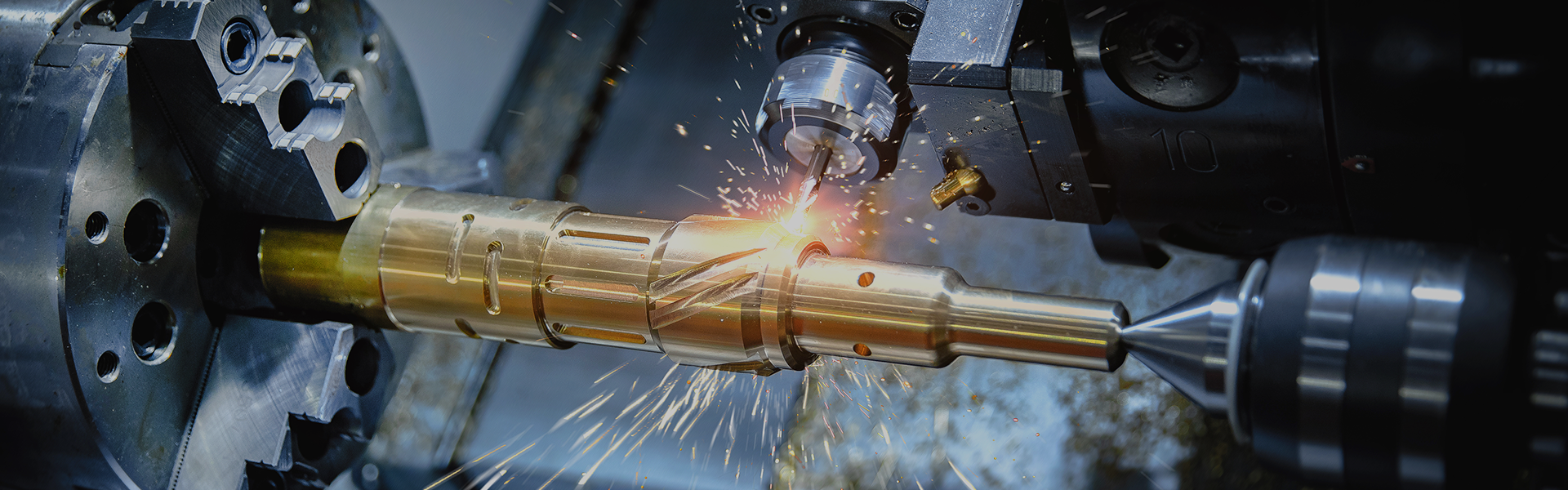
Depending on the configuration, the machine can perform milling, boring, drilling, tapping, facing, slotting, and related machining operations.
Important specifications include table size, allowable workpiece weight, X/Y/Z travel, spindle diameter, spindle power and speed, boring range, tool capacity, CNC control system, positioning accuracy, workholding method, and automation options.
Machine selection should be based on the actual workpiece size, weight, material, hole diameter, machining depth, tolerance, and production volume.
Why Is It Purchased?
Private Brand: Machinery distributors can develop a heavy-duty machining equipment range under their own brand through OEM cooperation. Available options may include machine appearance, nameplates, labels, manuals, packaging, and selected configurations.
Bulk Supply: Equipment distributors can supply different machine configurations to manufacturers handling large metal components. Machine capacity can be matched to specific industries and machining requirements.
Cost Optimization: Manufacturers may consider this equipment when outsourcing large-part machining, transferring heavy workpieces between machines, or using several setups increases labor and scheduling costs. A suitable machining center can combine related milling and boring operations within one production process.
What Customer Problems Can It Solve?
Does the target market regularly process large and heavy workpieces? Are existing machines limited by table size, spindle capacity, machining travel, or boring capability? Does outsourcing large-part machining extend delivery schedules? Are repeated setups affecting positioning consistency?
For manufacturers facing these issues, a suitable CNC Heavy-Duty Milling and Boring Machine can provide greater machining capacity while reducing unnecessary workpiece transfers.
OEM/ODM Support
OEM/ODM cooperation may include machine dimensions, table configuration, spindle specifications, CNC control selection, tooling, workholding systems, machine appearance, branding, packaging, technical documentation, and application-specific modifications.
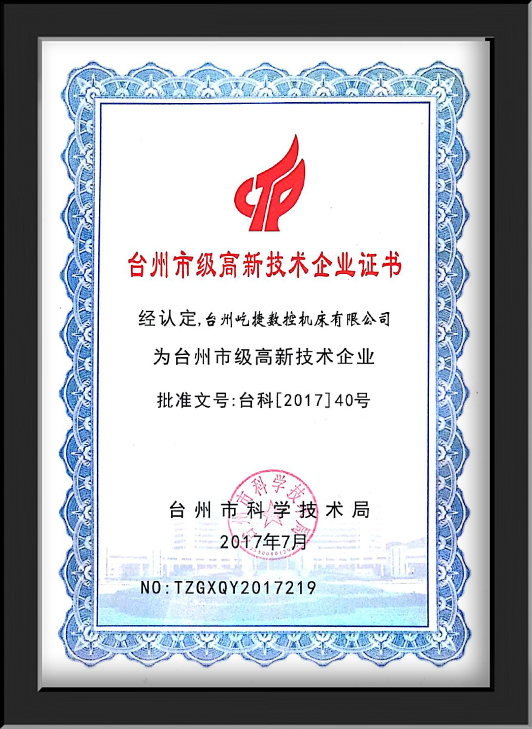
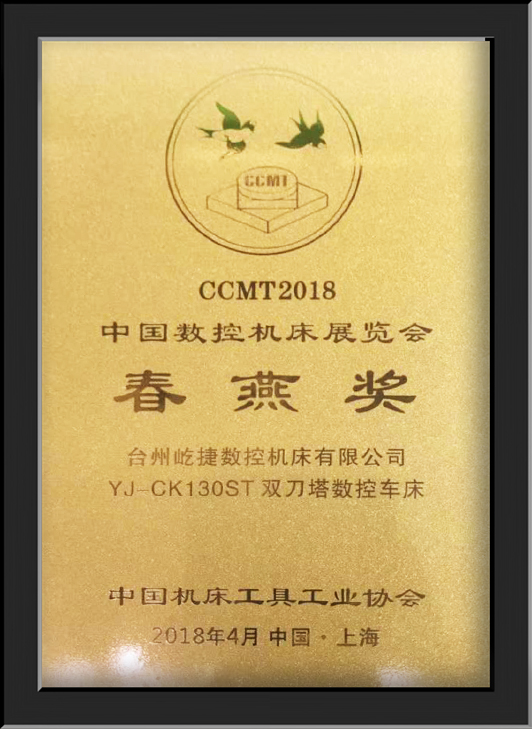
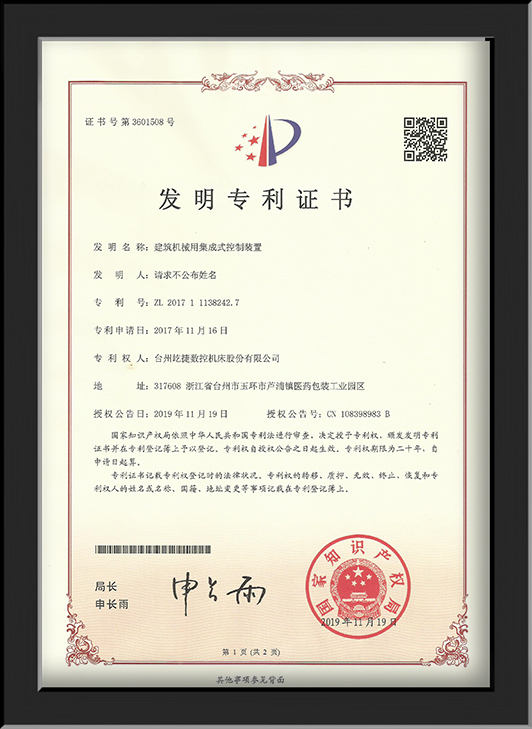
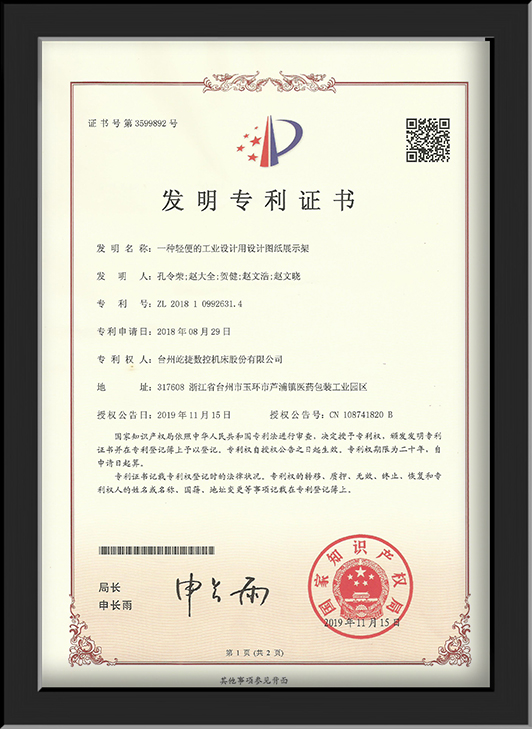
When evaluating a CNC Machining Center manufacturer, customers should examine engineering capability, production and assembly capacity, machine testing, quality inspection, spare-parts availability, installation support, technical documentation, packaging, and after-sales service.
The machine should be recommended according to the actual workpiece drawings, dimensions, weight, material, machining operations, tolerance, and production volume. This helps customers judge whether the equipment has suitable market applications and whether the manufacturer can support long-term private-label, distribution, and OEM/ODM cooperation.

 English
 中文简体
中文简体 русский