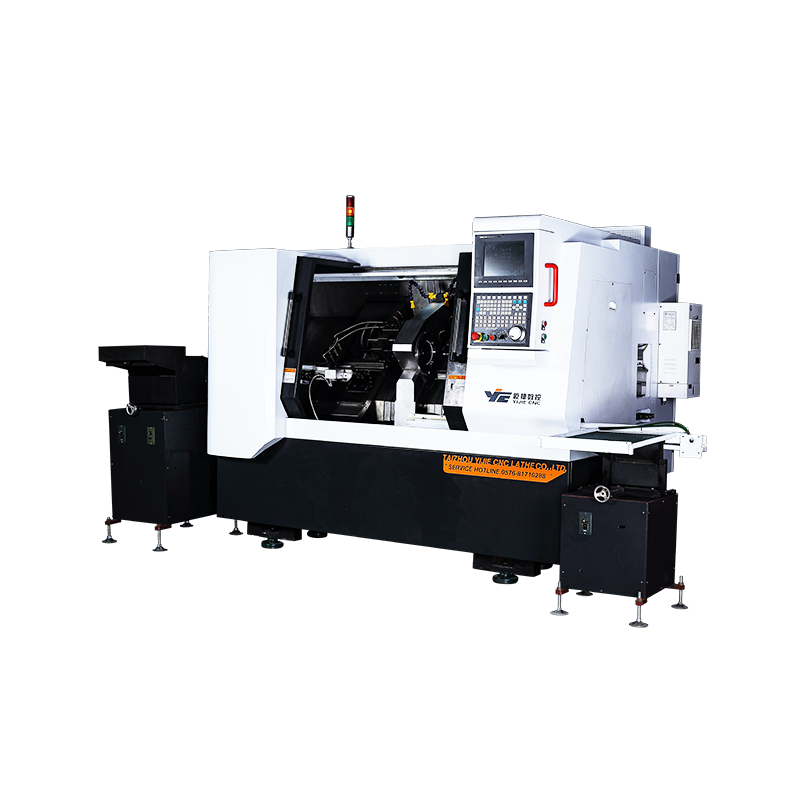
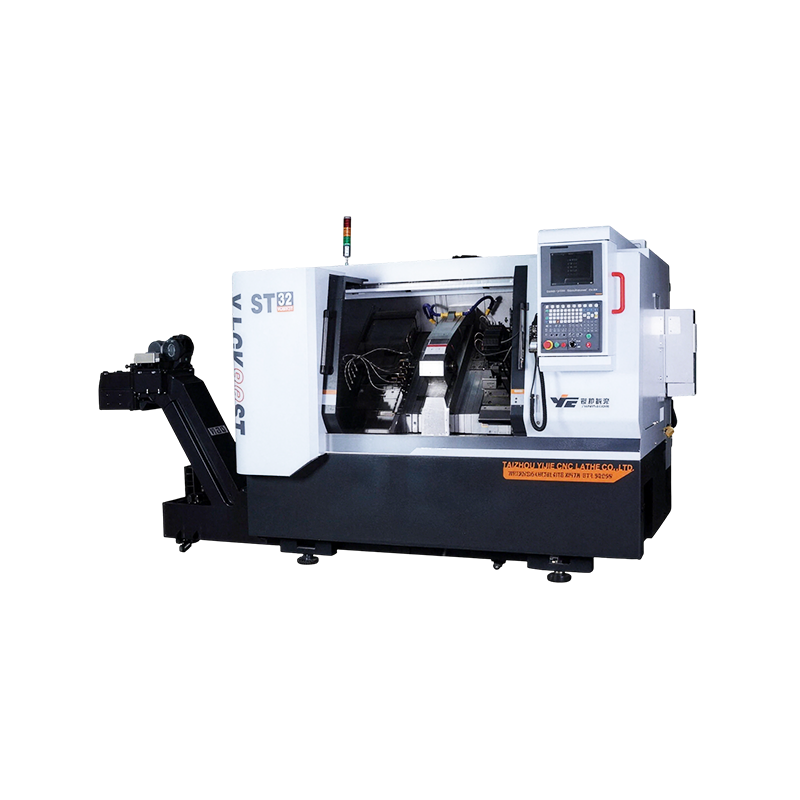
Large Roll Shaft Center-Drive CNC Double-Head Lathe for Heavy Roll Machining
What Is a Large Roll Shaft Center-Drive CNC Double-Head Lathe?
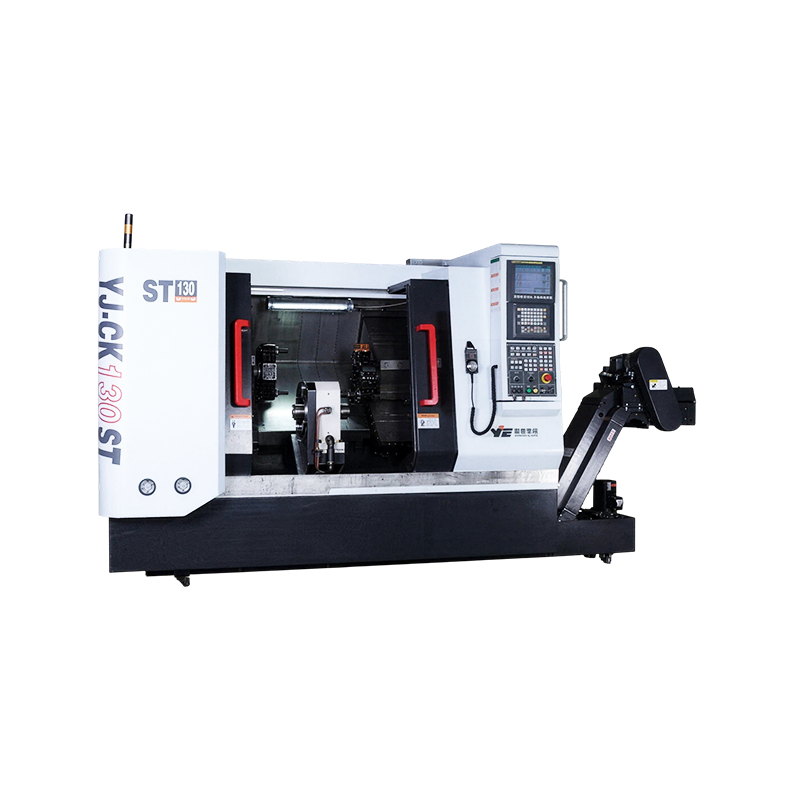
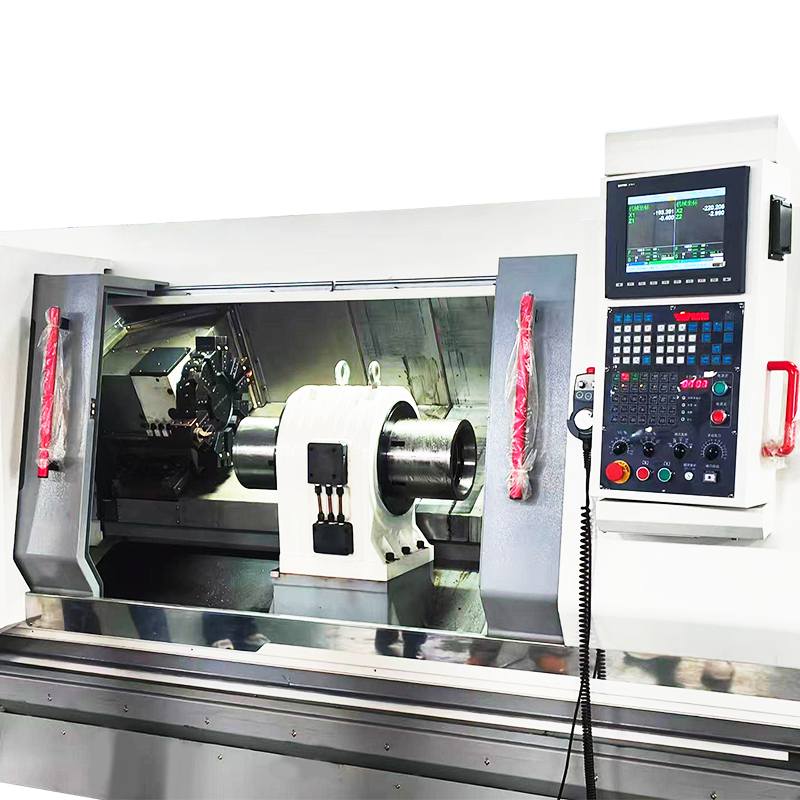
A Large Roll Shaft Center-Drive CNC Double-Head Lathe is a CNC machine designed to machine long and heavy roll shafts and similar cylindrical components. In simple terms, it holds a large workpiece around its central area and uses CNC-controlled cutting tools to machine the shaft surface, ends, grooves, threads, and other required features.
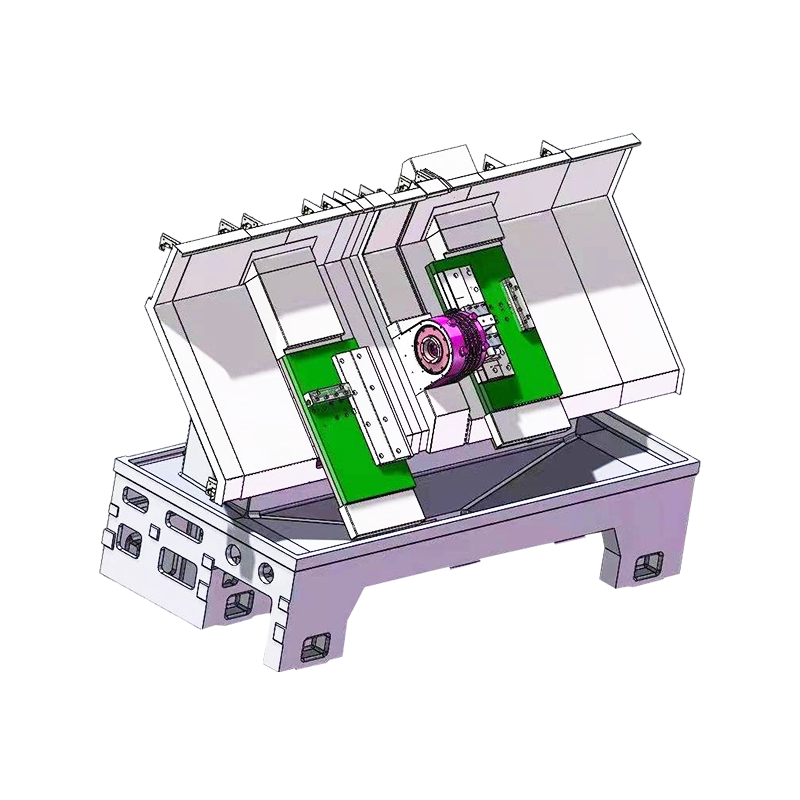
The center-drive structure helps provide a suitable workholding and driving method for long workpieces, while the double-head configuration allows machining operations to be arranged from two working ends. The actual setup depends on the shaft dimensions and production process.
Specific Applications
This machine is suitable for manufacturers producing large shafts, rollers, and cylindrical components for steel, paper, printing, mining, construction, energy, and heavy machinery industries.
Typical applications include:
- Steel mill rolls: machining roll shafts, journals, bearing areas, and end sections
- Paper mill rolls: processing large cylindrical roll shafts and mounting areas
- Printing equipment rolls: machining roller shafts, end faces, and connection sections
- Mining equipment: machining large shafts, rollers, sleeves, and rotating components
- Construction machinery: processing heavy shafts, pins, hubs, and cylindrical parts
- Energy equipment: machining large rotating components and shaft-related parts
- Heavy machinery: producing long shafts requiring turning, facing, grooving, boring, or threading
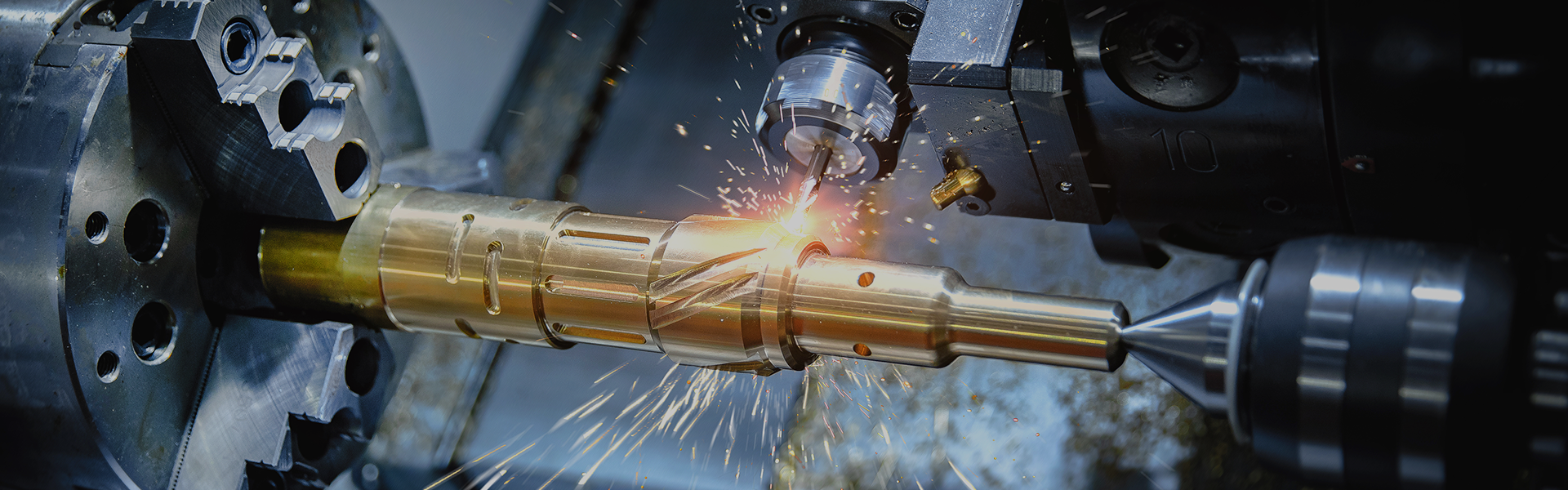
For example, a large roll shaft may require external diameter turning, journal machining, end-face cutting, grooving, threading, and bearing-seat preparation. A suitable center-drive CNC machine can arrange these operations according to the workpiece drawing.
Core Functions
Depending on the configuration, the machine can perform external turning, internal turning, facing, boring, grooving, threading, chamfering, and other CNC turning operations.
For large roll shaft production, important specifications include workpiece diameter and length range, allowable workpiece weight, center-drive capacity, spindle power and speed, chuck or clamping system, tool capacity, CNC control, machining travel, positioning accuracy, repeatability, and workpiece support.
Customers should also consider steady rests, hydraulic clamping, chip removal, coolant management, loading methods, and factory floor requirements for long and heavy workpieces.
Why Is It Purchased?
Private Brand: Machinery distributors can introduce this Large Roll Shaft CNC Lathe under their own brand through OEM/ODM cooperation. Custom options may include machine appearance, nameplates, labels, manuals, packaging, and selected configurations.
Bulk Supply: Equipment distributors can supply the machine to steel, paper, printing, mining, and heavy machinery manufacturers with recurring large-shaft machining requirements.
Cost Optimization: Manufacturers may consider center-drive equipment when repeated repositioning, manual support, outsourced machining, or multiple setups increase labor and production costs. A suitable CNC solution can help organize several machining operations within one process.
What Customer Problems Can It Solve?
Does the target market regularly process long and heavy shafts? Are conventional machines difficult to use for large workpieces because of workholding or support requirements? Are operators spending significant time repositioning shafts? Does outsourced large-shaft machining affect production schedules?
A suitable Large Roll Shaft Center-Drive CNC Double-Head Lathe can provide a machining solution designed around long, heavy cylindrical components while reducing unnecessary handling between operations.
OEM/ODM Support
OEM/ODM cooperation may include center-drive configuration, clamping systems, spindle specifications, tool systems, steady rests, hydraulic or pneumatic equipment, CNC control selection, automation solutions, machine appearance, branding, packaging, and technical documentation.
When evaluating a factory, customers should examine experience with large and heavy workpieces, engineering capability, machine assembly, load testing, dimensional inspection, spare-parts availability, installation support, and after-sales service.
The machine should be configured according to actual shaft drawings, diameter, length, weight, material, machining operations, tolerance, production volume, and factory layout. This helps customers determine whether the equipment fits their target market and whether the factory can support long-term private-label, distribution, and OEM/ODM cooperation.

 English
 中文简体
中文简体 русский