Managing Hardened Metal Components: The Role of CNC Hard Turning Lathes
What Is a CNC Hard Turning Lathe?
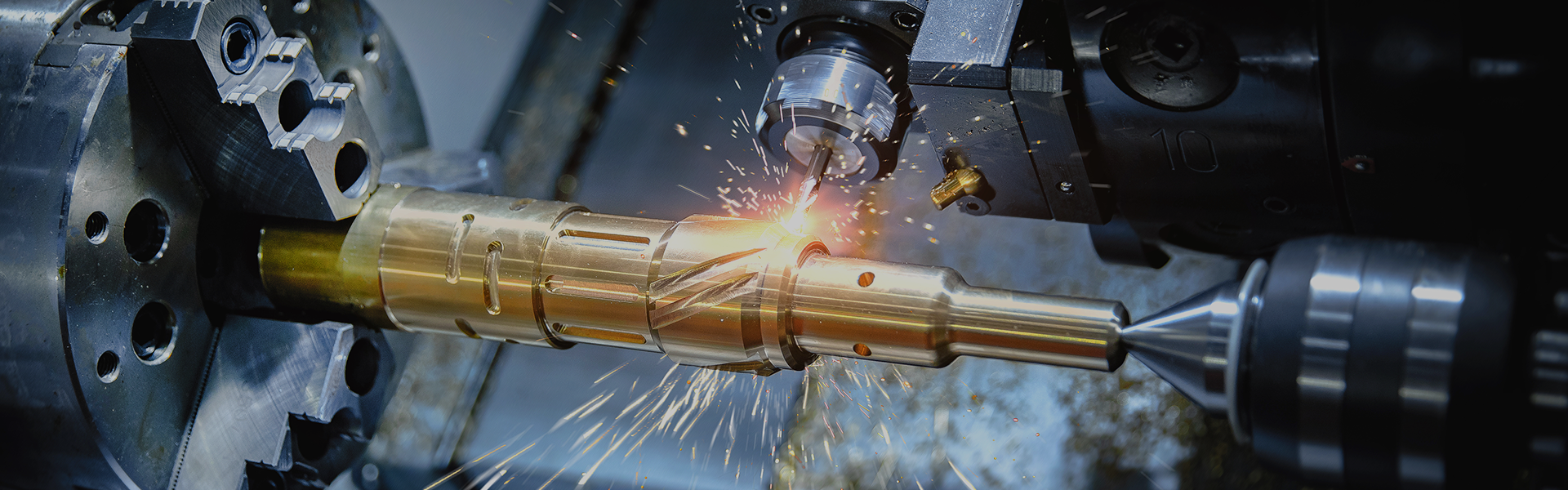
A CNC Hard Turning Lathe is a computer-controlled machine designed to turn hardened metal parts. In simple terms, it holds and rotates a hardened workpiece while a suitable cutting tool removes material to achieve the required diameter, length, groove, thread, or surface shape.
Hard turning is generally used after heat treatment, when the material has become harder than standard machining conditions. For suitable components, it can be used as a finishing process or as part of a combined machining route.
For buyers, the key consideration is whether the machine matches the required material hardness, tolerance, surface finish, workpiece size, and production volume.
Specific Applications
CNC Hard Turning Centers are commonly used in automotive, bearing, gear, machinery, tooling, hydraulic, and industrial component manufacturing.
Typical applications include:
- Bearing parts: inner rings, outer rings, bearing races, seats, and hardened cylindrical surfaces
- Automotive components: transmission parts, hubs, shafts, gears, sleeves, and other heat-treated components
- Gear manufacturing: gear rings, gear seats, shafts, and hardened supporting components
- Tooling: hardened bushings, dies, mold components, and wear-resistant parts
- Machinery: hardened rollers, pins, shafts, flanges, and precision cylindrical components
- Hydraulic equipment: hardened sleeves, valve components, and other wear-resistant parts
For example, after a steel shaft or bearing ring has been heat-treated, its diameter may need further finishing. A suitable hard turning process can remove a controlled amount of material and bring the component closer to its required final dimensions.
Core Functions
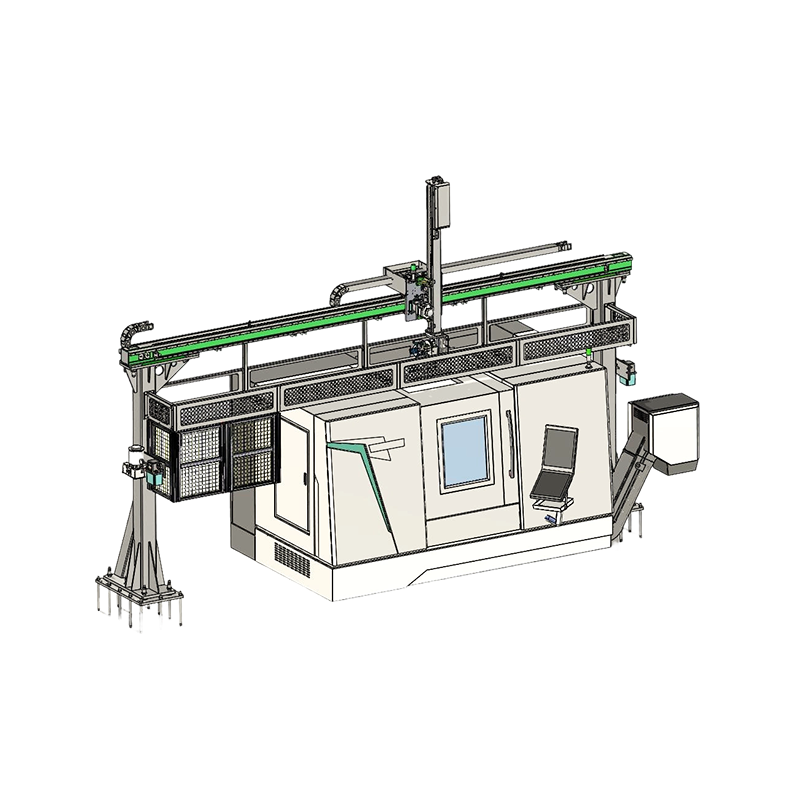
Depending on the configuration, a CNC Hard Turning Lathe can perform external turning, internal turning, facing, boring, grooving, chamfering, and other finishing operations.
Important specifications include machine rigidity, spindle performance, chucking system, turning diameter, workpiece length, CNC control, tool capacity, positioning accuracy, repeatability, vibration control, and chip removal.
Tool compatibility is also important because hardened materials require cutting tools designed for the material hardness and machining conditions.
Why Do Customers Purchase It?
Private Brand: Machinery distributors can add hard turning equipment to their own product range through OEM cooperation. Branding may include machine appearance, nameplates, labels, manuals, packaging, and selected configurations.
Bulk Retail Supply: Industrial machinery distributors can supply hard turning machines to automotive, bearing, gear, and machinery manufacturers. Different configurations allow products to match different workpiece and production requirements.
Cost Optimization: Manufacturers may consider hard turning when conventional finishing routes involve several machines, repeated workpiece transfers, or additional setup procedures. For suitable parts, hard turning can simplify selected finishing operations and support a more connected production process.
What Customer Problems Can It Solve?
Before purchasing, customers should consider whether their production involves hardened steel parts and whether existing processes create problems such as repeated handling, long machining cycles, outsourcing costs, or inconsistent finishing results.
Does the production line require accurate machining of hardened diameters, faces, grooves, or bores? Are heat-treated components being transferred between several machines? Could a dedicated hard turning process make production easier to manage?
These questions can help determine whether a CNC Hard Turning Center has practical value for the target market.
OEM/ODM Support
For private-label and distribution projects, OEM/ODM cooperation may cover CNC control selection, spindle and chuck configuration, tooling systems, machine appearance, branding, labels, packaging, technical documentation, and application-specific requirements.
A potential supplier should be evaluated through its engineering capability, production and assembly processes, quality inspection system, technical support, spare-parts availability, packaging, and after-sales service.
A suitable CNC Hard Turning Lathe should be selected according to the actual workpiece material, hardness, dimensions, tolerance, surface requirements, machining process, and production volume.

 English
 中文简体
中文简体 русский