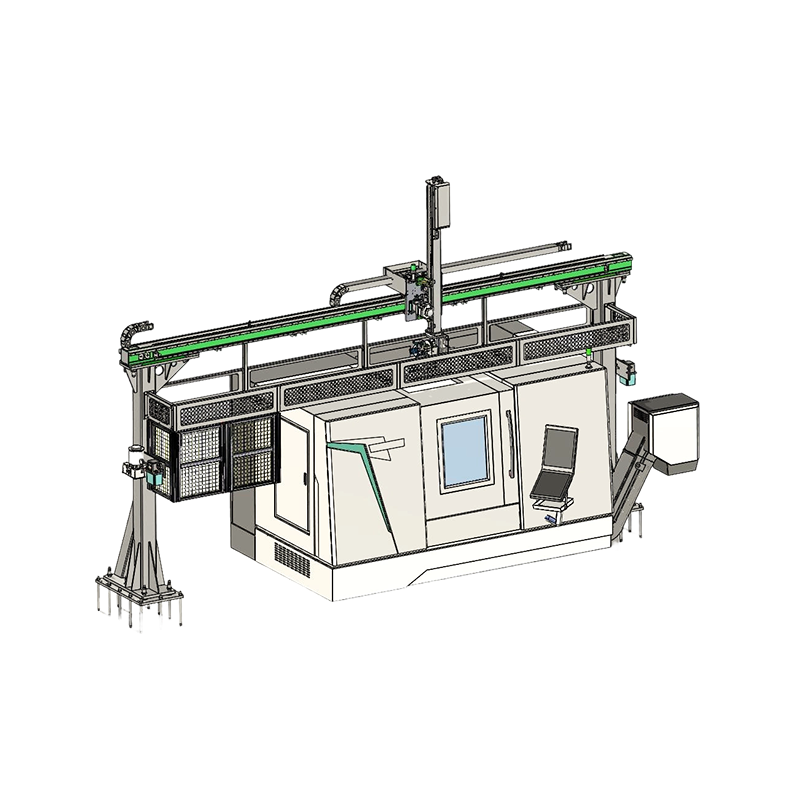
Manufacturing industries continue to search for machining equipment that can adapt to different production requirements. As component designs become more diverse, companies need turning solutions that can handle complex processing tasks while maintaining stable operation.
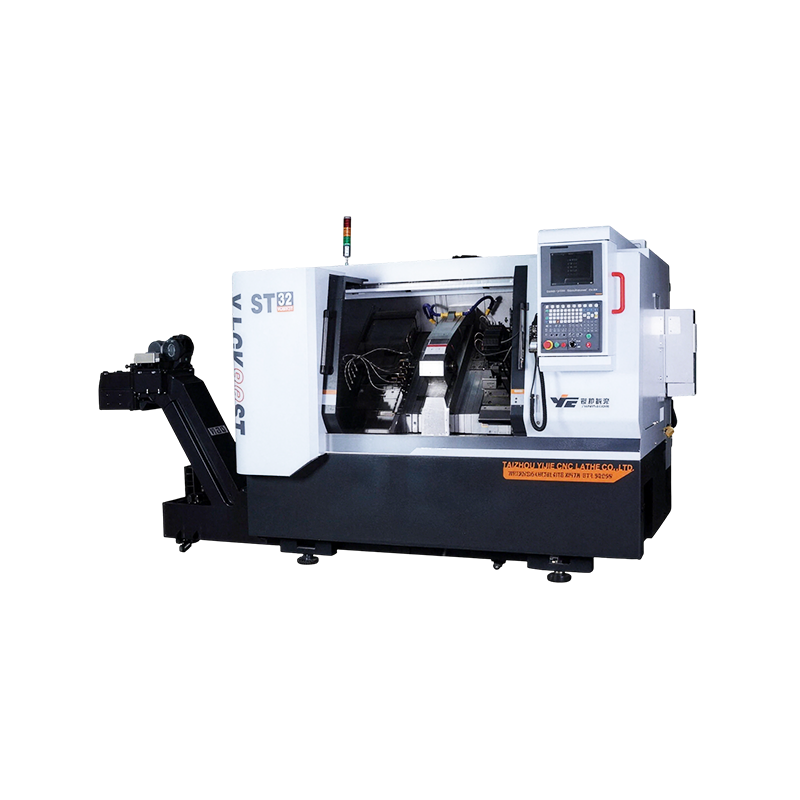
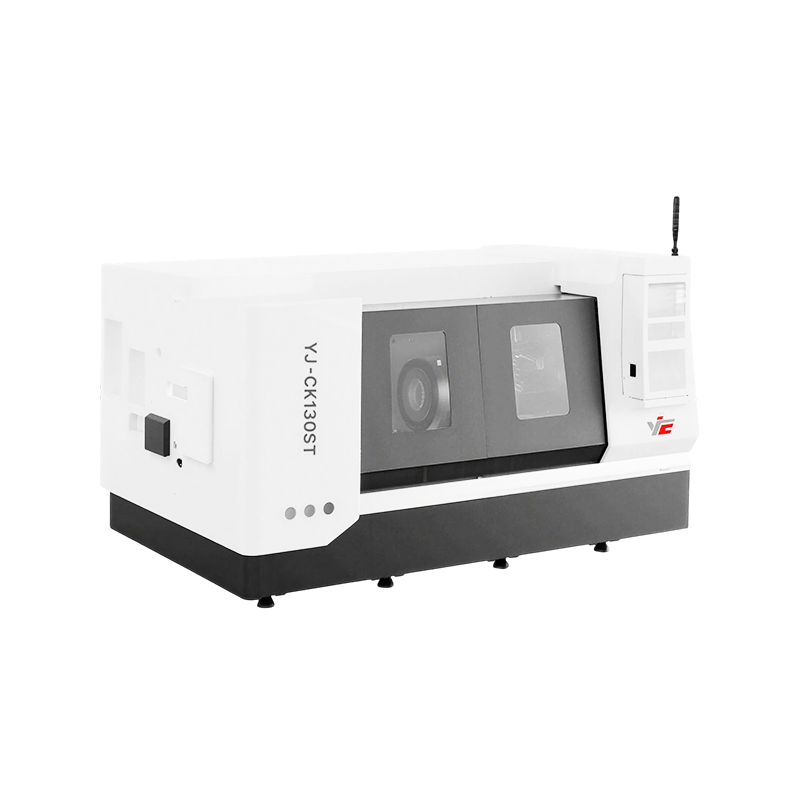
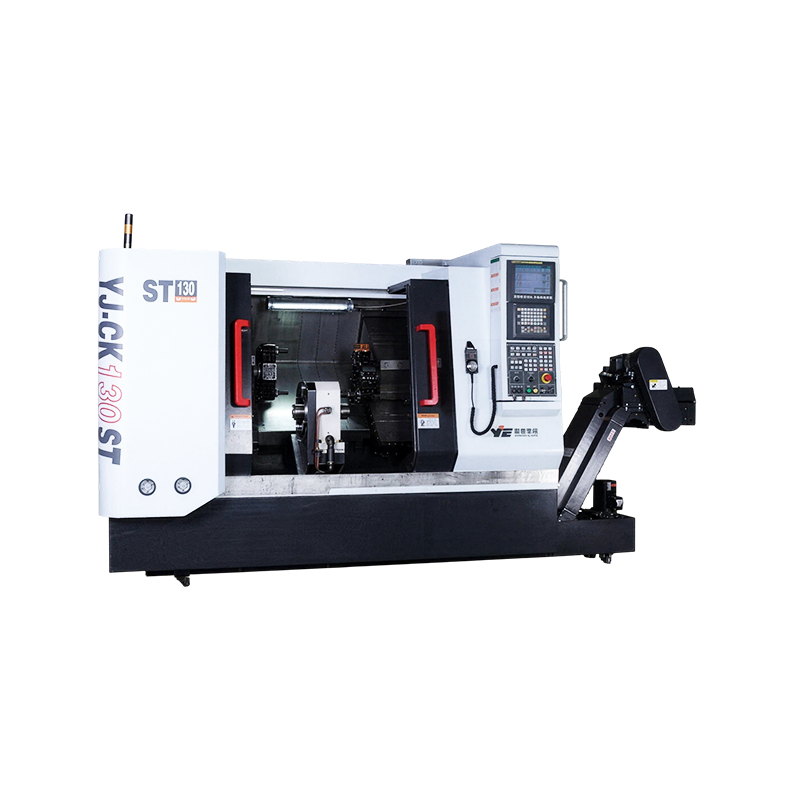
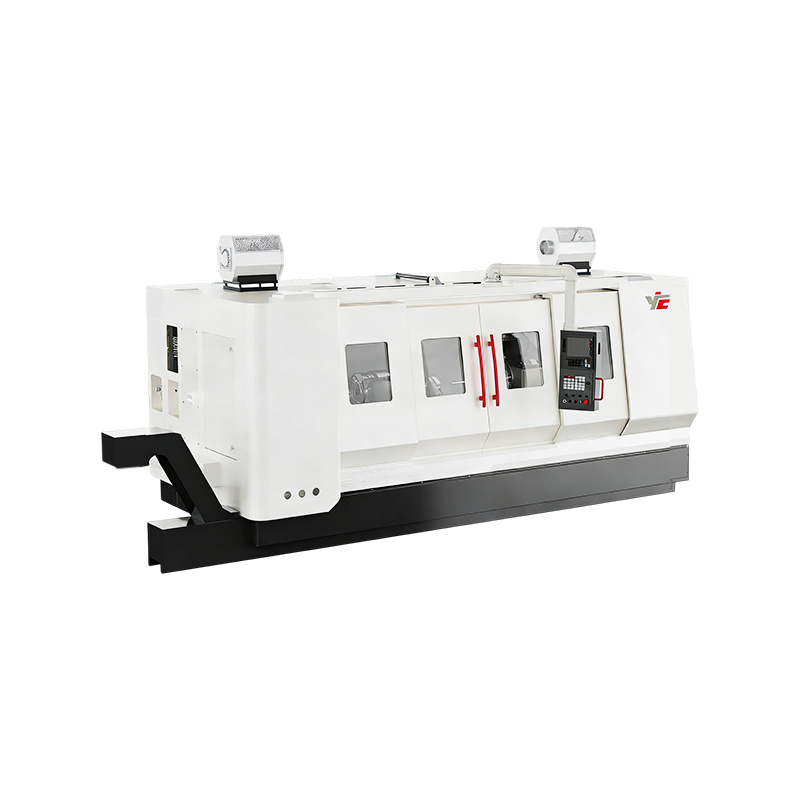
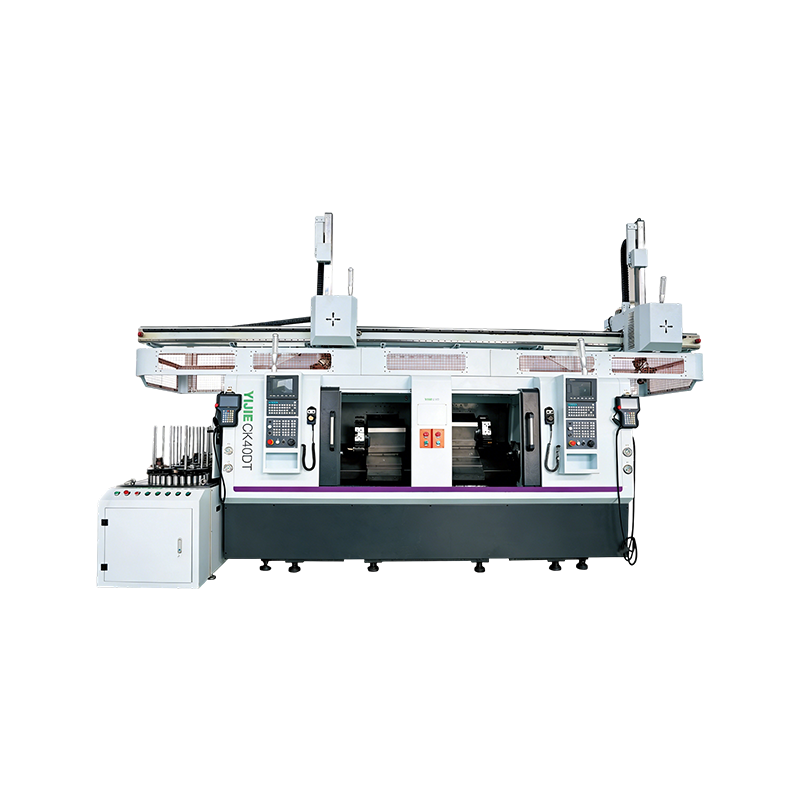
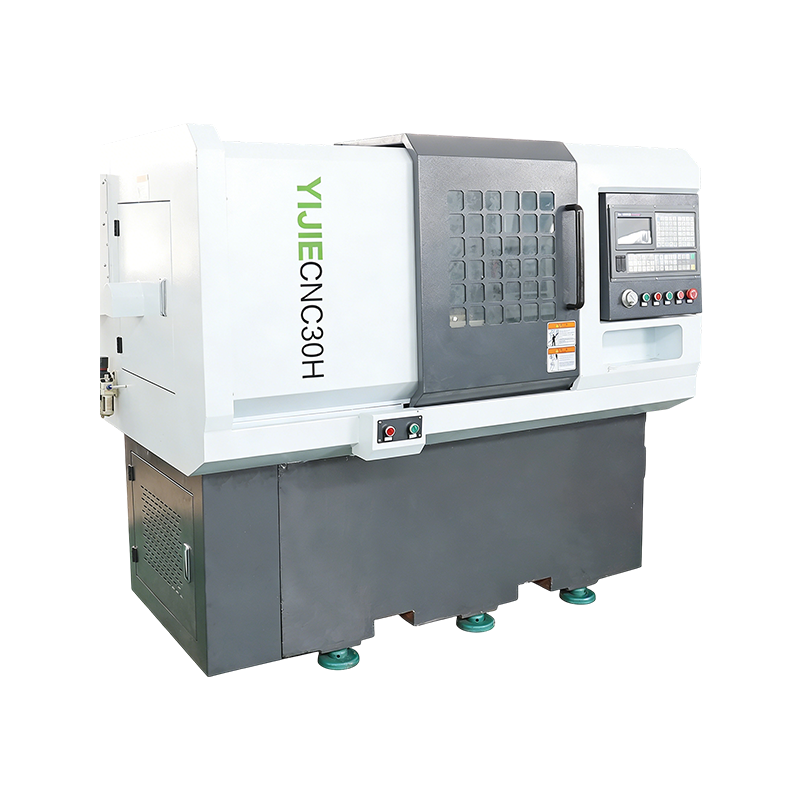
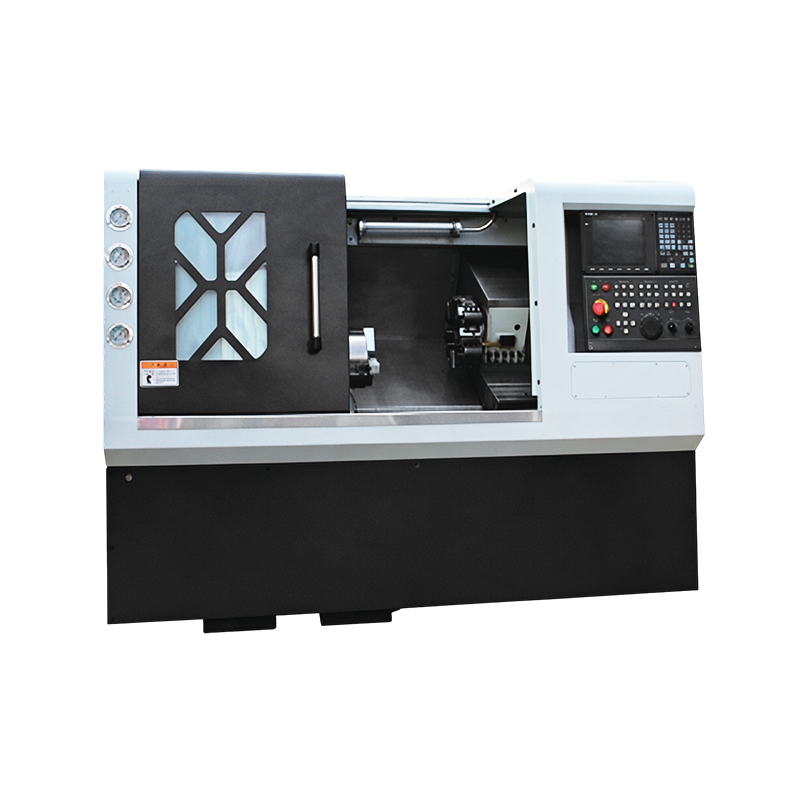
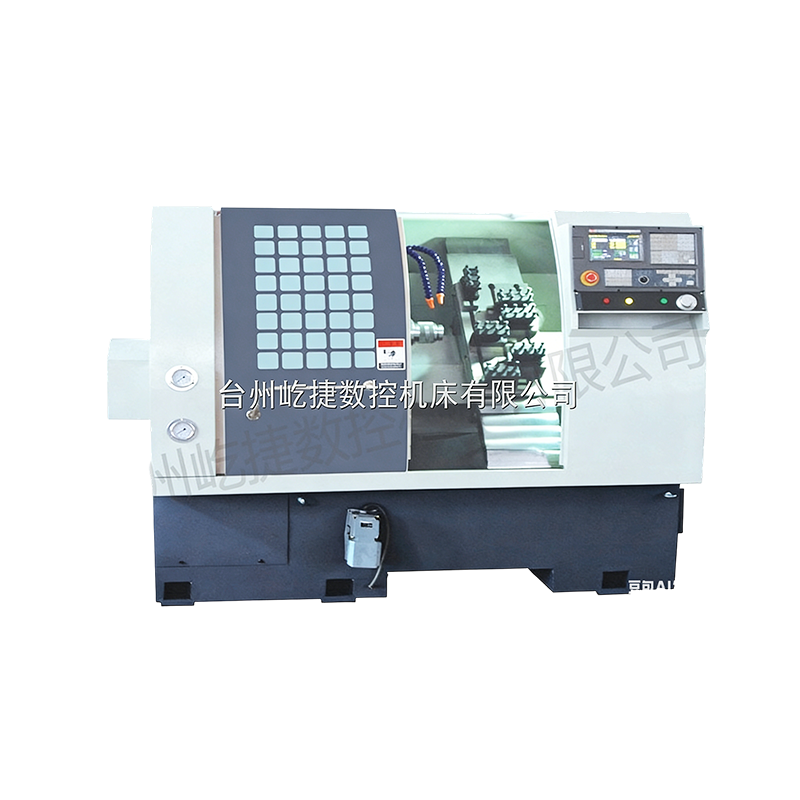
A Double-Spindle CNC Lathe provides a practical approach for manufacturers that require flexible turning processes. With a dual spindle structure, this type of CNC machine allows different machining procedures to be arranged within a coordinated system. It can support operations involving multiple surfaces, repeated components, and parts that require different turning steps.
By combining two spindle systems into a single machine platform, a Double-Spindle CNC Lathe helps manufacturers organize production procedures more efficiently and create a smoother machining workflow.
Understanding the Structure of Double-Spindle CNC Lathe
A Double-Spindle CNC Lathe is designed with two spindle units that work together through CNC control technology. Each spindle can participate in machining operations according to programmed instructions and production requirements.
The main components usually include:
- Dual spindle system
- CNC control unit
- Tool holding system
- Workpiece clamping structure
- Machine frame and motion components
The dual spindle arrangement allows manufacturers to plan machining processes according to different component designs. For parts that require processing from multiple directions, this machine structure provides more flexibility compared with conventional turning equipment.
The CNC system coordinates spindle movement, tool operation, and machining procedures, helping operators manage production tasks through programmed settings.
How Double-Spindle CNC Lathe Improves Machining Processes
In many production environments, machining efficiency is affected by repeated positioning, manual handling, and separate processing stages. A Double-Spindle CNC Lathe helps integrate different turning operations into a more organized process.
Reducing Workpiece Transfer During Machining
When a component requires machining on different sections, traditional methods may involve moving the workpiece between machines or repeating setup procedures.
A double spindle structure can help reduce unnecessary workpiece movement by allowing multiple operations to be arranged within the same equipment system.
This can provide advantages such as:
- Smoother production procedures
- Reduced handling requirements
- Better use of machining time
- Improved workflow organization
- Supporting Multiple Turning Operations
Different components require different machining methods. A Double-Spindle CNC Lathe can support various turning applications by allowing manufacturers to arrange processes based on product characteristics.
Common applications include:
- Shaft component machining
- Rotating part production
- Mechanical component processing
- Symmetrical workpiece machining
The ability to coordinate different machining operations helps manufacturers manage complex production requirements with greater flexibility.
Important Features of Double-Spindle CNC Lathe Equipment
When selecting CNC turning equipment, manufacturers usually evaluate machine structure, control functions, and compatibility with their production environment.
Dual Spindle System Design
The spindle system is an important part of double spindle equipment. The two spindle units can work together according to machining requirements.
Manufacturers may consider:
- Spindle arrangement
- Control method
- Workpiece transfer process
- Machining requirements
A suitable spindle design helps create a stable turning process for different applications.
CNC Control and Programming Functions
The CNC control system manages machine movement, tool paths, and machining instructions.
Important functions include:
- Program editing
- Process adjustment
- Operation monitoring
- Machining control
Through CNC programming, operators can prepare suitable machining procedures for different components and production tasks.
Flexible Tooling Configuration
Tooling selection plays an important role in turning operations. Different materials and component structures require different cutting methods.
Double-Spindle CNC Lathe equipment can be configured with suitable tooling solutions based on:
- Material characteristics
- Component shape
- Processing requirements
- Production methods
Flexible tooling arrangements help manufacturers adapt the machine to different machining applications.
Applications of Double-Spindle CNC Lathe in Manufacturing
Double-Spindle CNC Lathe equipment is used in various industrial sectors where turning operations require flexible production arrangements.
Automotive Component Manufacturing
Automotive suppliers often process shafts, connectors, and mechanical components that require consistent machining procedures.
A double spindle turning system can support production processes where components require multiple machining steps or different processing directions.
Machinery Parts Production
Machinery manufacturers use CNC turning equipment for producing various mechanical parts.
Applications may include:
- Industrial components
- Rotating parts
- Precision mechanical structures
The dual spindle design provides additional options for arranging machining procedures.
Hydraulic Component Processing
Hydraulic equipment production often involves components with specific shapes and machining requirements.
Double-Spindle CNC Lathe solutions can support the processing of:
- Valve components
- Cylinder parts
- Connection fittings
The machine configuration can be adjusted according to different product requirements.
Factors to Consider When Selecting Double-Spindle CNC Lathe Equipment
Choosing suitable CNC equipment requires an understanding of production needs and machining conditions.
Important factors include:
Component Requirements
Manufacturers should consider:
- Product structure
- Material type
- Machining methods
- Production workflow
- Machine Configuration
Important considerations include:
- Spindle arrangement
- Tool system
- CNC functions
- Workholding method
- Customization Options
Different factories may require different machine designs. Custom configurations can help equipment match specific production environments and processing requirements.

 English
 中文简体
中文简体 русский