Supporting Water Pump Shaft Production: The Role of CNC Automation in Connected Machining
What Is a Water Pump Shaft Automatic Production Line?
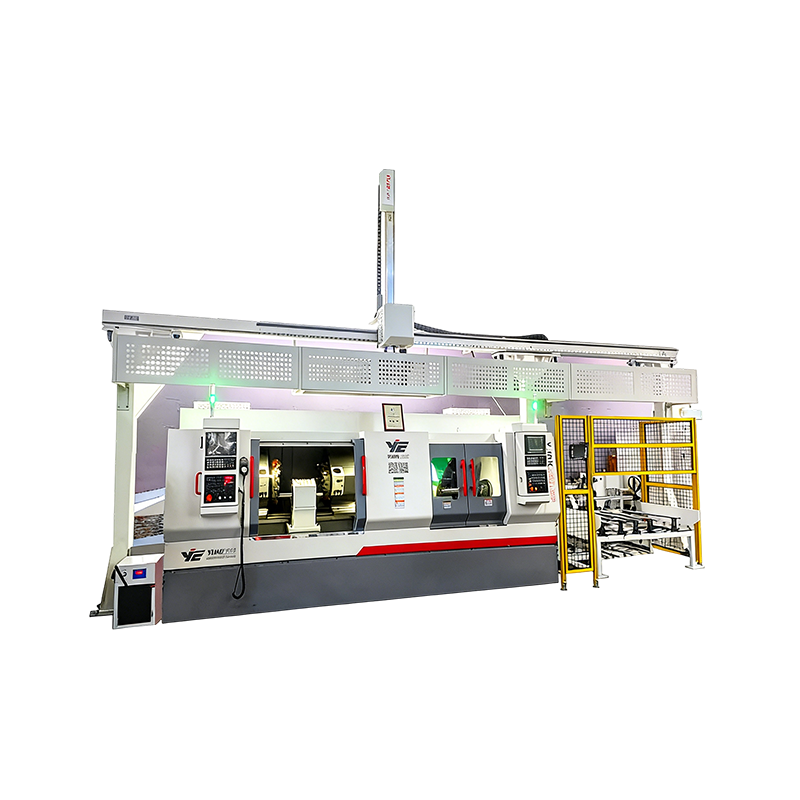
A Water Pump Shaft Automatic Production Line is an integrated manufacturing system designed to machine water pump shafts through a series of connected CNC and automation processes.
Simply put, instead of having operators manually move shafts between different machines, the production line connects machining, workpiece transfer, positioning, inspection, and other required processes into one coordinated system.
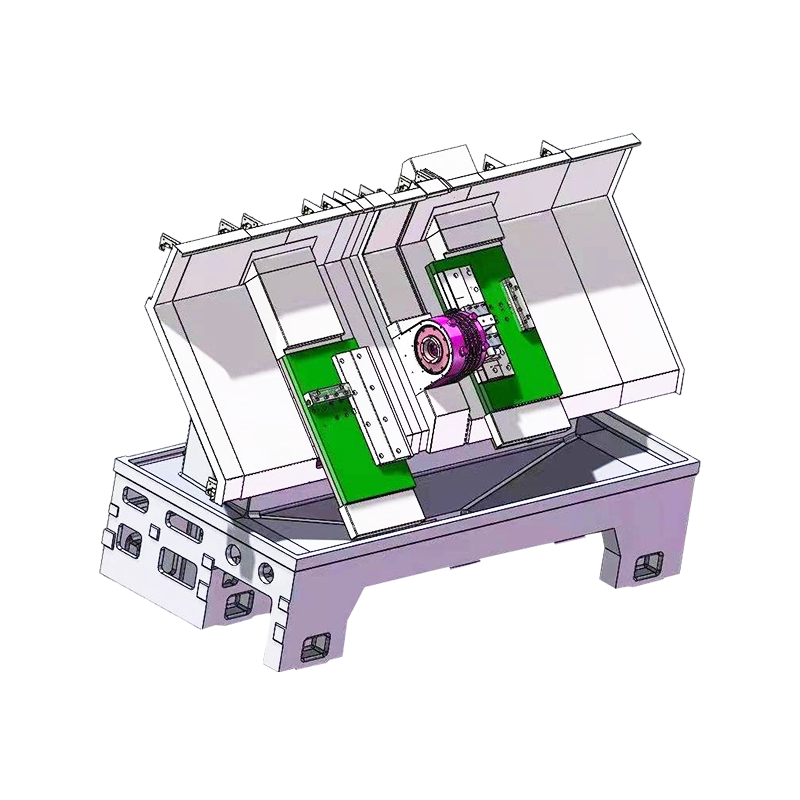
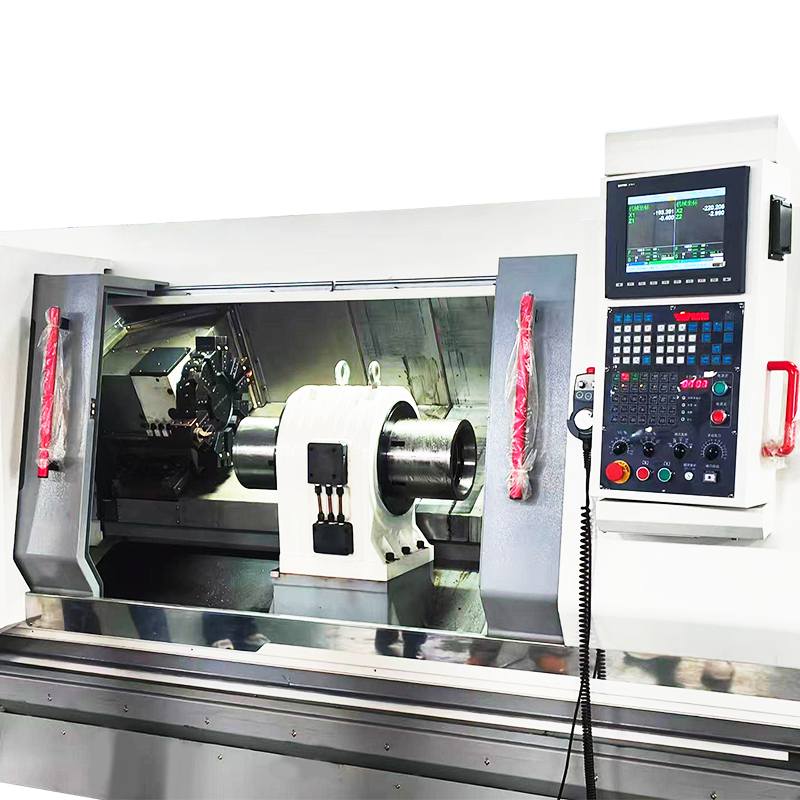
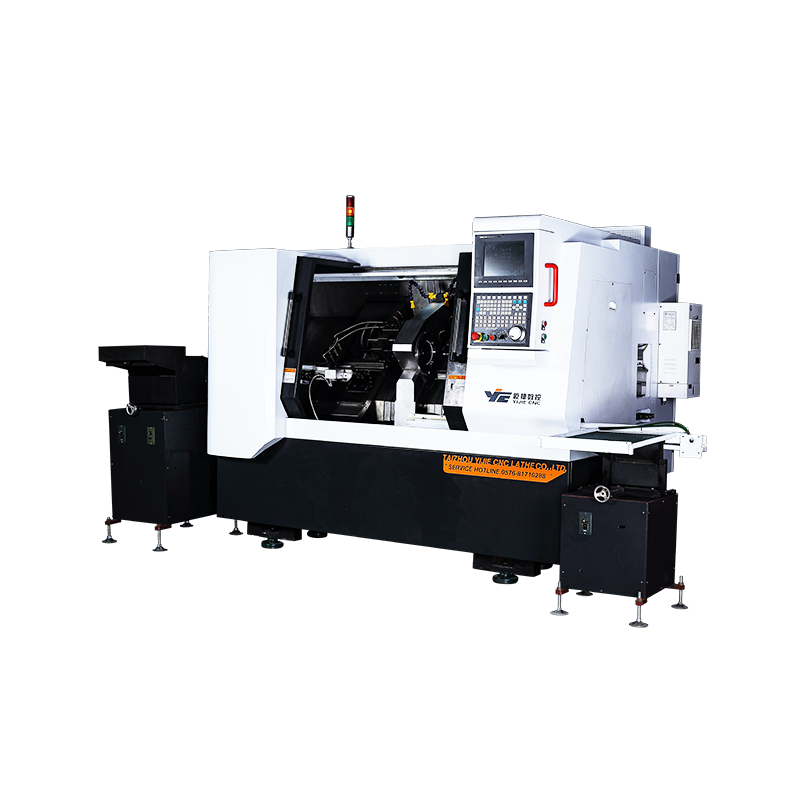
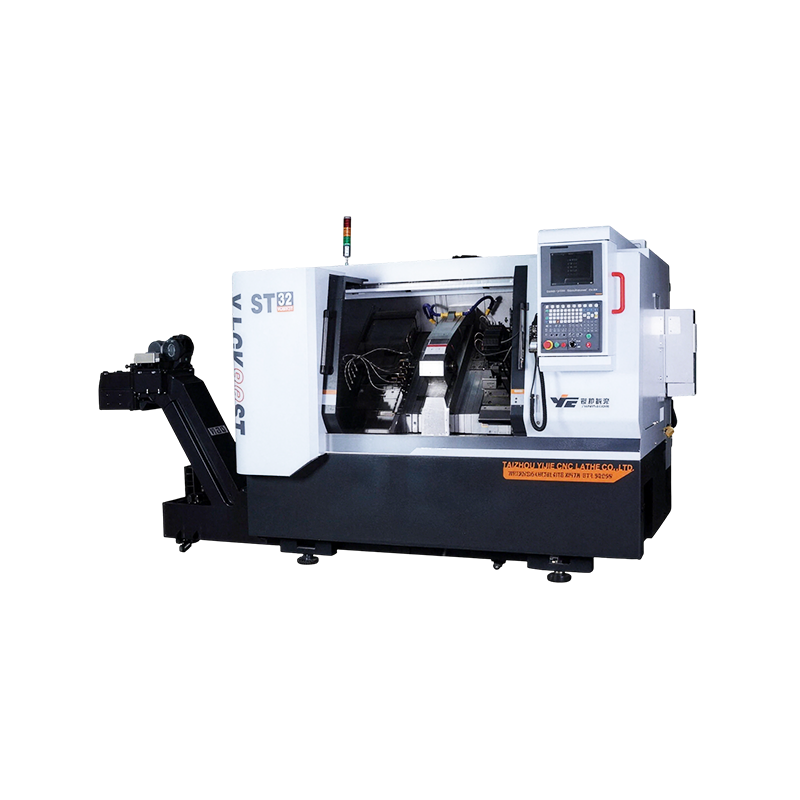
A typical line may include CNC turning machines, automatic loading and unloading devices, conveyors, material handling systems, measuring equipment, and a central control system. The exact setup depends on the shaft design and production requirements.
Specific Applications
This CNC Automation solution is mainly designed for manufacturers producing water pump shafts in repeated quantities.
Typical applications include:
- Automotive water pump shafts: machining shaft diameters, shoulders, grooves, threads, and bearing positions
- Industrial water pumps: producing shafts for centrifugal, circulation, cooling, and process pumps
- Agricultural equipment: shafts used in irrigation and agricultural water pump systems
- Building and facility equipment: components for water circulation and pump systems
- Industrial machinery: pump shafts requiring repeated turning and dimensional control
- Repeated shaft production: standardized shafts requiring several machining stages
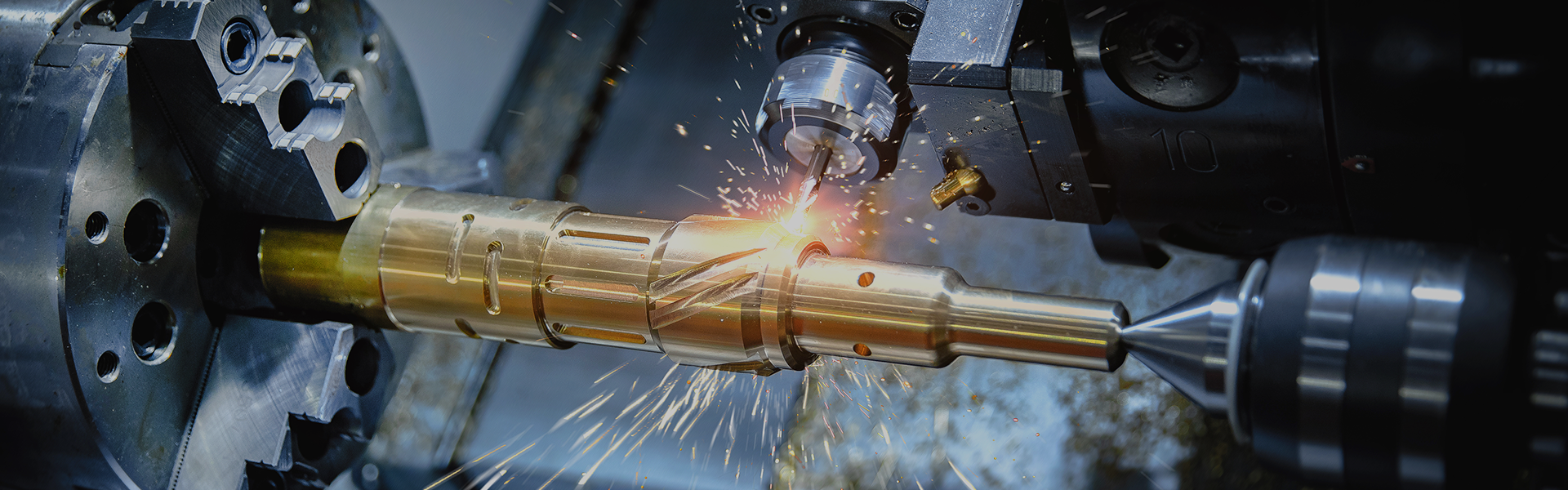
For example, a water pump shaft may require external diameter turning, facing, grooving, threading, chamfering, and bearing-seat machining. An automated line can arrange these processes in sequence, with automatic transfer between machining stations.
Core Functions
Depending on the production plan, the line can integrate CNC turning, automatic feeding, loading and unloading, workpiece transfer, positioning, dimensional inspection, chip handling, and production monitoring.
The CNC machining process may include external turning, facing, grooving, threading, chamfering, drilling, and other operations required by the shaft design.
When evaluating a system, customers should consider shaft dimensions, material, machining tolerance, cycle requirements, production volume, machine quantity, automation method, inspection requirements, floor space, and integration between each station.
Why Is It Purchased?
Private Brand: Machinery distributors can introduce customized CNC automation solutions under their own brand through OEM cooperation. Branding can cover equipment appearance, labels, documentation, and packaging.
Bulk Supply: Equipment distributors can provide complete automated production solutions to pump manufacturers and component factories. Configurations can be adjusted according to different shaft models and production requirements.
Cost Optimization: Manufacturers may consider automation when manual loading, unloading, repeated handling, and separate machining stations require significant labor. A connected production line can reduce manual material movement and improve production scheduling.
What Customer Problems Can It Solve?
Does manual shaft handling consume too much labor? Are operators moving workpieces between several CNC machines? Does repeated loading and positioning affect production consistency? Are repeated orders difficult to manage with standalone equipment?
A suitable Water Pump Shaft Automatic Production Line can help connect machining and material handling processes, making repeated shaft production easier to organize.
OEM/ODM Support
OEM/ODM cooperation may include CNC machine selection, automation layout, feeding systems, loading and unloading equipment, conveyors, inspection systems, control integration, machine appearance, branding, technical documentation, and packaging.
When evaluating a supplier, customers should examine engineering capability, automation integration experience, machine testing, production capacity, quality inspection, spare-parts support, technical documentation, installation guidance, and after-sales service.
The production line should be designed according to the actual shaft drawing, material, dimensions, machining operations, production volume, and factory layout. This allows customers to determine whether the solution matches their market requirements and whether the supplier can support a complete automation project.

 English
 中文简体
中文简体 русский