 English
 中文简体
 русский
YJ-CK72ST Single-spindle Double Gang-Tool CNC Machine Tool
Cat:Center-Drive Single Spindle Double-Row Tool CNC Lathe Series
Processing Range: Clamping outer diameter: ≤ Φ72 mm Spindle clamping width: 170 mm Workpiece length:...
View Details

The production of logistics rollers involves multiple stages, including material preparation, tube processing, shaft machining, end machining, assembly, and inspection. When these operations rely heavily on manual handling, workpieces need to be transferred between different stations throughout the production process.
Automation provides another approach by connecting machining, feeding, positioning, and unloading operations. The Logistics Rollers CNC Double-head Lathe can become an important machining unit within this type of production workflow.
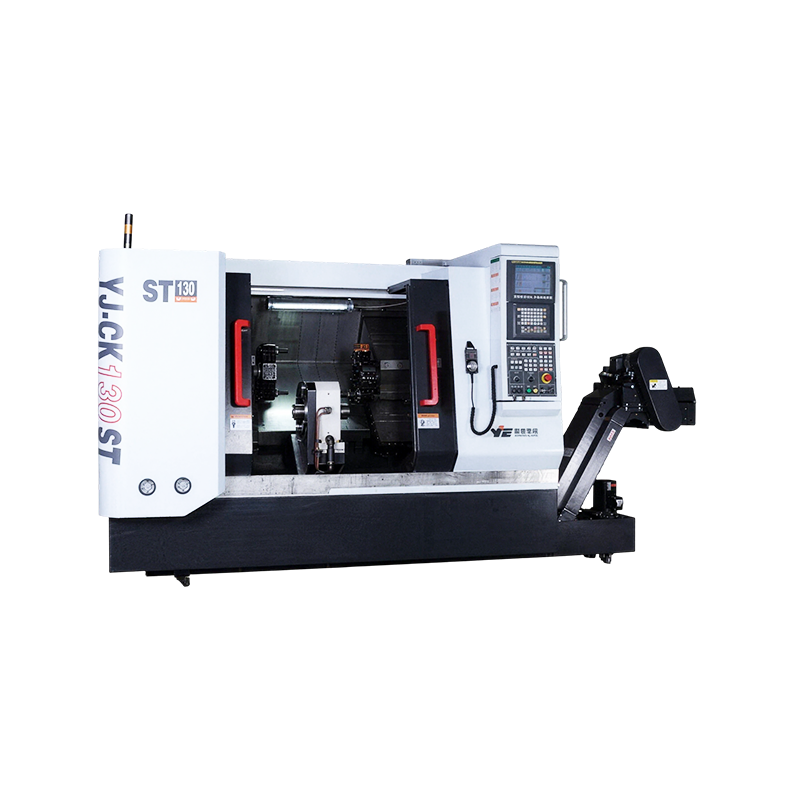
CNC double-head equipment is already associated with roller shaft processing and automated loading and unloading functions, making it suitable for production environments where repeated machining is required.
A double-head CNC structure provides machining access to both ends of a workpiece. When combined with automatic feeding and unloading, the process can involve fewer manual handling steps.
A typical workflow may include loading the roller component, positioning and clamping the workpiece, machining both ends, releasing the finished component, and transferring it to the next process.
The exact arrangement depends on the roller design and production line. Some automated roller production systems use separate modules for tube processing, shaft machining, material transfer, and assembly.
This modular approach allows manufacturers to build a production process around their actual product range rather than relying on one machine to perform every operation.
Loading and positioning are important when a CNC machine is used for repeated roller production. Automatic loading systems can transfer workpieces into the machining area, while positioning mechanisms can prepare the component for clamping.
Once the workpiece is correctly positioned, the CNC system can execute the programmed machining sequence. After processing, an unloading mechanism can move the finished component toward the next station.
This arrangement can reduce repetitive manual handling and create a clearer material flow through the workshop.
For manufacturers producing several roller types, automatic positioning and adjustable fixtures can also support changes between different workpiece designs. The actual level of flexibility depends on the machine structure, tooling, control system, and automation configuration.
A Logistics Rollers CNC Double-head Lathe does not have to operate independently. It can be connected with equipment used for cutting, drilling, boring, shaft machining, bearing assembly, inspection, and other roller production stages.
This creates opportunities for manufacturers to organize production into connected workstations.
For example, roller tubes can move from cutting to end machining, while shafts can be processed in a separate CNC station. After machining, the components can enter assembly and inspection processes.
Such a structure can help reduce unnecessary movement between work areas and make production scheduling easier. Automated conveyor roller manufacturing systems commonly use multiple machining and assembly modules arranged around a continuous workflow.
Logistics equipment manufacturers may produce rollers for warehouse conveyors, sorting systems, distribution equipment, packaging lines, and other material handling applications. Each application can involve different roller dimensions, shaft structures, materials, and end configurations.
For this reason, automation should be selected according to the product range rather than treated as a single fixed configuration.
The machining system can be planned around workpiece loading, fixture design, tool selection, CNC programming, inspection requirements, and transfer methods. For businesses producing multiple roller models, flexible tooling and adjustable production arrangements can also be useful.
When evaluating a Logistics Rollers CNC Double-head Lathe, buyers can examine the complete production process rather than focusing only on the lathe itself.
Important areas include workpiece compatibility, double-end machining functions, clamping structure, CNC control, automatic loading and unloading, tool arrangement, inspection integration, and connection with other production equipment.
A well-planned machining process can help create a smoother path from raw material preparation to finished roller assembly. For manufacturers seeking to develop or upgrade a logistics roller production line, the combination of double-head CNC machining and suitable automation provides a practical direction for organizing repeated roller manufacturing tasks.
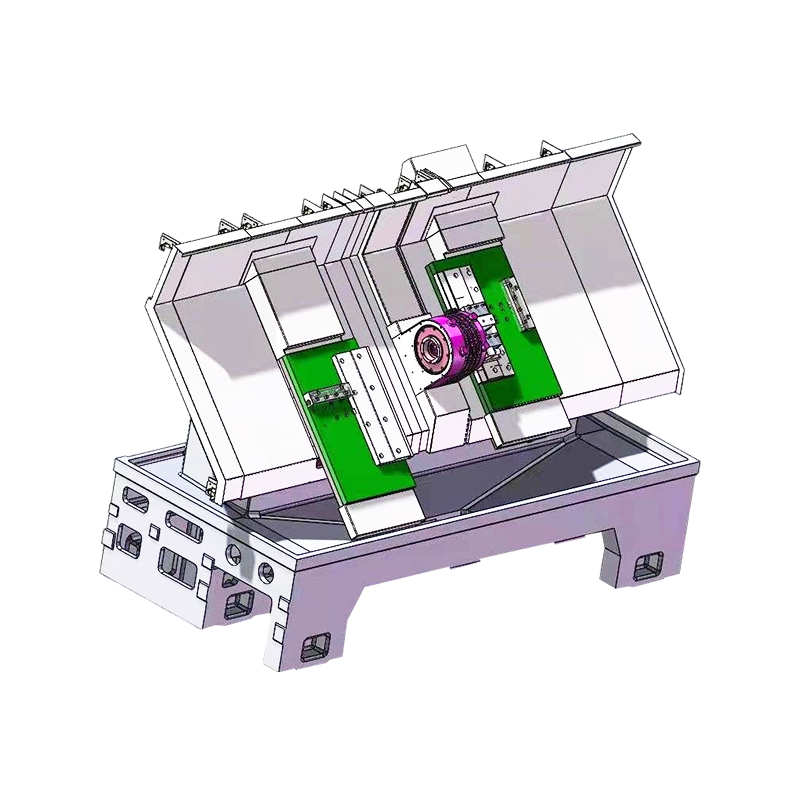
Processing Range: Clamping outer diameter: ≤ Φ72 mm Spindle clamping width: 170 mm Workpiece length:...
View Details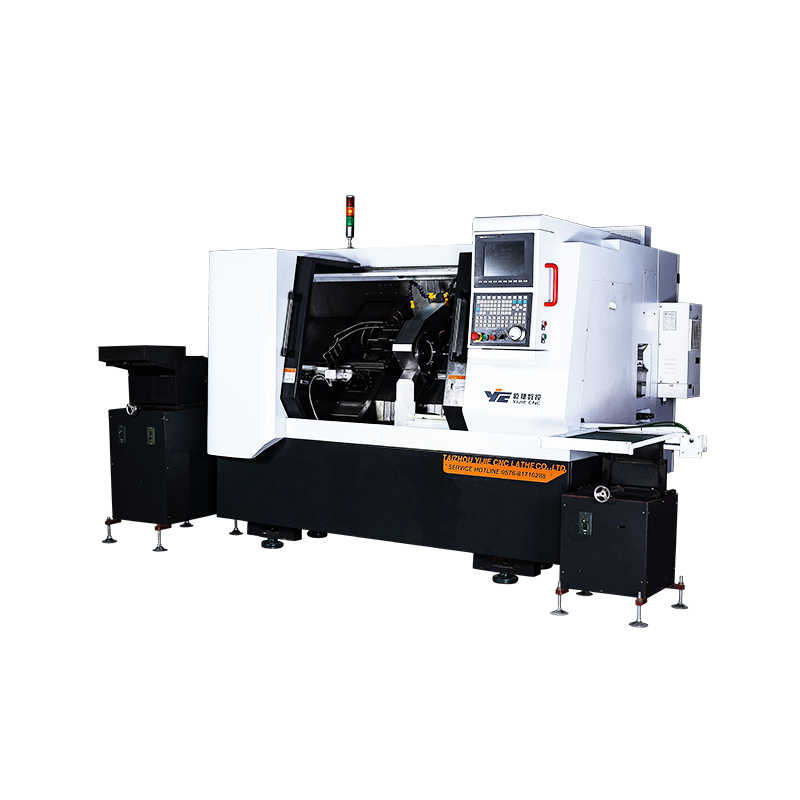
Detailed Introduction of YJ-CK72ST Dual-spindle Dual-Gang-Tool CNC Machine 1. Product Performance Wh...
View Details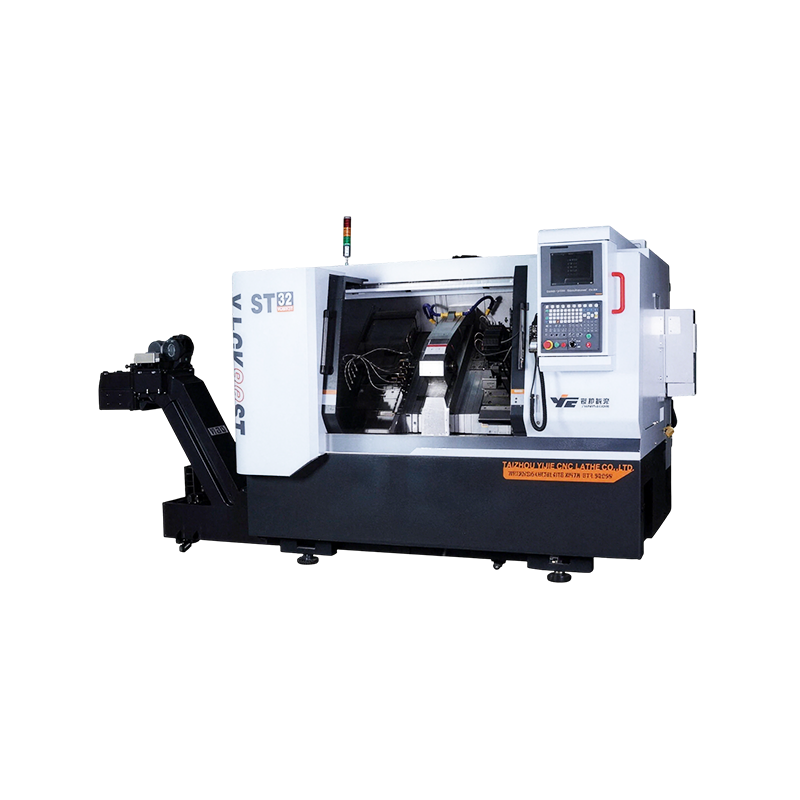
Core Positioning and Traditional Process Pain Point Resolution: The YJ-CK42ST Double-spindle Double-...
View Details
The YJ-CK52ST double-spindle double-row tool CNC lathe is a high-efficiency automatic equipment for ...
View Details
Core Positioning and Traditional Process Pain Point Breakthrough: The YJ-CK130ST Double-spindle Doub...
View Details
The YJ-CK200ST double-spindle dual-turret CNC machine tool is designed to solve the pain points of d...
View Details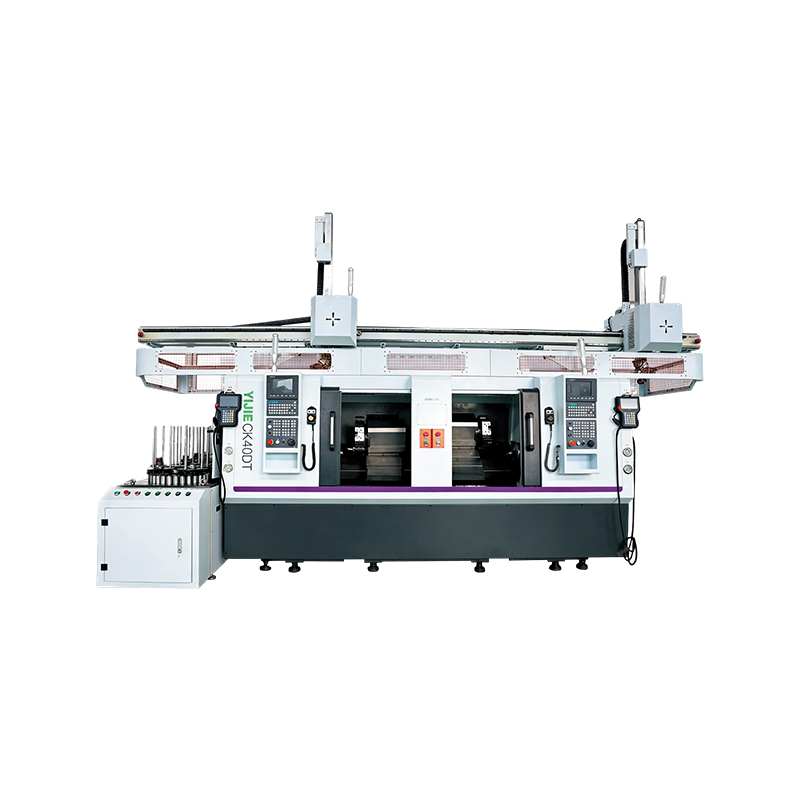
YJ-CK40DT Opposed Dual-Spindle CNC Lathe The YJ-CK40DT opposed twin-spindle CNC lathe is equipped wi...
View Details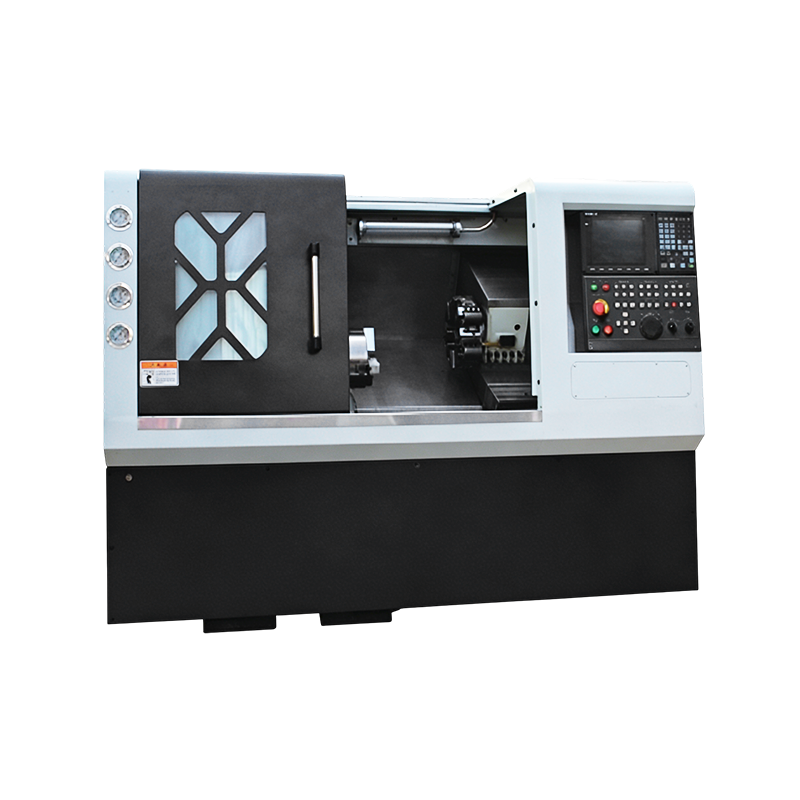
The YJ-CNC3240 slant-bed CNC lathe is Yijie's new-generation high-efficiency turning center, equippe...
View Details
The YJ-CNC5878 slant-bed CNC machine tool is Yijie's new-generation heavy-duty turning center, equip...
View Details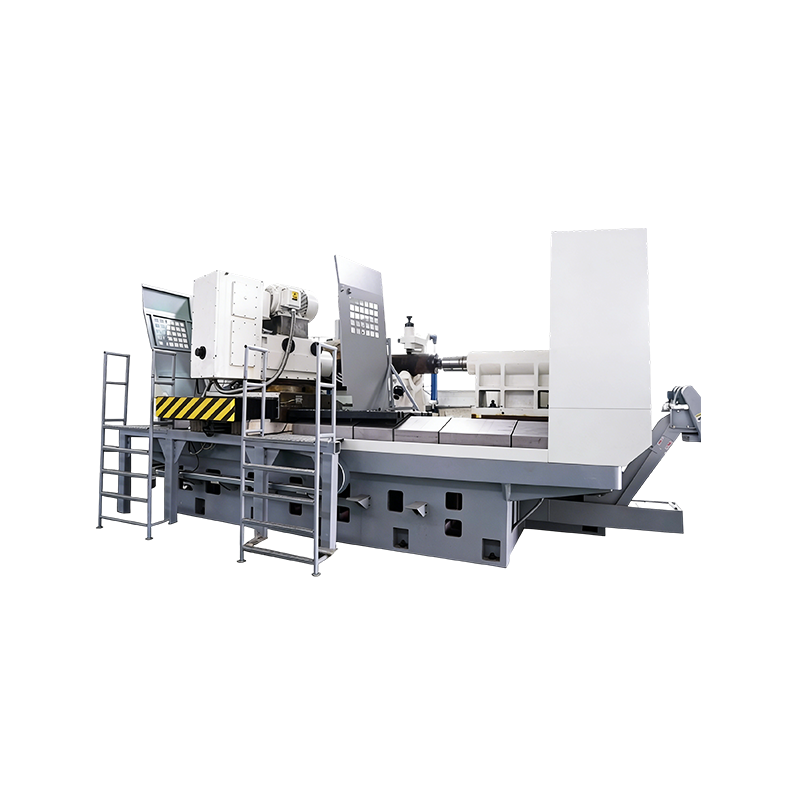
The YJ-CK061TS CNC heavy-duty milling and boring machine features high precision, large power, high ...
View Details
+86-576-81716185
+86-13566440883
tzyijie@163.com
+86-576-87411279
3.Pharmaceutical Packaging Industrial Zone, Lupu Town, Yuhuan, Taizhou, Zhejiang, China
Copyright © 2025 Taizhou Yijie CNC Machine Tool Co., Ltd.
Intelligent CNC Machine Tool
