 English
 中文简体
 русский
YJ-CK72ST Single-spindle Double Gang-Tool CNC Machine Tool
Cat:Center-Drive Single Spindle Double-Row Tool CNC Lathe Series
Processing Range: Clamping outer diameter: ≤ Φ72 mm Spindle clamping width: 170 mm Workpiece length:...
View Details

Logistics rollers are widely used in material handling equipment, warehouse conveyors, sorting systems, and other transport applications. Their production involves several machining processes for roller tubes, shafts, end sections, holes, grooves, and related components. As roller designs become more varied, manufacturers need machining equipment that can handle repeated processing while maintaining stable positioning.
The Logistics Rollers CNC Double-head Lathe is designed around these requirements. Its double-head configuration allows machining operations to be arranged around both ends of a workpiece, creating a practical solution for roller production where two-end processing is required.
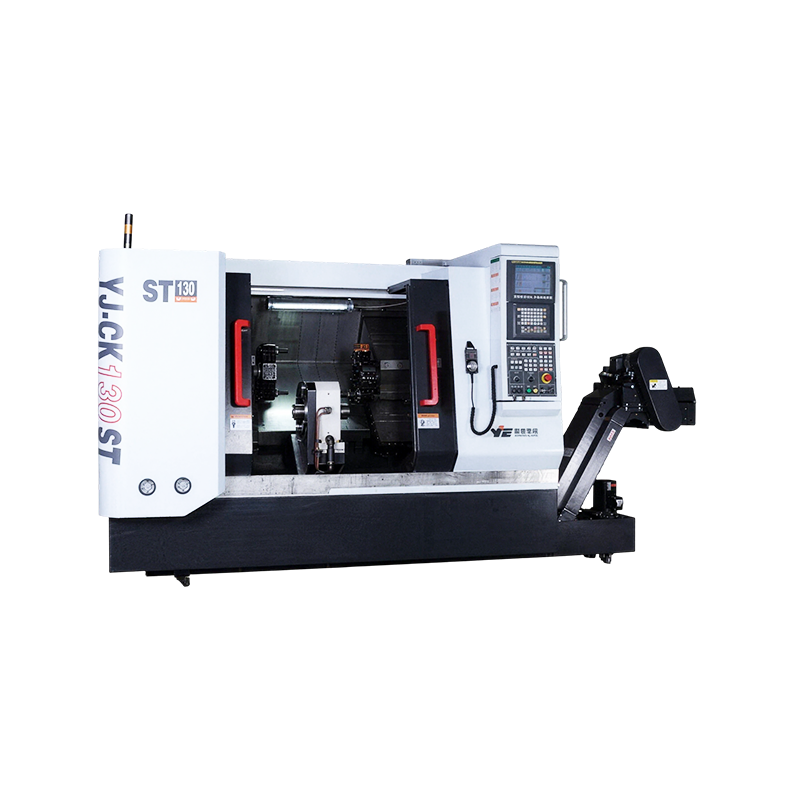
Double-head Machining for Roller Components
A conventional machining process may require a workpiece to be removed, turned around, repositioned, and clamped again before the opposite end can be processed. Each additional setup adds handling steps and creates another positioning stage.
A double-head CNC lathe changes this workflow by allowing two machining units to work on the corresponding ends of a roller component. Depending on the machine configuration, common operations can include turning, facing, chamfering, boring, drilling, and groove machining.
This approach is particularly suitable for roller shafts and tubular components with matching features at both ends. Double-end processing is also used in dedicated conveyor roller equipment to reduce workpiece reversal and support consistent positioning.
CNC Control for Repeatable Processing
CNC control allows machining movements and cutting operations to follow programmed parameters. For roller manufacturers, this can simplify repeated production of components with the same design.
The machining process can be organized according to the roller structure, material, tooling requirements, and production workflow. Operators can adjust programs when different roller specifications or machining requirements need to be handled.
For production environments handling several roller models, programmable machining can also help create a more organized manufacturing process. Tool selection, clamping methods, cutting conditions, and inspection procedures can be coordinated around the specific component being produced.
Processing Different Roller Structures
Logistics rollers can have different tube structures, shaft designs, bearing arrangements, and end configurations. The machining equipment therefore needs to match the actual geometry of the components.
Roller shafts may require turning, facing, chamfering, threading, or groove machining. Roller tubes may require end machining, boring, or other operations before bearing-related components are installed.
A double-head configuration can be useful when the two ends contain related machining features. It allows the production process to focus on both ends without relying on repeated manual repositioning. Similar double-head roller equipment is designed for simultaneous or coordinated machining of both ends of conveyor roller components.
Supporting Stable Roller Production
Consistency is an important consideration for logistics roller manufacturing. Bearing seats, shafts, end holes, and external surfaces need to work together during assembly and operation. Positioning and clamping therefore become important parts of the machining process.
A suitable fixture can hold the workpiece securely while the CNC system controls the programmed machining movements. Stable clamping also helps reduce unwanted movement during cutting.
For manufacturers producing rollers in repeated batches, a controlled machining process can make production easier to organize. It can also support inspection procedures by providing a consistent machining method for components with the same design.
Integrating the Lathe Into Roller Production
The Logistics Rollers CNC Double-head Lathe can be used as an individual machining unit or as part of a broader roller manufacturing workflow. Depending on production requirements, it can be combined with feeding equipment, inspection stations, assembly equipment, and other CNC machines.
This makes the machine relevant to manufacturers working with conveyor rollers, logistics rollers, idler rollers, and related shaft components.
When selecting equipment, buyers can consider the required workpiece structure, clamping method, machining operations, tooling arrangement, CNC control functions, and compatibility with existing production processes. These factors help determine whether a double-head CNC solution matches the actual requirements of the roller manufacturing line.
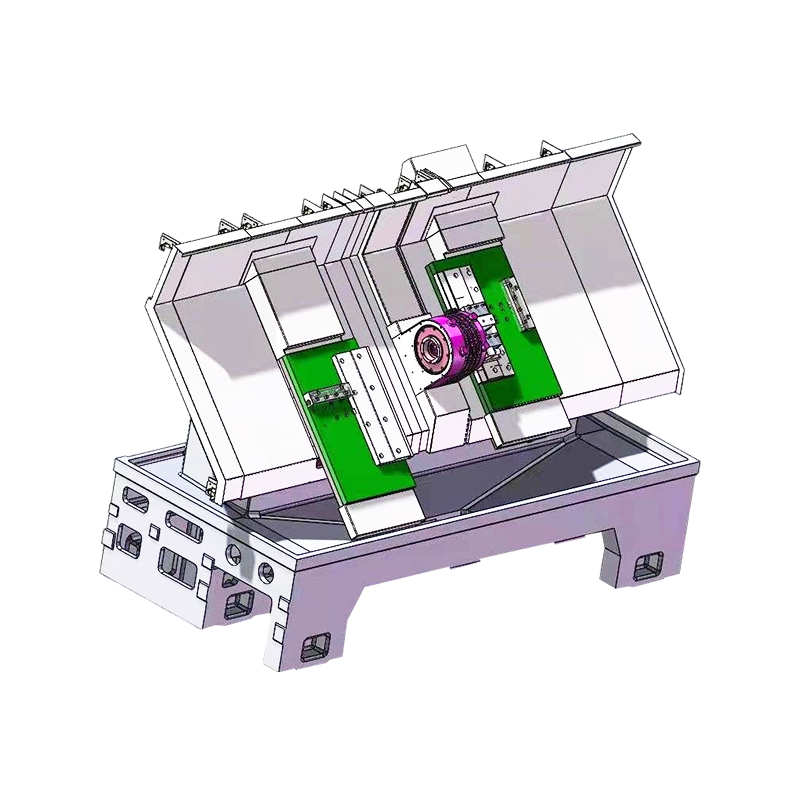
Processing Range: Clamping outer diameter: ≤ Φ72 mm Spindle clamping width: 170 mm Workpiece length:...
View Details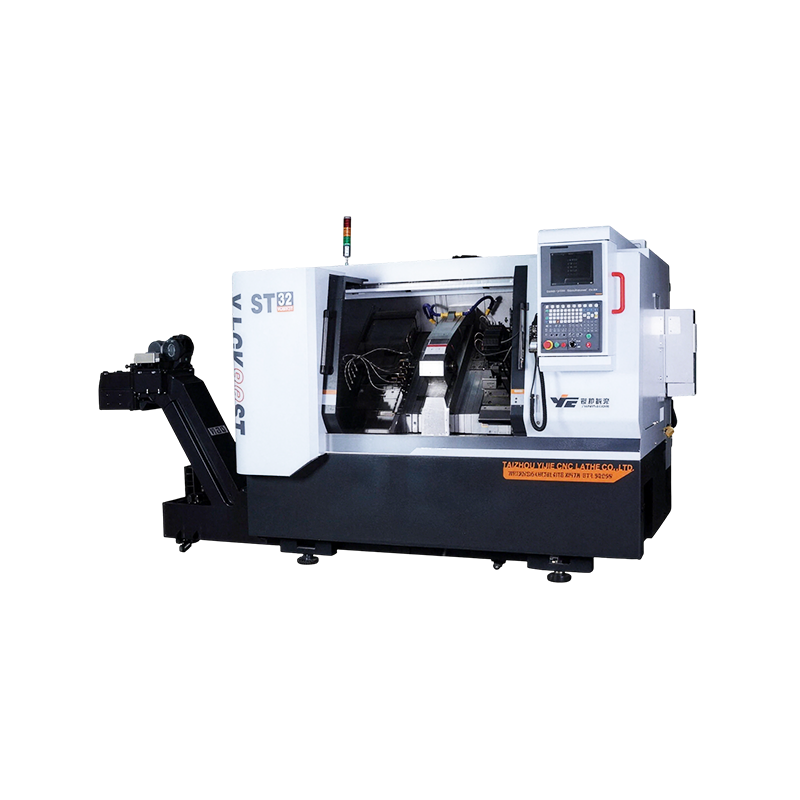
Core Positioning and Pain Point Resolution: The YJ-CK32ST Double-spindle Double-row Tool CNC Lathe i...
View Details
The YJ-CK95ST dual-turret CNC double-spindle lathe is designed for new energy motor shaft manufactur...
View Details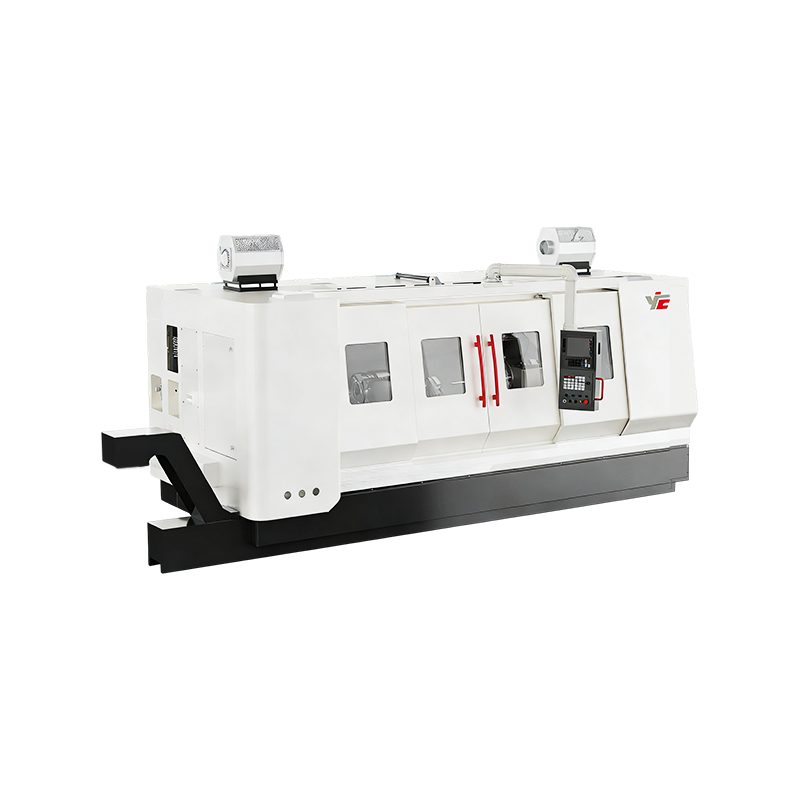
YJ-CK32ST Dual-spindle, Dual-turret, and Dual-tailstock Lathe ConfigurationDual-sided Dual-turret De...
View Details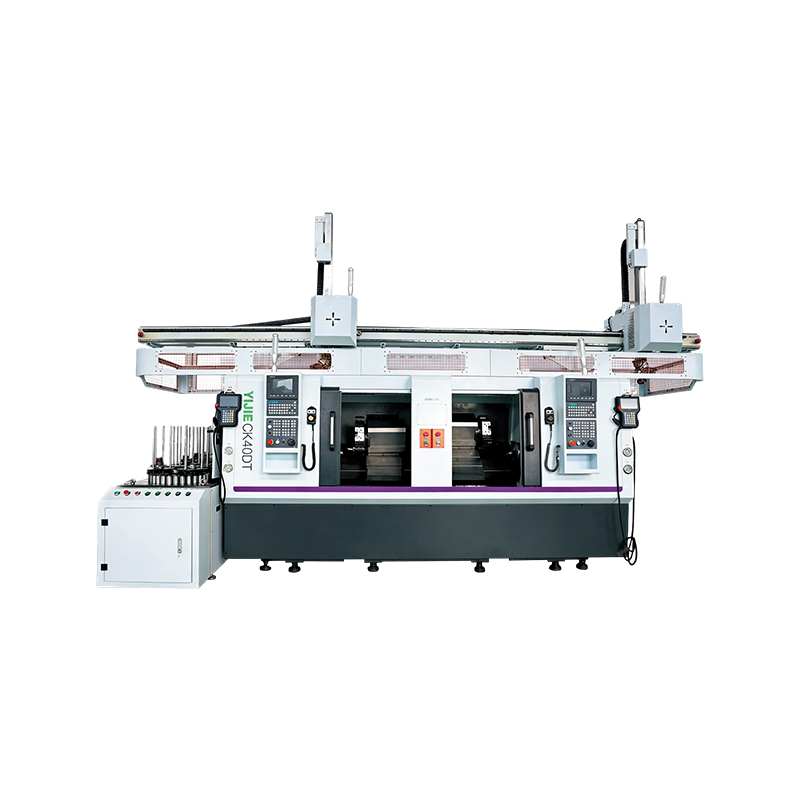
The YJ-CK40SDT opposed dual-spindle machine tool integrates upright and inverted turning into a two-...
View Details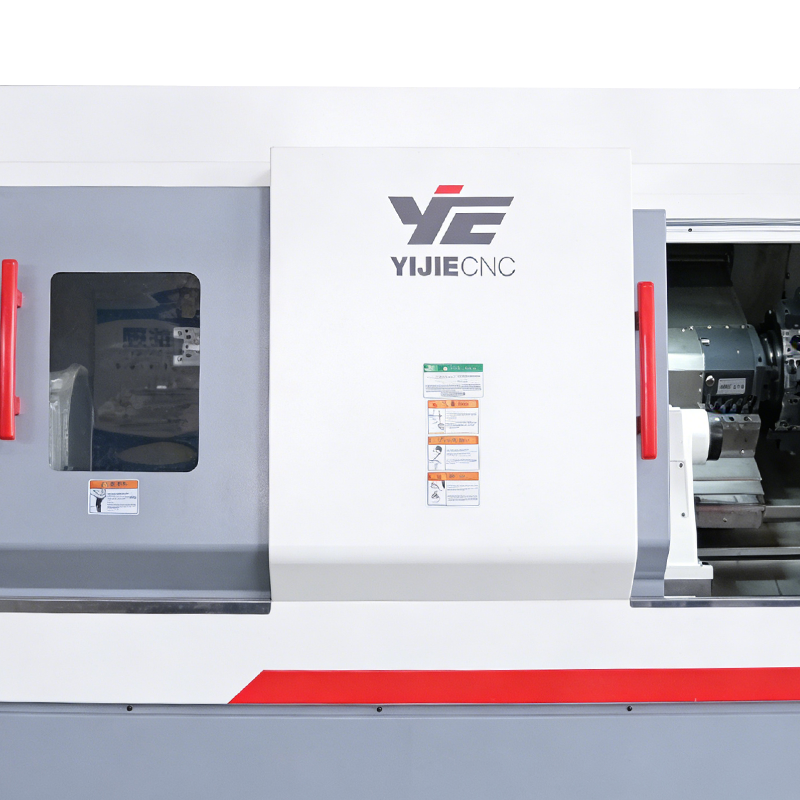
YJCK-72IISF Triple-Turret Intelligent CNC Lathe The YJCK-72IISF Triple-Turret Intelligent CNC Lathe ...
View Details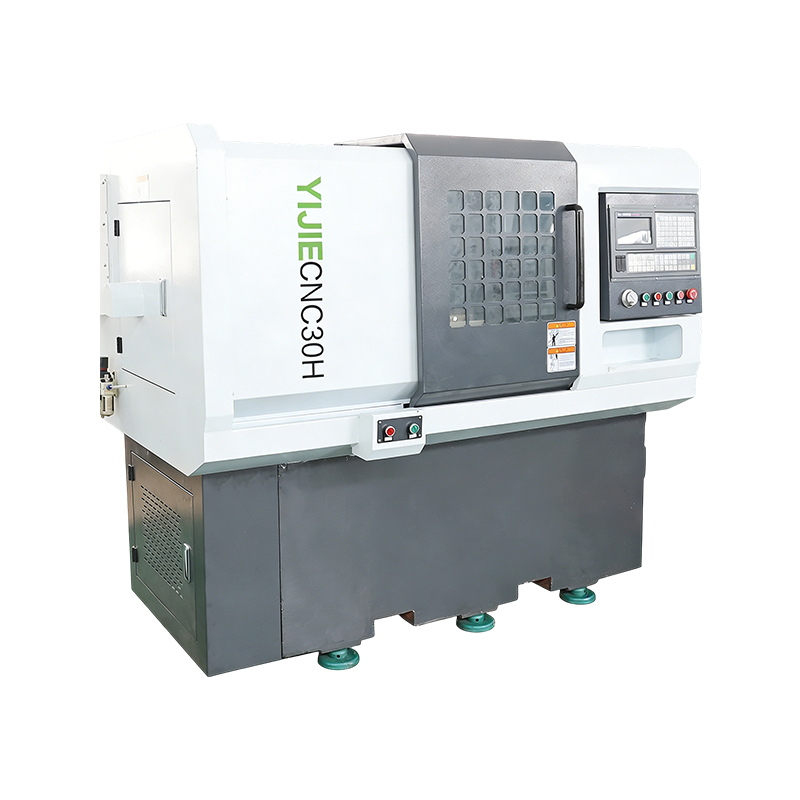
The YJ-CNC30H flat-bed linear guide CNC lathe achieves automatic control through a CNC system, enabl...
View Details
The YJ-CNC95H flat-bed linear guide CNC lathe realizes full automatic control through a CNC system, ...
View Details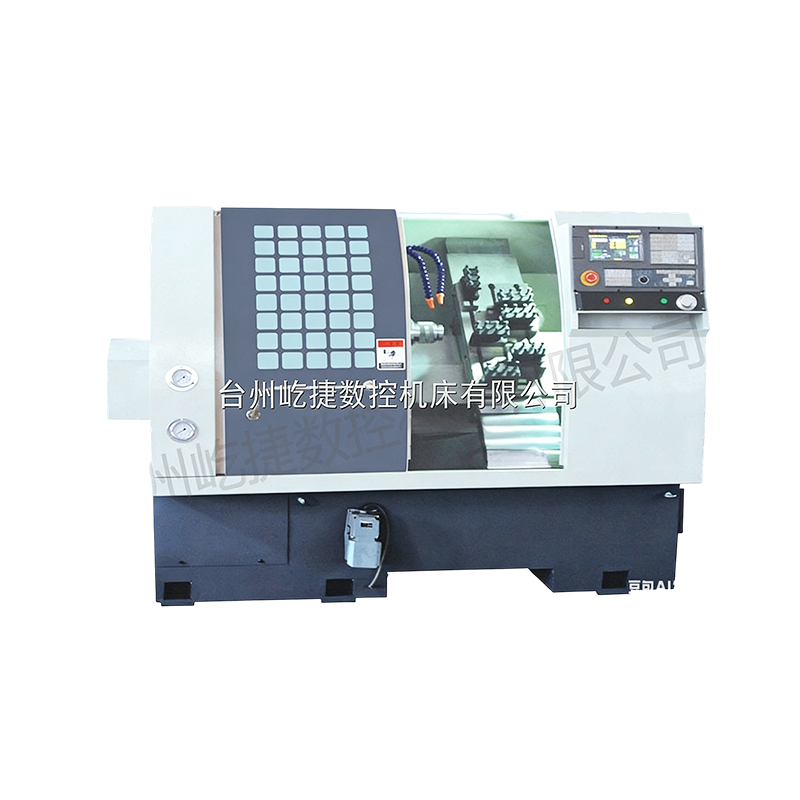
The CNC30G turret-type slant-bed CNC lathe features a 45° inclined bed design, equipped with HIWIN P...
View Details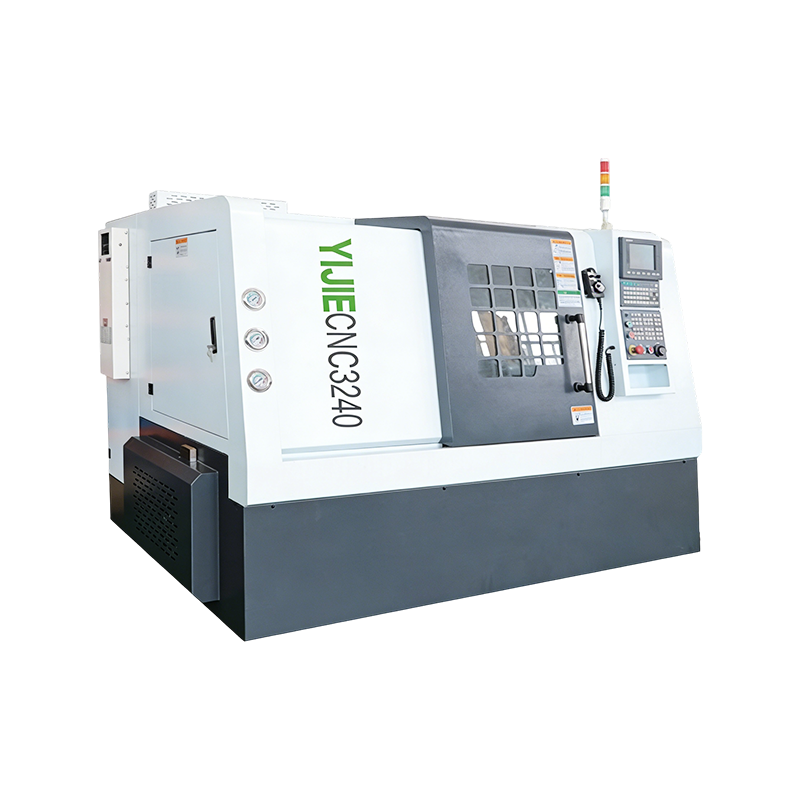
The YJ-CNC3240 slant-bed CNC turning center is equipped with independent Y-axis and C-axis dual modu...
View Details
+86-576-81716185
+86-13566440883
tzyijie@163.com
+86-576-87411279
3.Pharmaceutical Packaging Industrial Zone, Lupu Town, Yuhuan, Taizhou, Zhejiang, China
Copyright © 2025 Taizhou Yijie CNC Machine Tool Co., Ltd.
Intelligent CNC Machine Tool
