 English
 中文简体
 русский
YJ-CK72ST Single-spindle Double Gang-Tool CNC Machine Tool
Cat:Center-Drive Single Spindle Double-Row Tool CNC Lathe Series
Processing Range: Clamping outer diameter: ≤ Φ72 mm Spindle clamping width: 170 mm Workpiece length:...
View Details

IoT-Enabled Smart CNC Equipment is changing how machining equipment can be monitored and managed on the shop floor. Instead of relying only on operators to check individual machines, connected CNC equipment can collect operating information and transfer it to a digital monitoring platform.
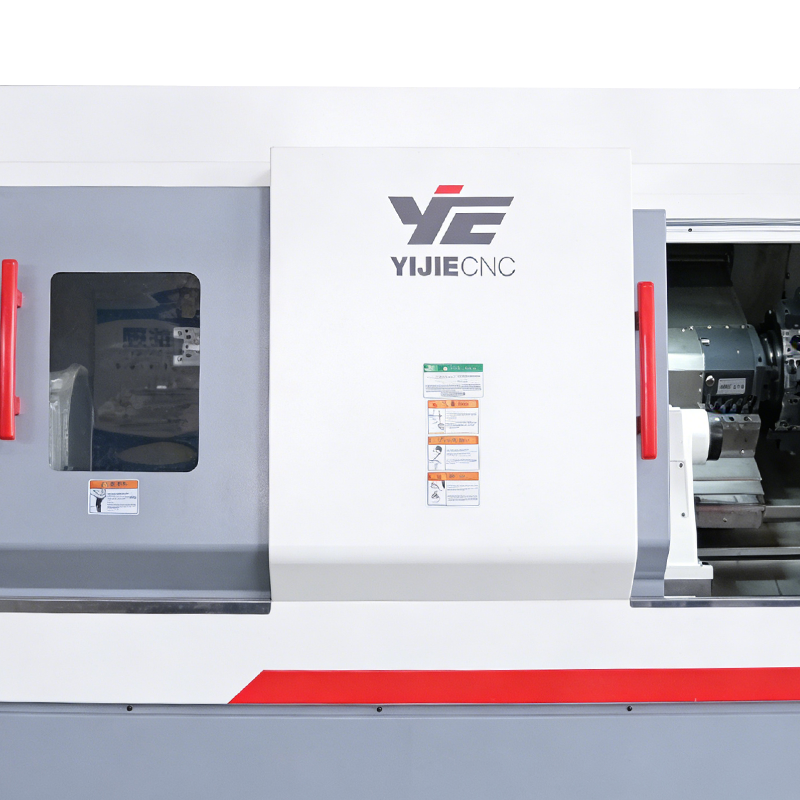
This approach creates a connection between the physical machine and production management software. CNC controllers, sensors, and communication interfaces can provide information about machine status, alarms, production activity, and other operating conditions.
Open manufacturing standards such as MTConnect are designed to make machine data accessible through a structured information model, while industrial communication technologies such as OPC UA can connect CNC equipment with software systems used for production management.
Real-time monitoring allows production personnel to view the operating condition of connected CNC machines from a centralized interface. Common information can include running status, idle status, alarms, cycle activity, production progress, and equipment availability.
This information can help operators understand what is happening on the shop floor without repeatedly walking between individual machines. When an alarm occurs, the monitoring system can display the relevant notification so that personnel can check the equipment and respond according to the actual situation.
For workshops with several CNC machines, centralized monitoring can also make equipment management easier. Different machines can be viewed through a shared platform, allowing production personnel to understand the general condition of the workshop.
IoT-Enabled Smart CNC Equipment can collect different types of data depending on the CNC controller, sensors, communication interface, and monitoring system.
Typical data may include machine running status, spindle information, cycle activity, part counts, alarm events, and production time. Monitoring platforms can process these signals and display them through dashboards for operators, engineers, and production managers.
The purpose is not simply to collect large amounts of information. Useful monitoring depends on selecting data that relates to actual production tasks. For example, cycle information can help production personnel understand machining activity, while alarm records can provide information about equipment interruptions.
A connected CNC workshop may contain different machine models and control systems. This can create challenges when each machine provides information through a different interface.
IoT connectivity can provide a common layer for collecting and organizing machine information. MTConnect, OPC UA, and other industrial communication methods can be used according to the CNC controller and software architecture. Research on connected machine tools has also examined the use of MTConnect and OPC UA for integrating data from different CNC systems.
A centralized dashboard can then present machine information in a more consistent format. This can support equipment monitoring across machining cells and production areas.
IoT connectivity can also extend CNC monitoring beyond the immediate machine area. When the system is configured for secure remote access, authorized personnel can view machine conditions through a connected platform.
Remote monitoring can be useful when production managers need to check equipment status while working in another area of the facility. It can also help maintenance personnel review alarms and operating information before visiting the machine.
Remote access should be designed with appropriate authentication, network protection, and access permissions. CNC connectivity should not be treated only as a communication function because production equipment also requires attention to operational security.
When evaluating IoT-Enabled Smart CNC Equipment, buyers can examine several areas. Data collection capability is an important consideration because different machines can provide different types of information.
Communication interfaces should also match the existing CNC controller and factory network. Compatibility with monitoring software, MES platforms, ERP systems, and other production applications can affect how easily the equipment fits into an existing digital workflow.
A practical IoT CNC solution therefore combines CNC machining functions with data collection, communication, monitoring, and production management capabilities. This creates a connected equipment foundation for workshops that want clearer visibility into daily machine operations.
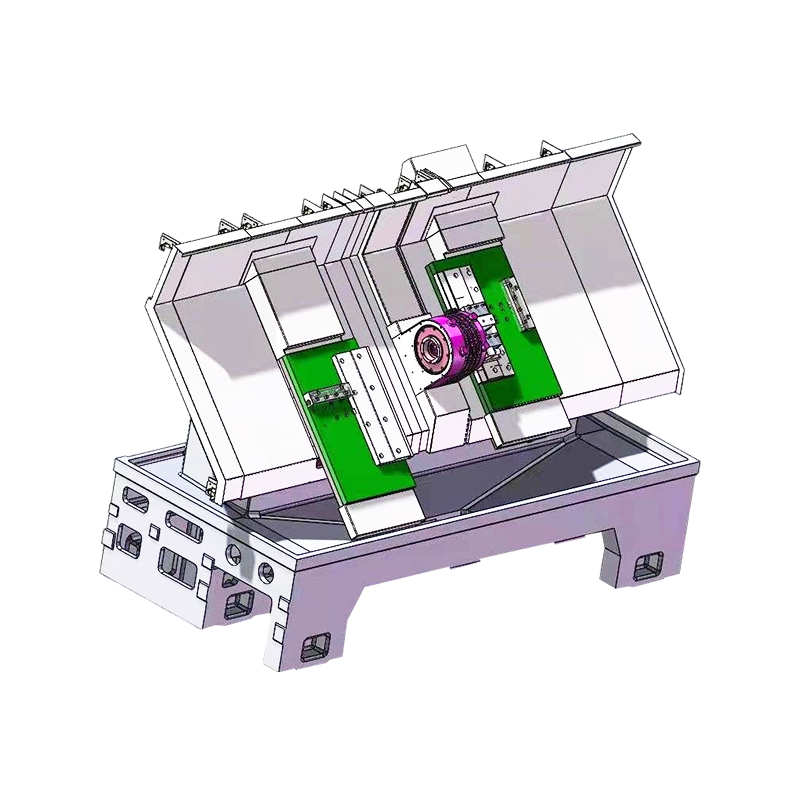
Processing Range: Clamping outer diameter: ≤ Φ72 mm Spindle clamping width: 170 mm Workpiece length:...
View Details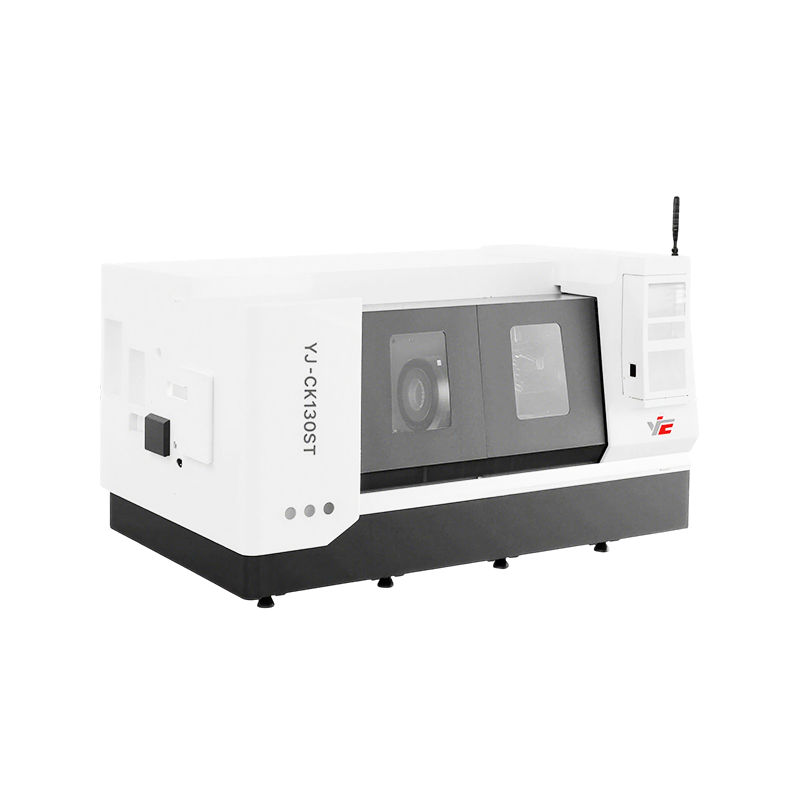
Product Performance of YJ-CK130ST Dual-spindle Dual-Turret CNC Machine When machining both end faces...
View Details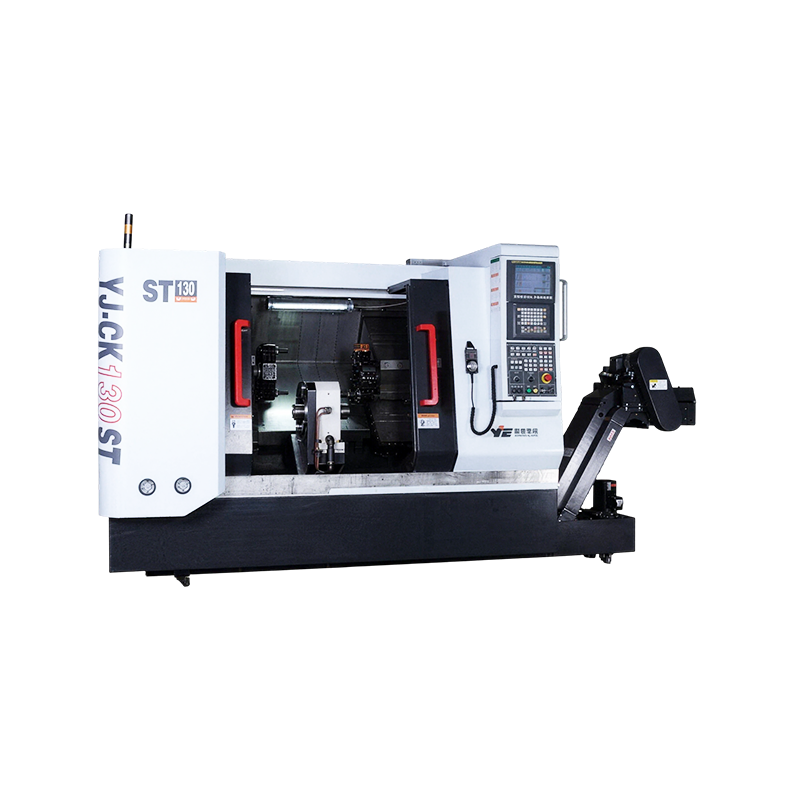
The YJ-CK95ST dual-turret CNC double-spindle lathe is designed for new energy motor shaft manufactur...
View Details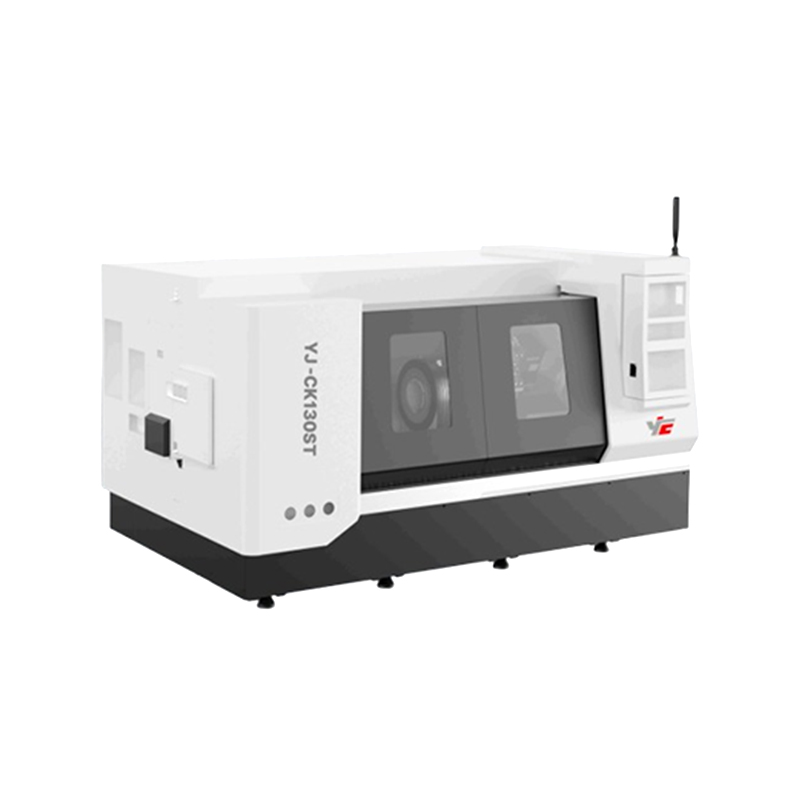
Product Introduction of YJ-CK140ST Double-head CNC LatheR&D Orientation: Independently developed...
View Details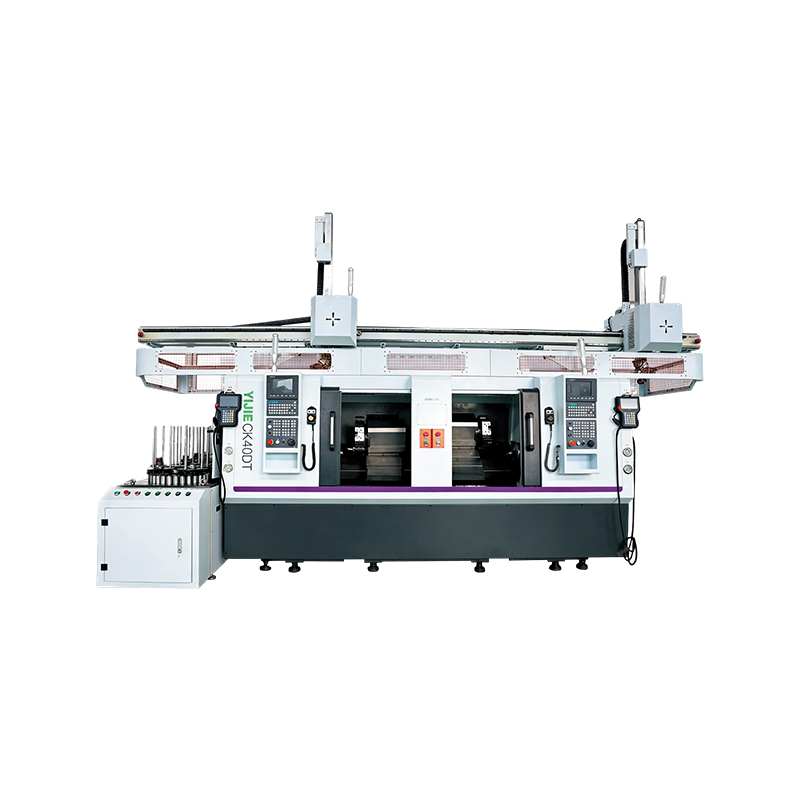
YJ-CK40DT Opposed Dual-Spindle CNC Lathe The YJ-CK40DT opposed twin-spindle CNC lathe is equipped wi...
View Details
YJCK-72IISF Triple-Turret Intelligent CNC Lathe The YJCK-72IISF Triple-Turret Intelligent CNC Lathe ...
View Details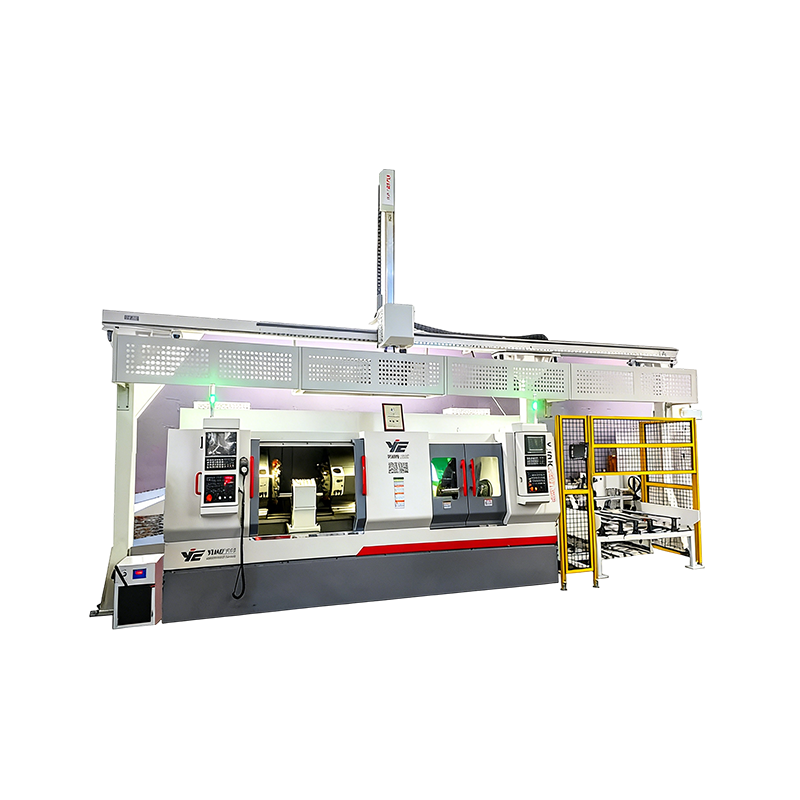
This equipment inherits the advantages of dual-spindle lathes and combines the processing characteri...
View Details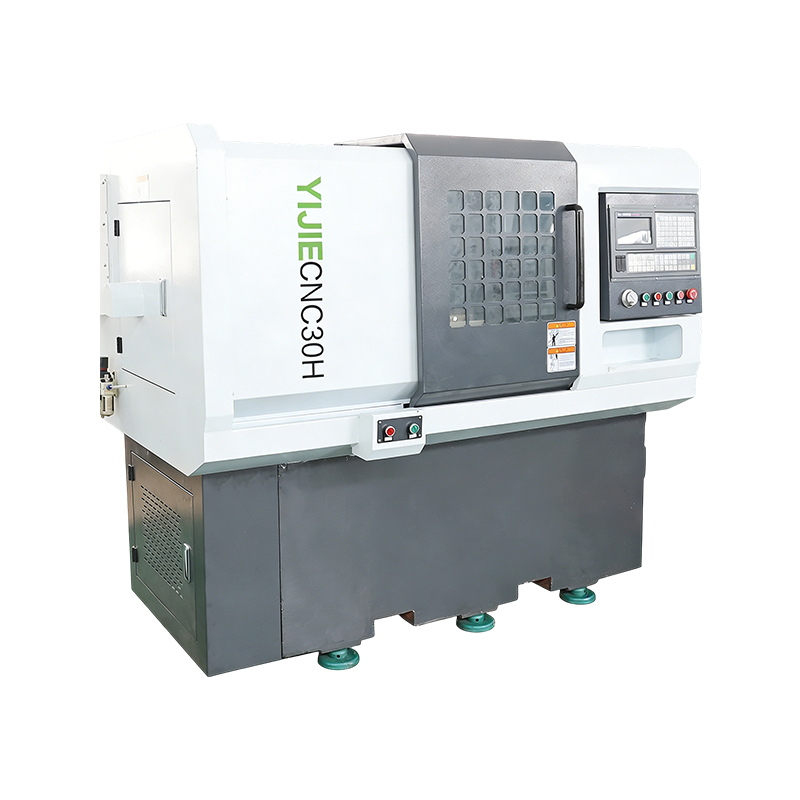
The YJ-CNC30H flat-bed linear guide CNC lathe achieves automatic control through a CNC system, enabl...
View Details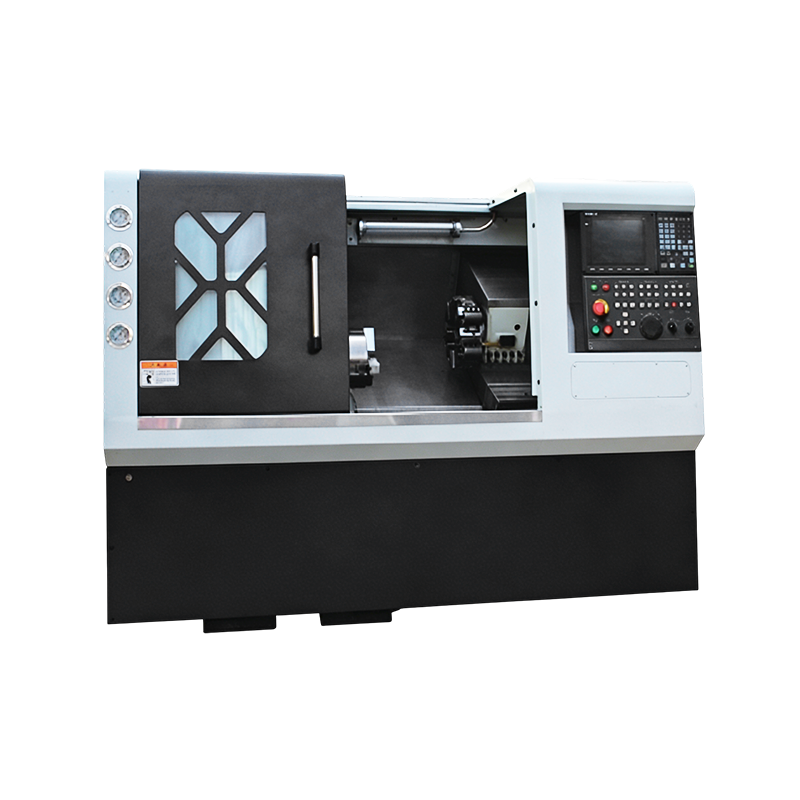
The YJ-CNC4558 slant-bed CNC lathe is Yijie's new-generation medium-heavy turning center, equipped w...
View Details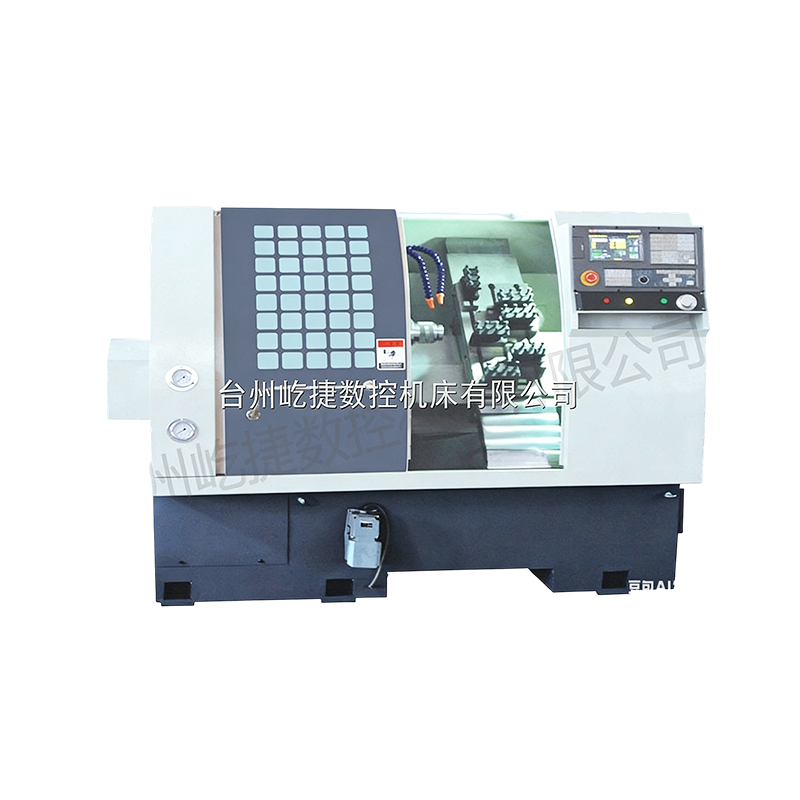
The CNC30G turret-type slant-bed CNC lathe features a 45° inclined bed design, equipped with HIWIN P...
View Details
+86-576-81716185
+86-13566440883
tzyijie@163.com
+86-576-87411279
3.Pharmaceutical Packaging Industrial Zone, Lupu Town, Yuhuan, Taizhou, Zhejiang, China
Copyright © 2025 Taizhou Yijie CNC Machine Tool Co., Ltd.
Intelligent CNC Machine Tool
