2. Features
(1) Fully Automatic Double-End Composite Machining Process Design
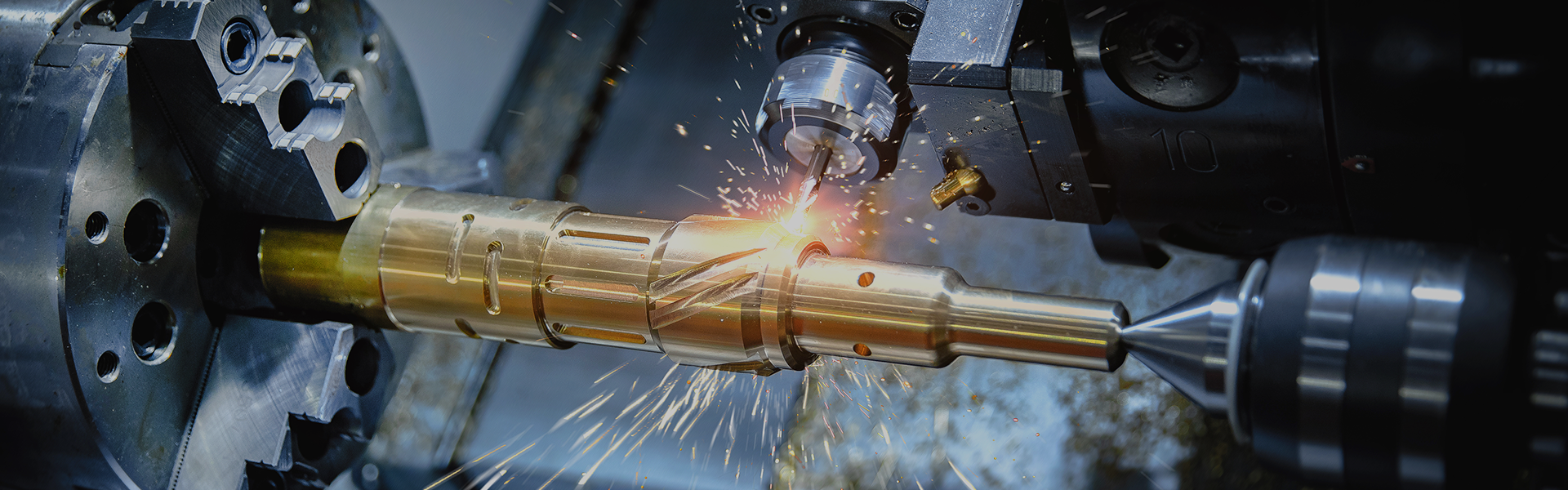
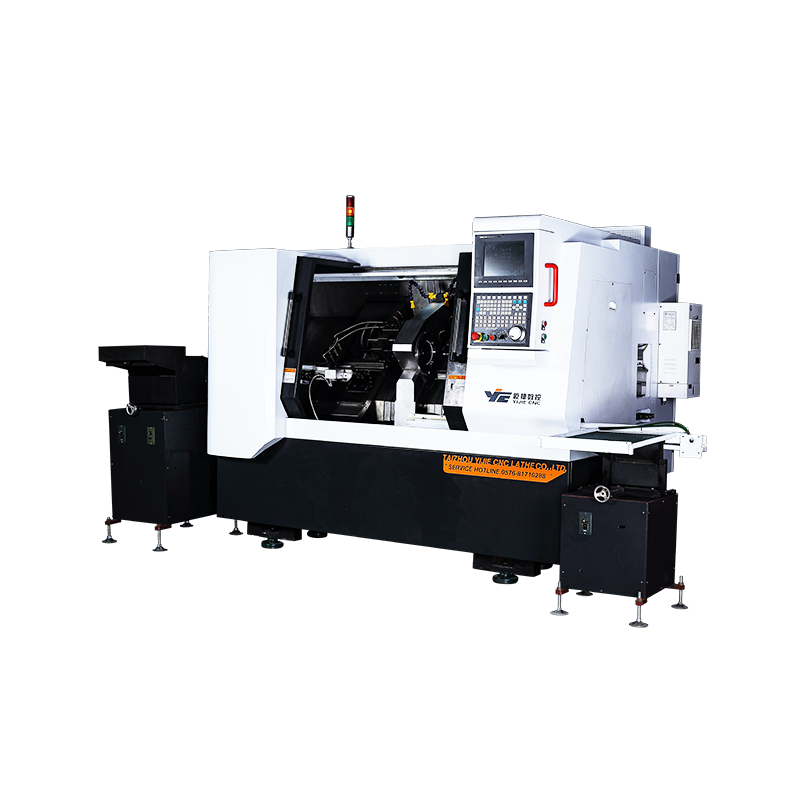
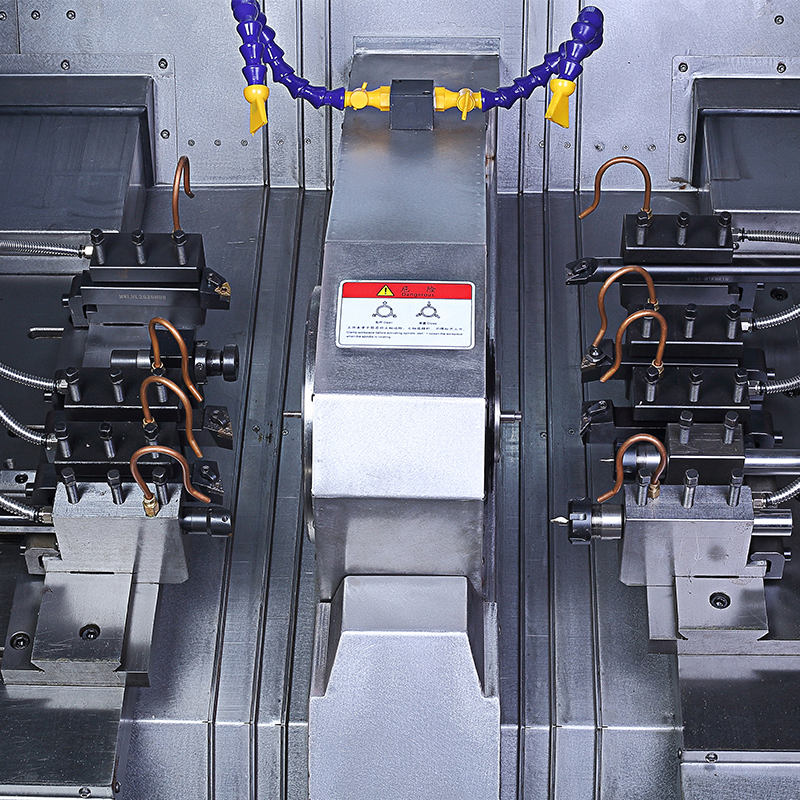
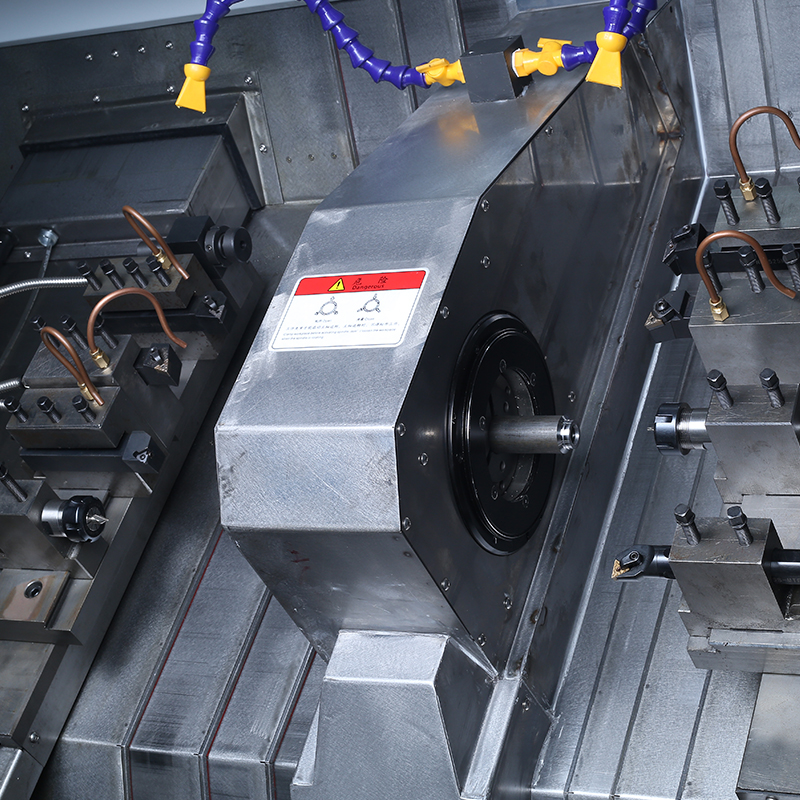
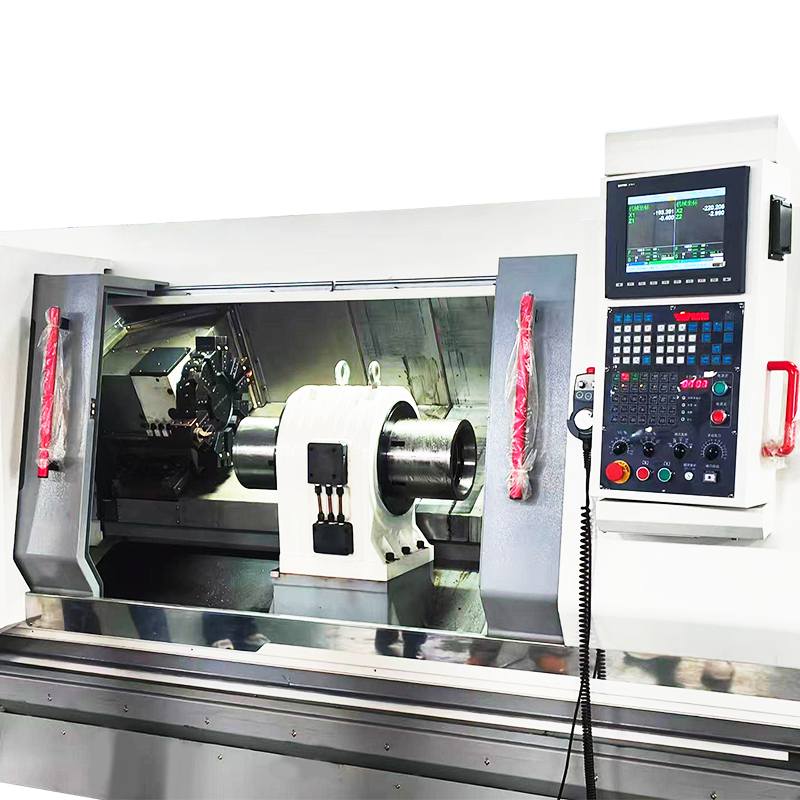
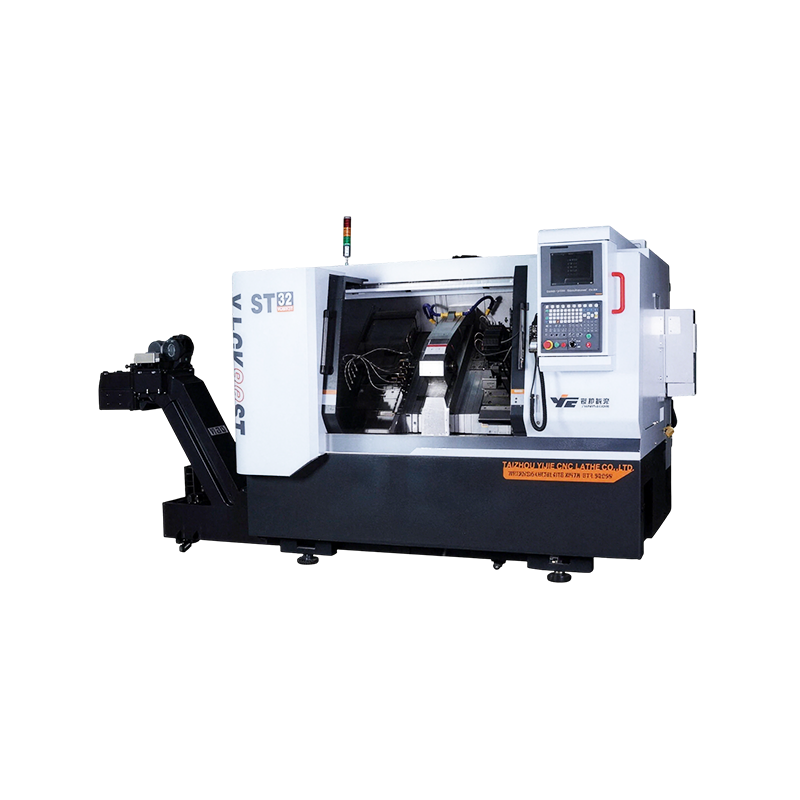
An automatic loading and unloading mechanism is adopted. By using two sets of gang tools, the machine enables automatic one-time clamping to complete multi-station machining on both ends of the workpiece. The machining allowance that originally required several separate operations is concentrated into a single composite operation, allowing multiple processes to be carried out simultaneously. Both ends are machined in one setup, avoiding errors caused by repeated clamping, ensuring machining accuracy, reducing auxiliary machining time, and improving efficiency by 4–6 times.
(2) 45-Degree Transversely Moving Dual-Gang-Tool Design
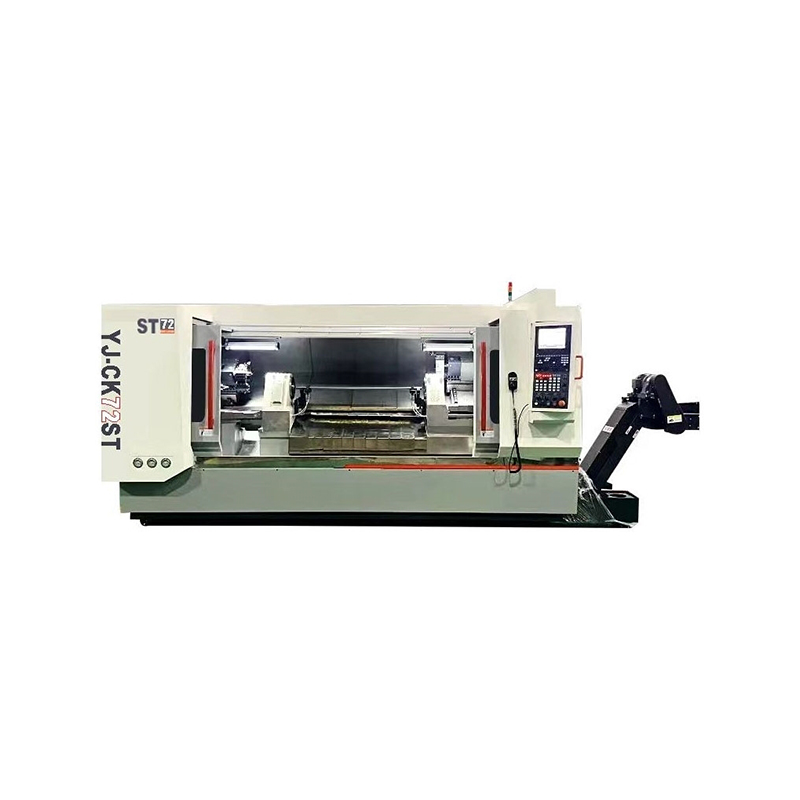
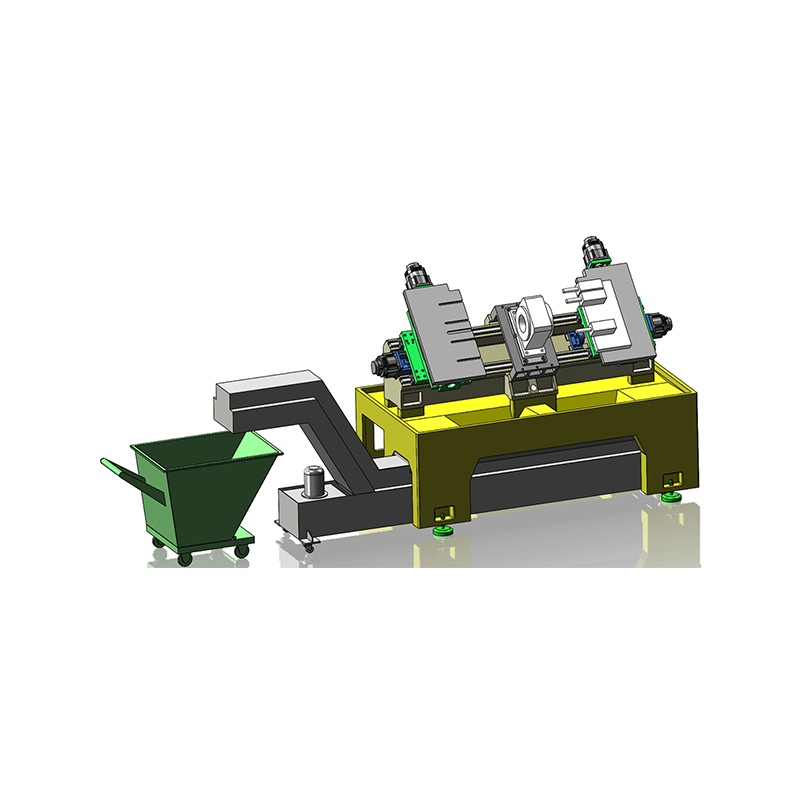
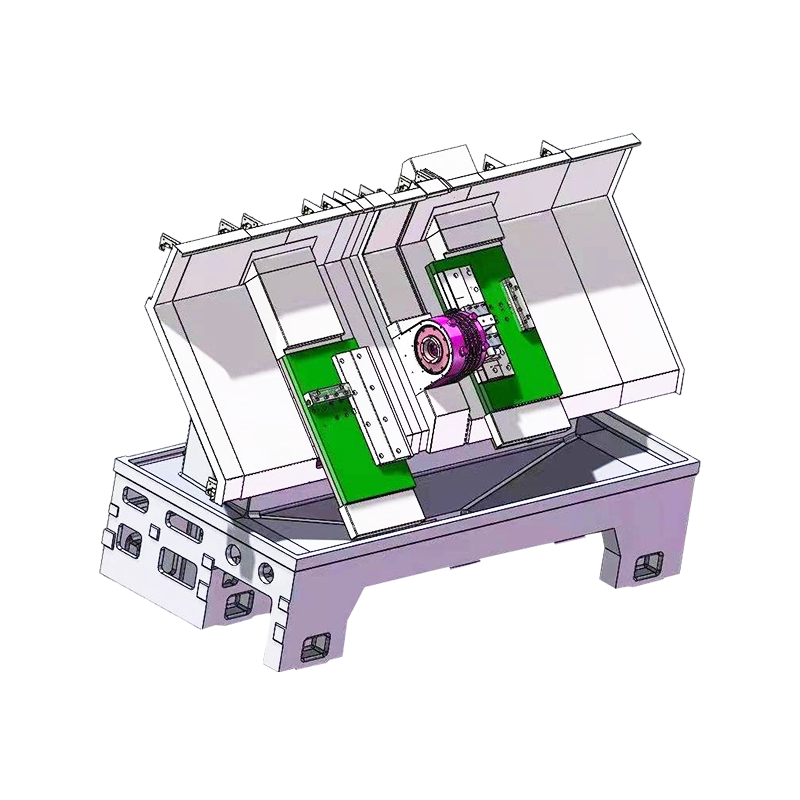
The machine adopts a left–right radial tool arrangement on the spindlestock, with the tool holders installed at a 45-degree angle. This enables large-range radial movement between the tools and the workpiece. Compared with the traditional turret-type circular axial tool arrangement, the 45-degree inclined layout offers higher rigidity, smoother chip evacuation, and easier maintenance. The radial tool movement also solves space layout issues for automatic loading and unloading by robotic manipulators.
(3) Automatic Loading and Unloading Function Design
The system integrates an automatic loading mechanism, a double-end lathe, and an automatic unloading mechanism into a continuous automated production line. The loading mechanism transfers fixed-length shaft parts to the spindlestock for positioning and clamping, followed by double-end machining, and then automatic unloading. The entire process requires no manual intervention, realizing fully automatic integration of loading, machining, and unloading. This greatly improves production efficiency, reduces labor costs, and meets modern requirements for mass production and automated machining.
(4) Intelligent Control System Design
The system integrates a loading system, a shared spindlestock transmission control system, two sets of left–right symmetrical gang-tool drive and motion control systems, and an unloading control system. PLC-based control is adopted to replace part of the relay logic and optimize the electrical system, enabling intelligent control of the machine tool. This improves contact stability, reduces wiring, lowers operator requirements, and further enhances production efficiency.

 English
 中文简体
中文简体 русский