Supporting Track Roller Production: The Role of CNC Lathes in Undercarriage Component Machining
What Is a Track Roller Machining CNC Lathe?
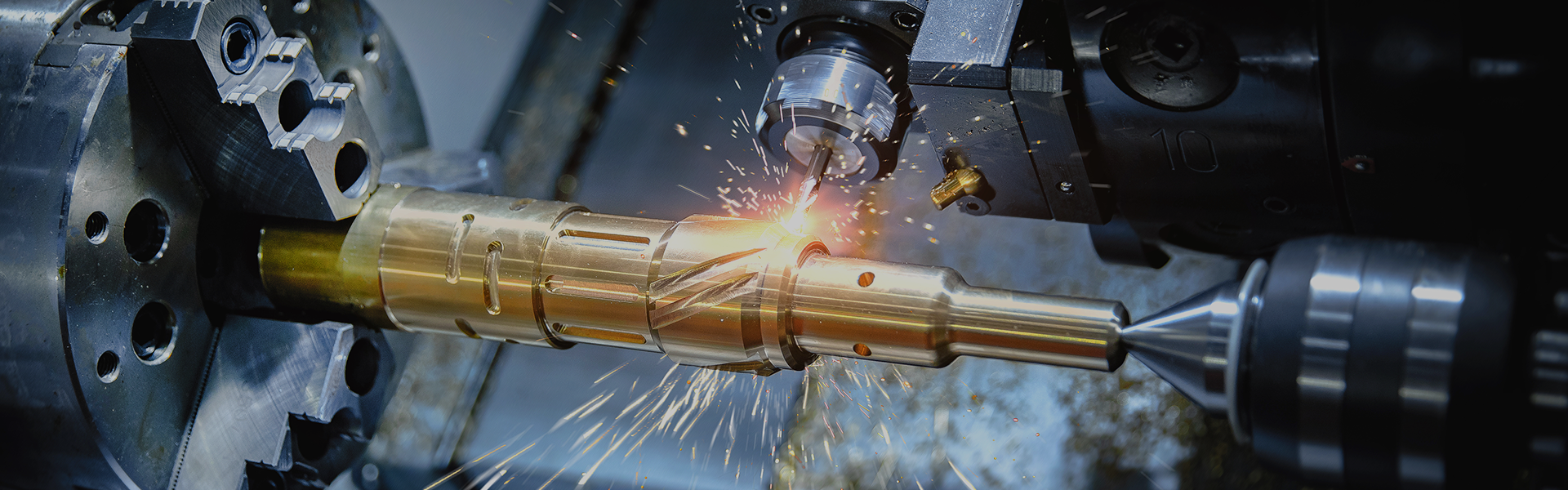
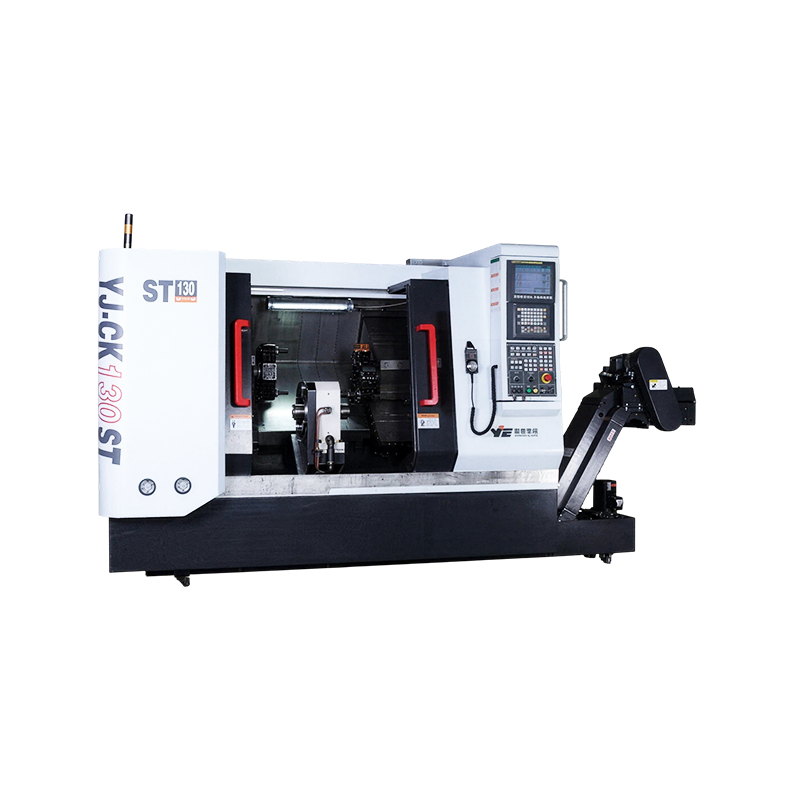
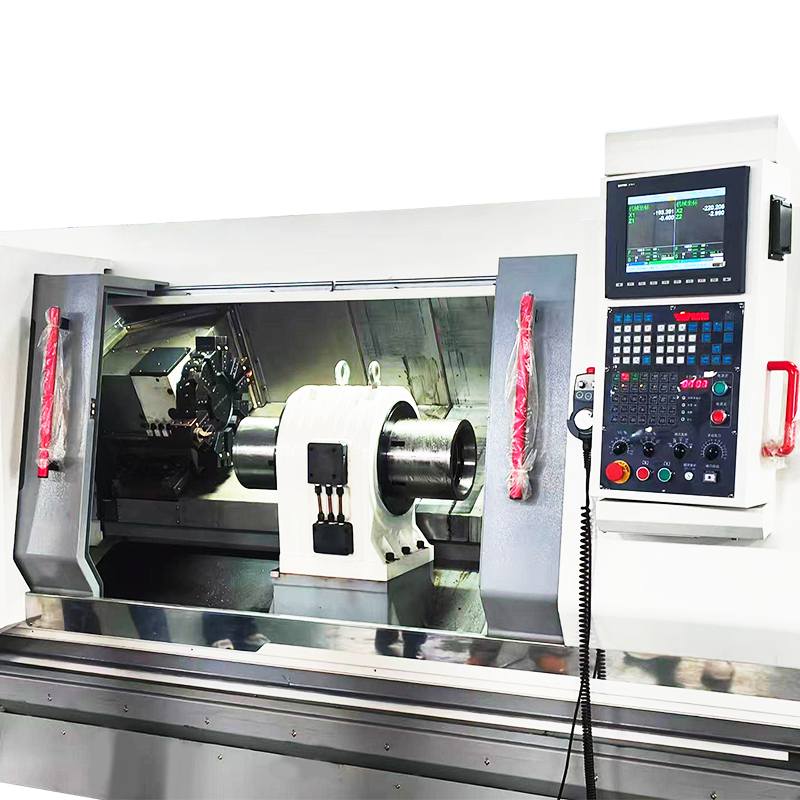
A Track Roller Machining CNC Lathe is a computer-controlled machine designed to machine track rollers used in tracked construction and heavy equipment. In simple terms, it rotates a metal roller and uses cutting tools to machine its outer diameter, inner bore, end faces, grooves, and other required surfaces.
Track rollers work as part of an undercarriage system and need accurately machined surfaces to support the machine's weight and movement. A CNC lathe provides programmed machining for repeated production of these cylindrical components.
Specific Applications
This CNC machine is mainly suitable for manufacturers producing track rollers and related undercarriage components.
Typical applications include:
- Excavator track rollers: machining roller bodies, end faces, bores, sealing areas, and bearing seats
- Bulldozer track rollers: processing heavy roller bodies and mounting surfaces
- Crawler loaders: machining rollers used in tracked undercarriage systems
- Mining and heavy equipment: producing larger rollers for demanding operating environments
- Track roller repair and replacement parts: machining replacement roller components according to drawings
- Related undercarriage parts: processing sleeves, shafts, hubs, and other cylindrical components where machine configuration permits
For example, a track roller may require external diameter turning, internal boring, end-face machining, groove cutting, chamfering, and bearing-seat preparation. A suitable CNC lathe can complete these operations according to a programmed machining sequence.
Core Functions
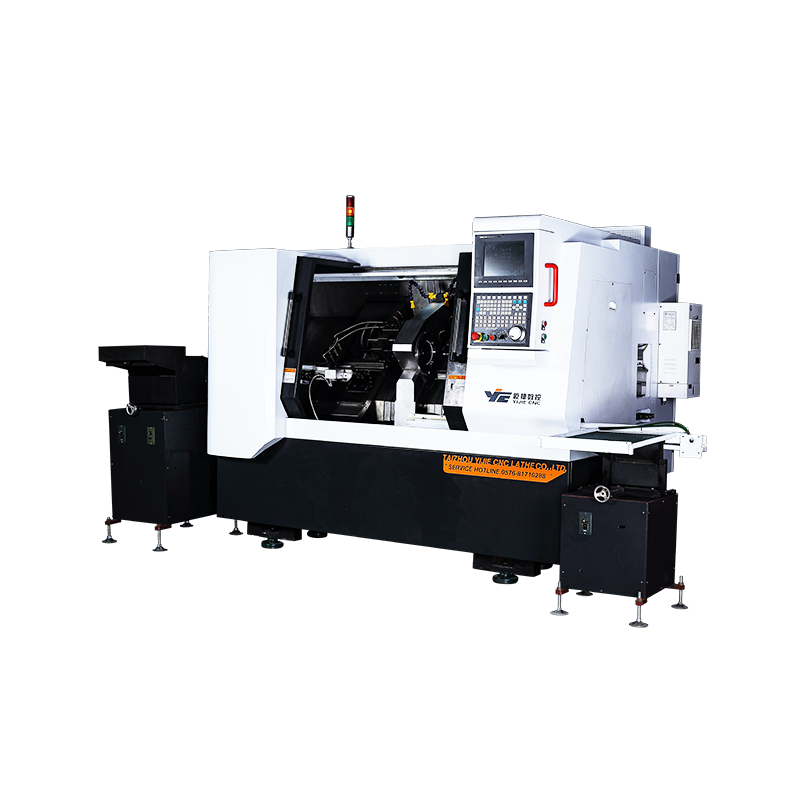
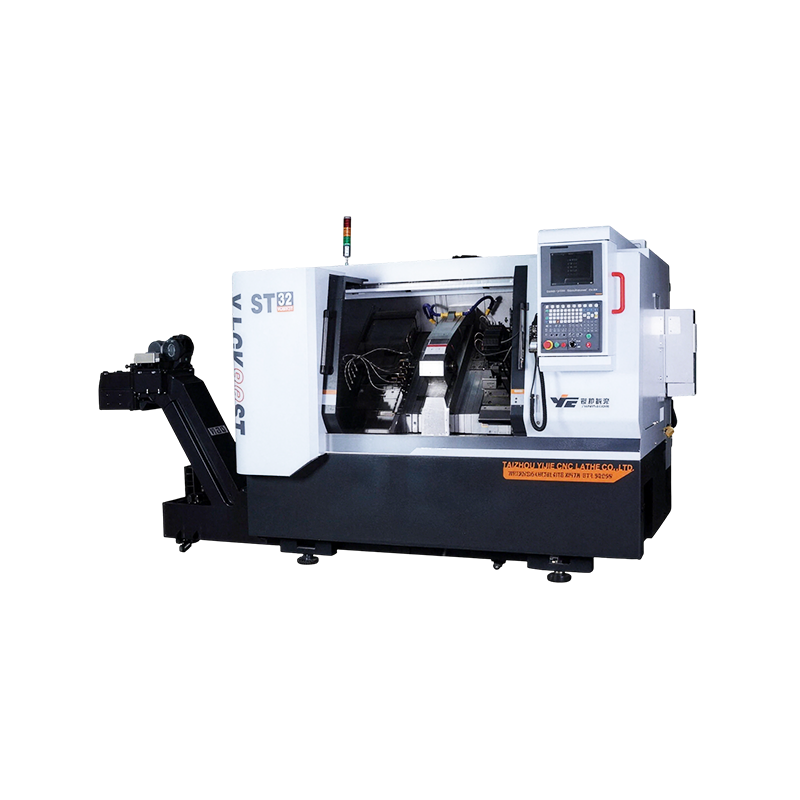
Depending on the configuration, the machine can perform external turning, internal turning, facing, boring, grooving, chamfering, drilling, and other CNC turning operations.
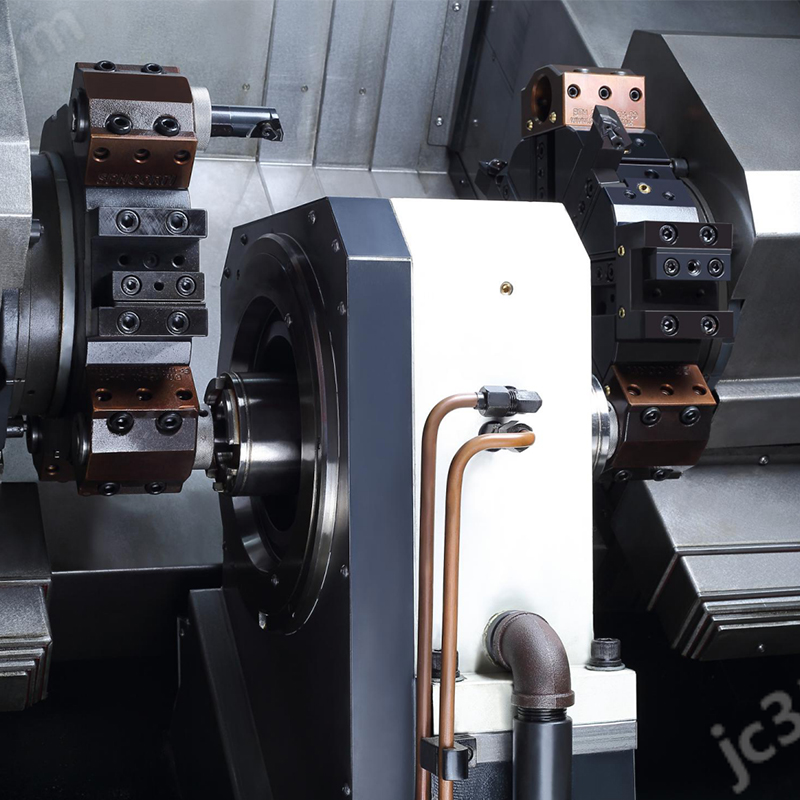
When evaluating equipment for track roller production, customers should check maximum turning diameter, workpiece length, allowable workpiece weight, spindle power and speed, chuck configuration, tool capacity, CNC control, machining travel, positioning accuracy, repeatability, and automation compatibility.
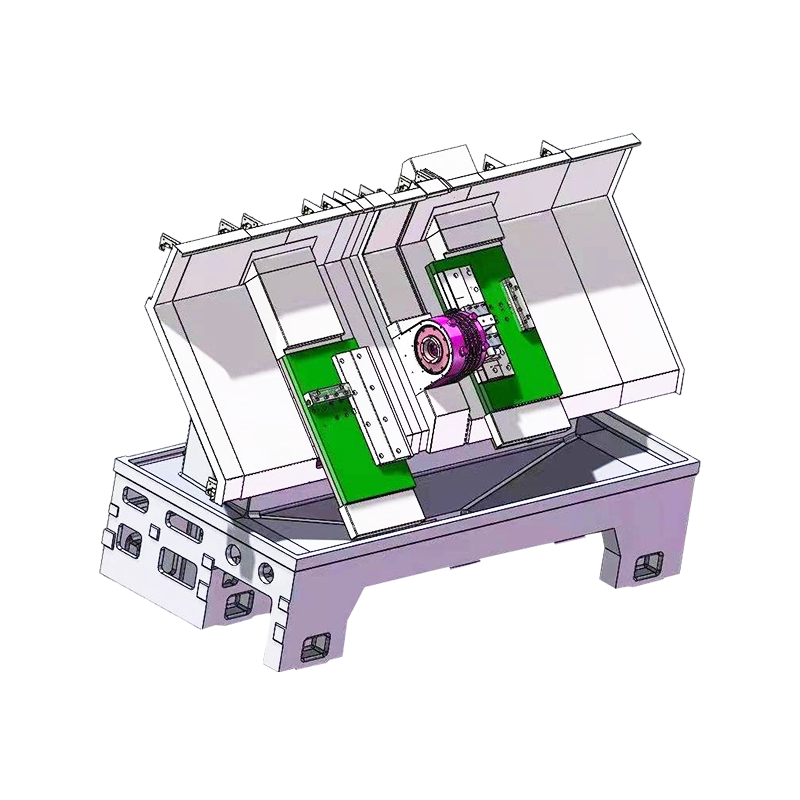
For heavy roller production, machine rigidity, workholding stability, chip removal, and loading methods are also important considerations.
Why Is It Purchased?
Private Brand: Machinery distributors can introduce track roller machining equipment under their own brand through OEM/ODM cooperation. Custom options may include machine appearance, nameplates, labels, manuals, packaging, and selected technical configurations.
Bulk Supply: Equipment distributors can supply CNC lathes to undercarriage component manufacturers and heavy-equipment parts producers with recurring machining requirements.
Cost Optimization: Manufacturers may consider dedicated or application-focused CNC equipment when manual machining, repeated setups, outsourcing, and heavy workpiece handling increase production costs. A suitable CNC process can help create a more consistent workflow for repeated roller production.
What Customer Problems Can It Solve?
Does the target market produce large quantities of track rollers? Are heavy roller bodies difficult to position and machine on general-purpose equipment? Are operators spending too much time on repeated setups? Does outsourced machining increase production lead times?
A suitable Track Roller Machining CNC Lathe can provide controlled turning operations for roller diameters, bores, end faces, grooves, and bearing-related surfaces while reducing unnecessary manual handling.
OEM/ODM Support
OEM/ODM cooperation may include spindle and chuck configuration, CNC system selection, tooling, hydraulic or pneumatic workholding, loading and unloading solutions, machine appearance, branding, packaging, technical documentation, and application-specific modifications.
When evaluating a CNC Machine Supplier, customers should examine heavy-part machining experience, engineering capability, production and assembly capacity, machine testing, quality inspection, spare-parts availability, installation support, and after-sales service.
The machine should be selected according to actual track roller drawings, diameter, length, weight, material, machining operations, tolerance, production volume, and automation requirements. This helps customers assess whether the CNC lathe fits the track roller market and whether the supplier can support long-term private-label, distribution, and OEM/ODM cooperation.

 English
 中文简体
中文简体 русский