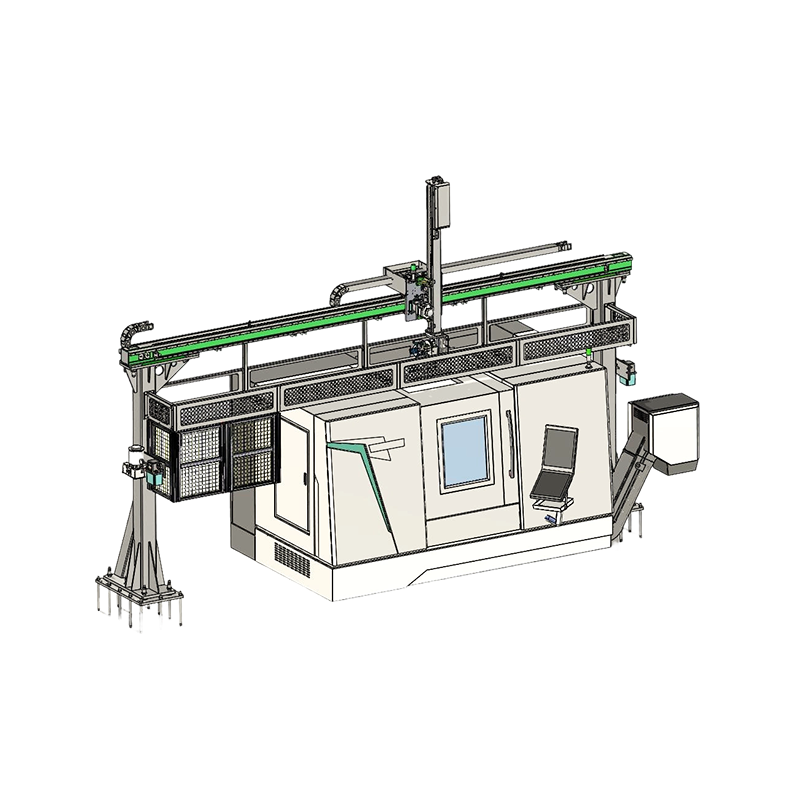
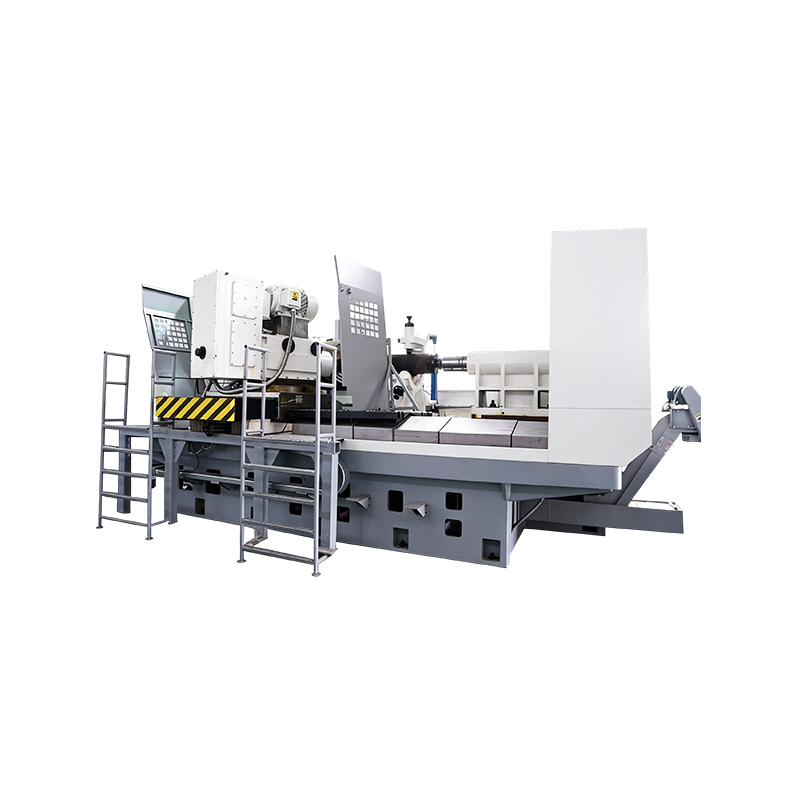
Modern manufacturing industries require machining equipment that can handle different types of components with consistent processing methods. As product structures become more complex, manufacturers need CNC turning solutions that support accurate machining processes and flexible production arrangements.
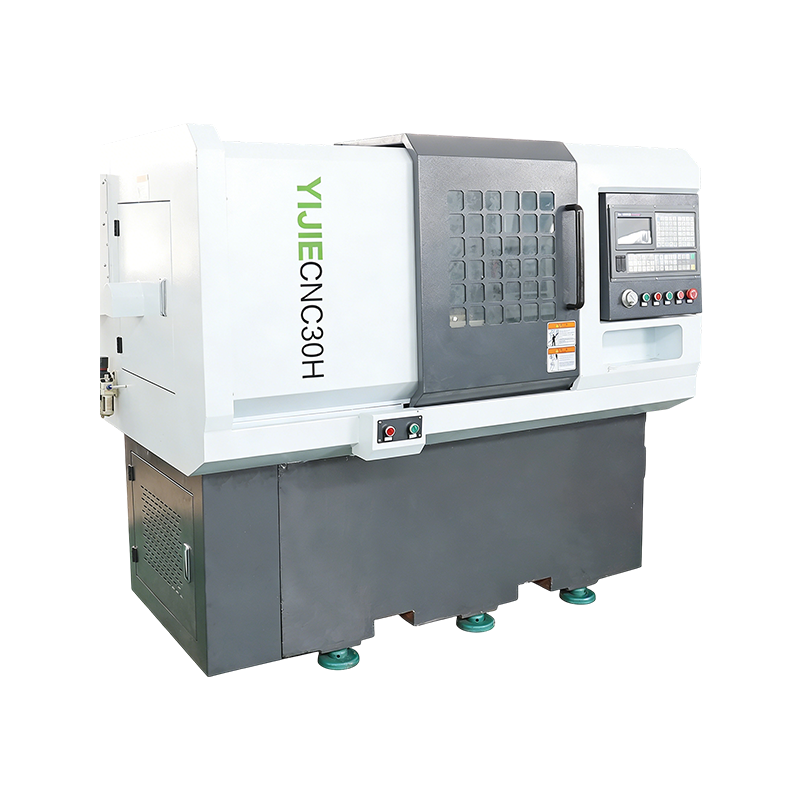
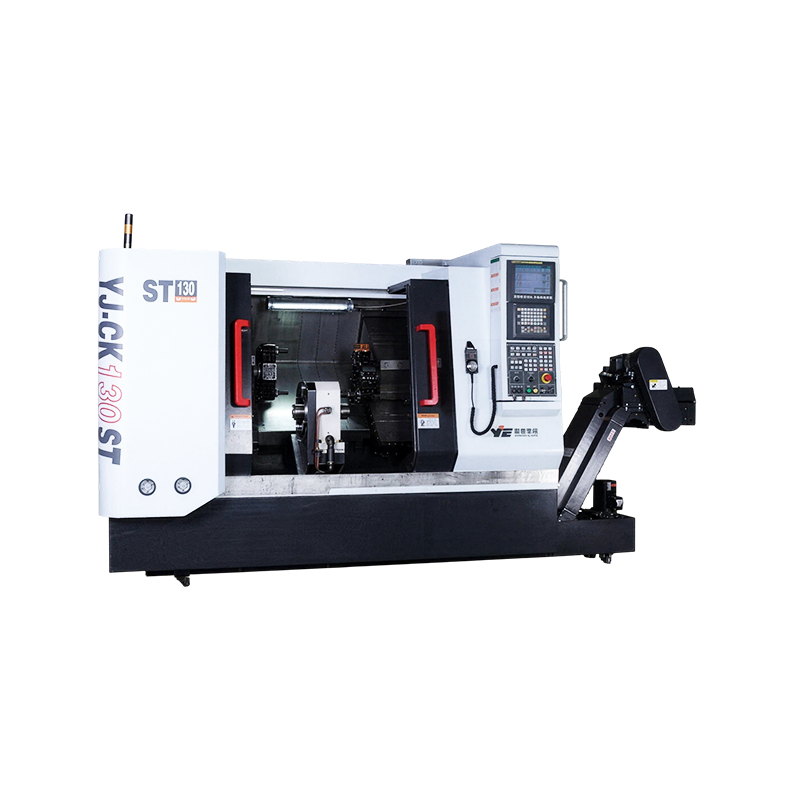
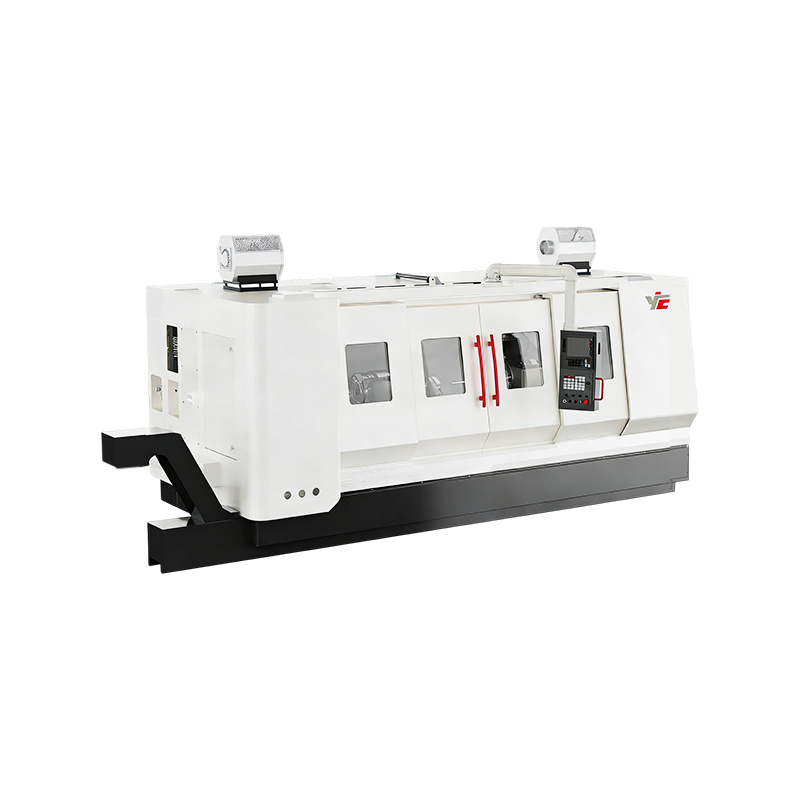
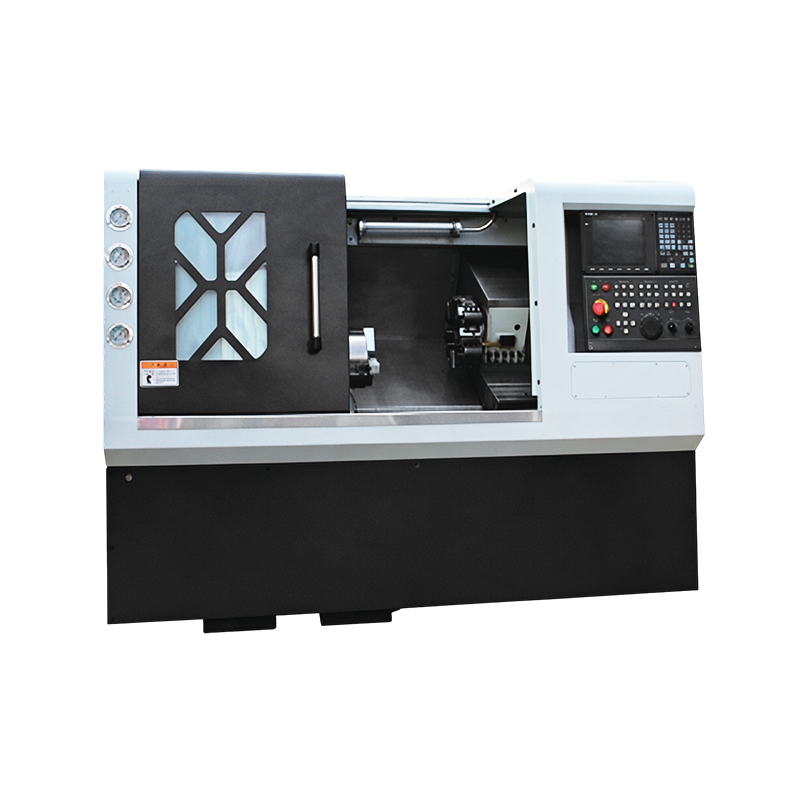
A HighPrecision CNC Lathe is designed for precision turning applications where component quality, machining consistency, and process control are important considerations. This type of equipment combines CNC technology, mechanical structure design, and tooling systems to support various manufacturing requirements.
From automotive parts to industrial components, precision turning plays an important role in creating parts that require careful dimensional control and surface processing. A suitable CNC lathe helps manufacturers organize machining procedures and improve production management.
Understanding Precision Machining Requirements
Precision components are widely used in many industries, including automotive manufacturing, industrial equipment production, hydraulic systems, and mechanical engineering.
These components often include:
- Shaft parts
- Connector components
- Mechanical structures
- Rotating parts
- Hydraulic elements
Different components may require different machining processes. Manufacturers need equipment that can adapt to various shapes, materials, and processing conditions.
A HighPrecision CNC Lathe supports these requirements through controlled cutting operations and programmable machining procedures. The CNC system allows operators to create suitable machining programs based on component designs and production needs.
Applications in Automotive Component Manufacturing
The automotive industry requires various precision components for vehicle systems. Many parts need reliable machining processes to achieve suitable fitting conditions and functional performance.
Common applications include:
Shaft Components
Shaft parts require accurate turning processes because they connect different mechanical systems. A precision CNC lathe can support turning operations for various shaft designs.
Transmission Components
Transmissionrelated parts often include complex structures and specific machining requirements. CNC turning equipment helps manufacturers organize processing steps for these components.
Connection Parts
Automotive assemblies contain many connection elements that require stable machining processes. Precision turning equipment supports the production of these parts through controlled operations.
Applications in Industrial Equipment Manufacturing
Industrial machinery uses many mechanical components that require careful machining processes. A HighPrecision CNC Lathe can support the production of parts used in different equipment systems.
- Examples include:
- Mechanical housings
- Rotating components
- Support parts
- Hydraulic elements
Manufacturers can adjust machining programs according to different component designs and material characteristics.
The flexibility of CNC turning allows production teams to handle various parts while maintaining organized manufacturing procedures.
CNC Technology Supporting Precision Turning
The CNC control system is an important part of precision machining equipment. It manages machining instructions and coordinates different movements during the turning process.
Key functions include:
Program Management
Operators can create and adjust machining programs according to component requirements. This allows different parts to be processed through suitable procedures.
Process Control
The CNC system helps coordinate cutting operations, tool movements, and machining sequences. This supports stable production processes.
Production Adjustment
Different products may require different machining methods. CNC programming allows manufacturers to adjust processing plans according to changing production needs.
Tooling System and Machining Flexibility
Tooling selection has a direct influence on turning operations. Different materials and component structures may require different cutting tools and machining methods.
A HighPrecision CNC Lathe can work with various tooling configurations to support:
- External turning
- Internal machining
- Face processing
- Groove machining
- Thread processing
The tooling system can be arranged according to specific manufacturing requirements, helping companies create suitable machining workflows.
Supporting Different Materials and Components
Manufacturers often process components made from various materials, including metal alloys and industrial materials with different characteristics.
A suitable CNC turning solution needs to consider:
- Material properties
- Component structure
- Cutting requirements
- Production conditions
The flexibility of CNC machining allows manufacturers to develop appropriate processing methods for different applications.
Custom Machining Solutions for Different Requirements
Every manufacturing environment has different production conditions. Some companies may require customized fixtures, special tooling arrangements, or specific machining processes.
A HighPrecision CNC Lathe can be configured according to:
- Component design
- Production workflow
- Processing requirements
- Factory conditions
Customization helps manufacturers create machining solutions that match their actual applications.
Integration with Modern Production Systems
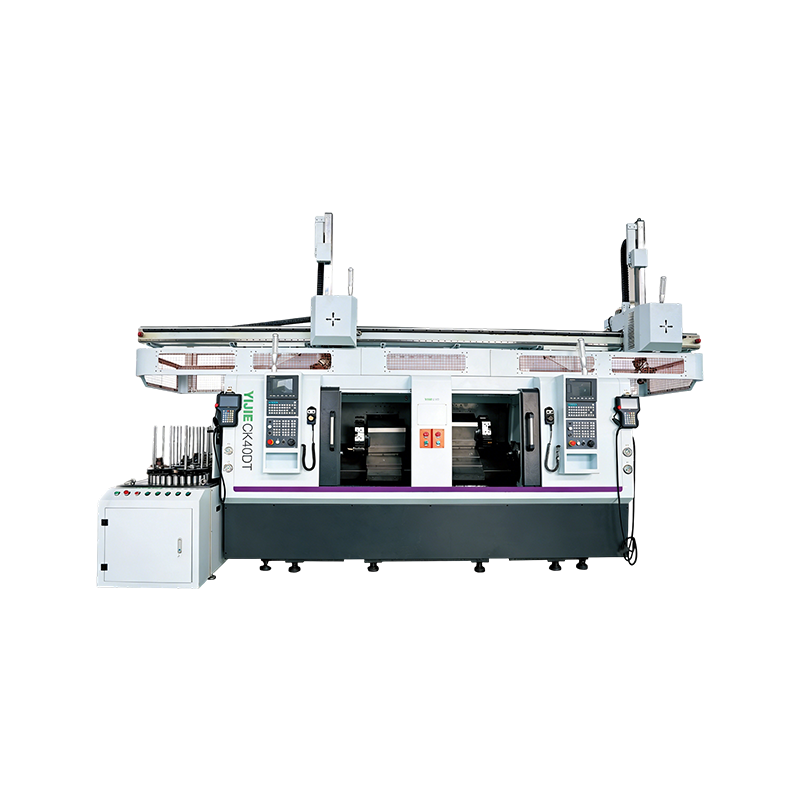
Manufacturing plants continue to improve production organization through automation and digital management. CNC turning equipment can connect with different production systems according to factory requirements.
Possible integration options include:
- Automatic loading systems
- Material handling solutions
- Production line connections
- Process monitoring systems
These solutions help manufacturers organize machining operations and improve workflow management.

 English
 中文简体
中文简体 русский