Rear axle tubes are important components in automotive manufacturing and are widely used in vehicle structures. Due to their tubular shape, length, and machining requirements, these components require suitable processing methods to maintain dimensional consistency and production stability.
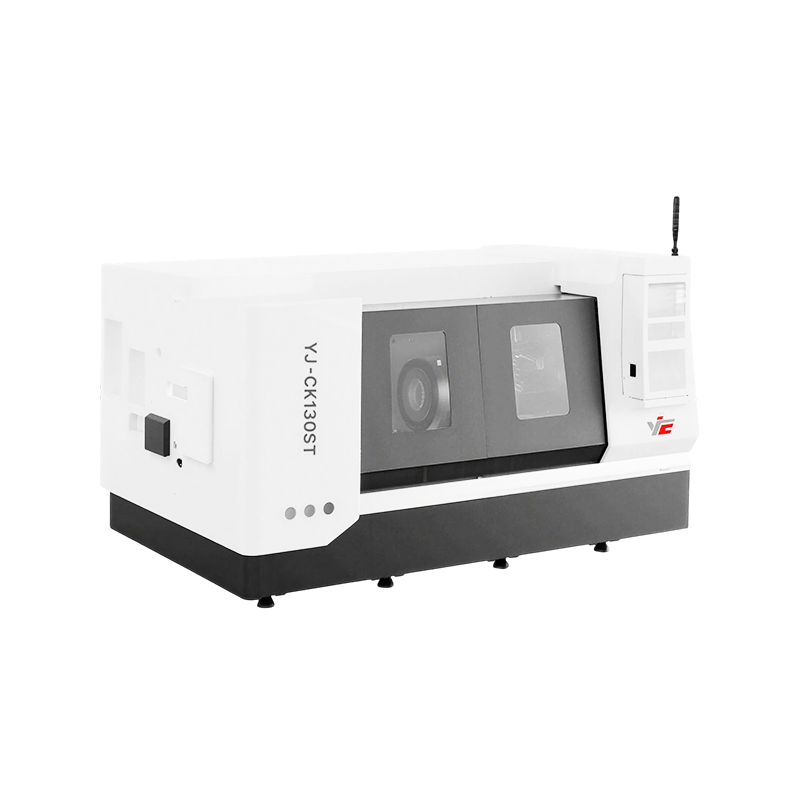
During rear axle tube manufacturing, several machining procedures may be involved, including turning, end processing, and surface treatment. The equipment used for these operations needs to provide stable positioning and reliable control throughout the machining process.
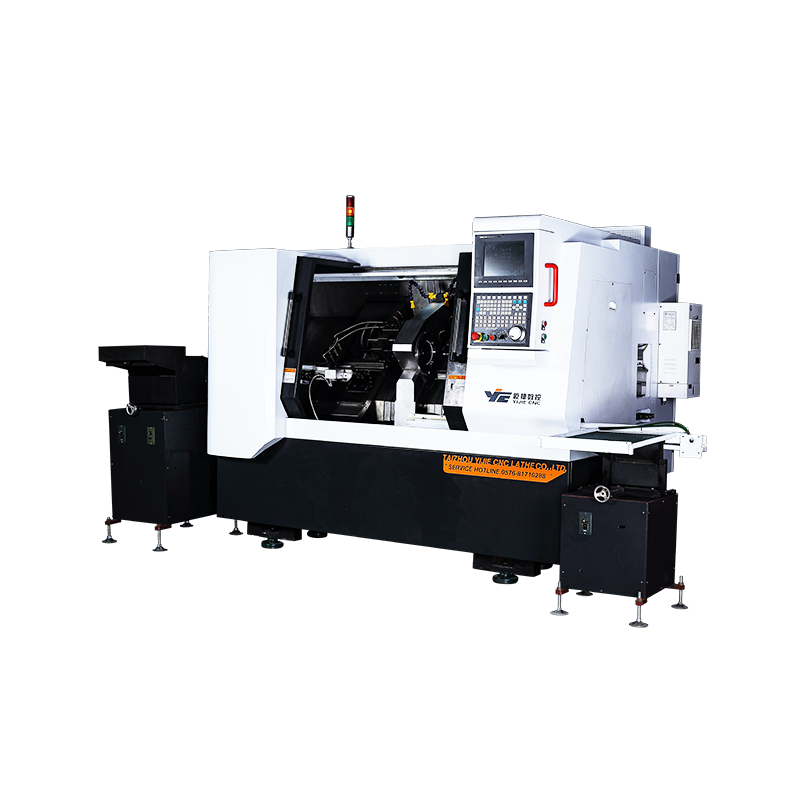
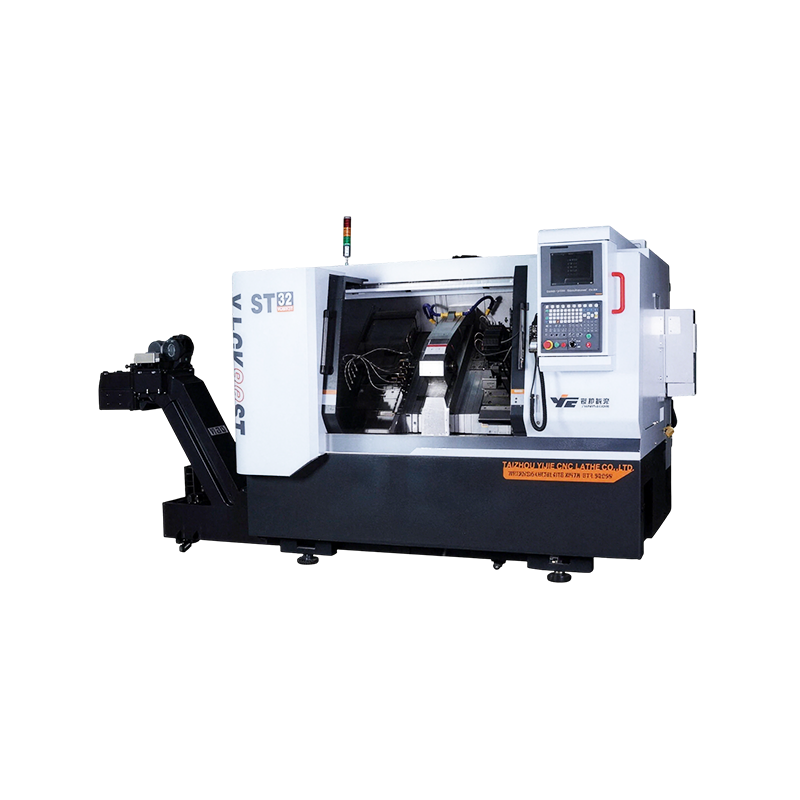
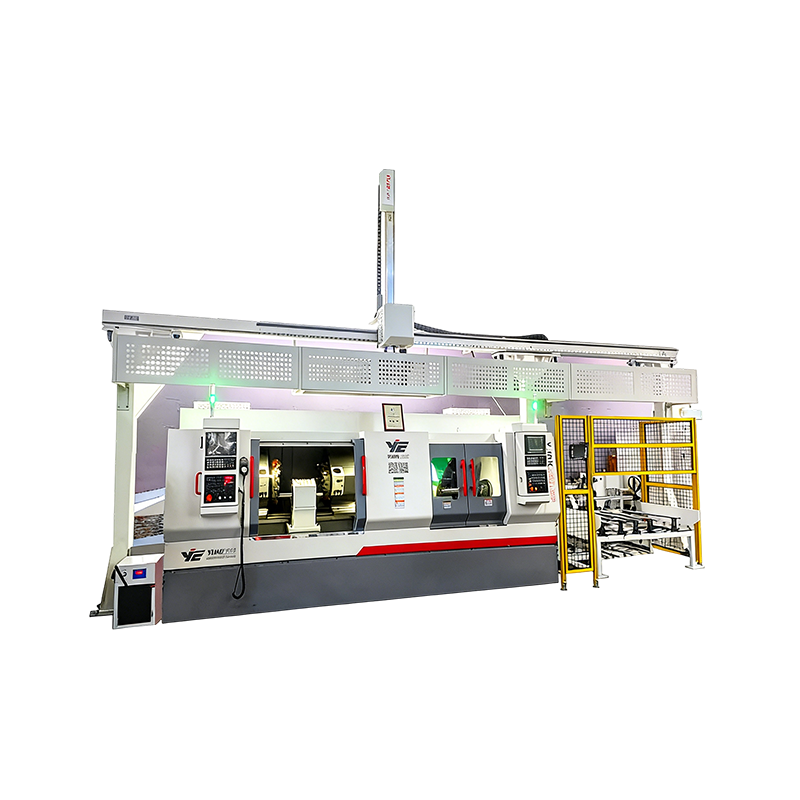
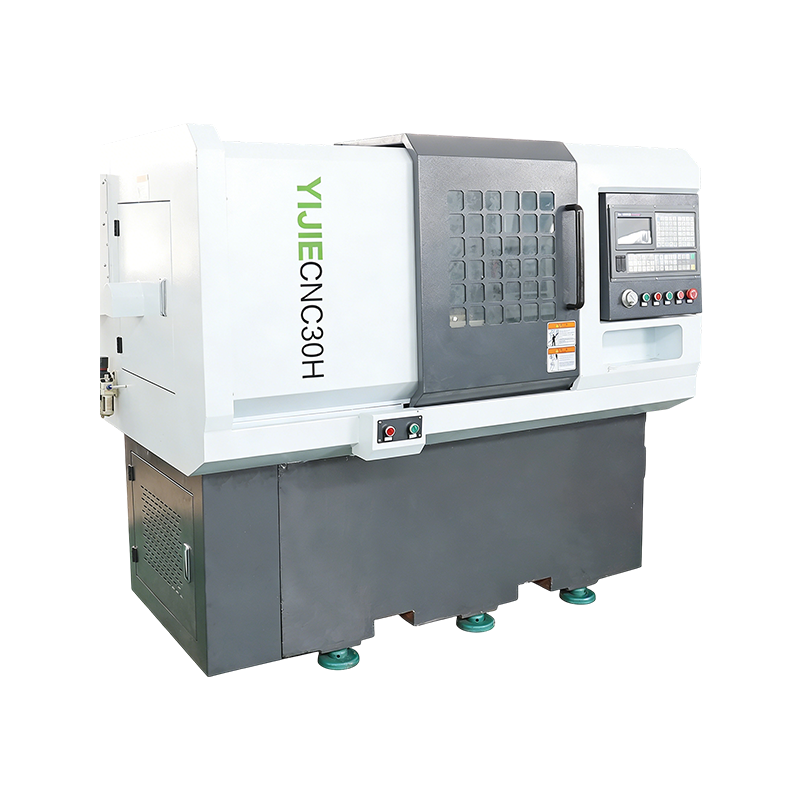
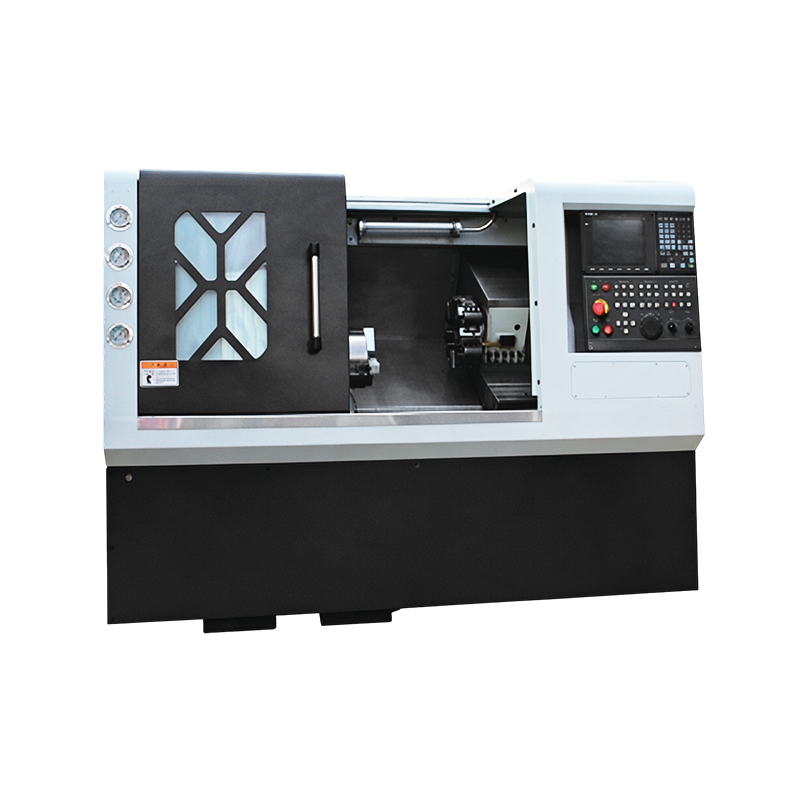
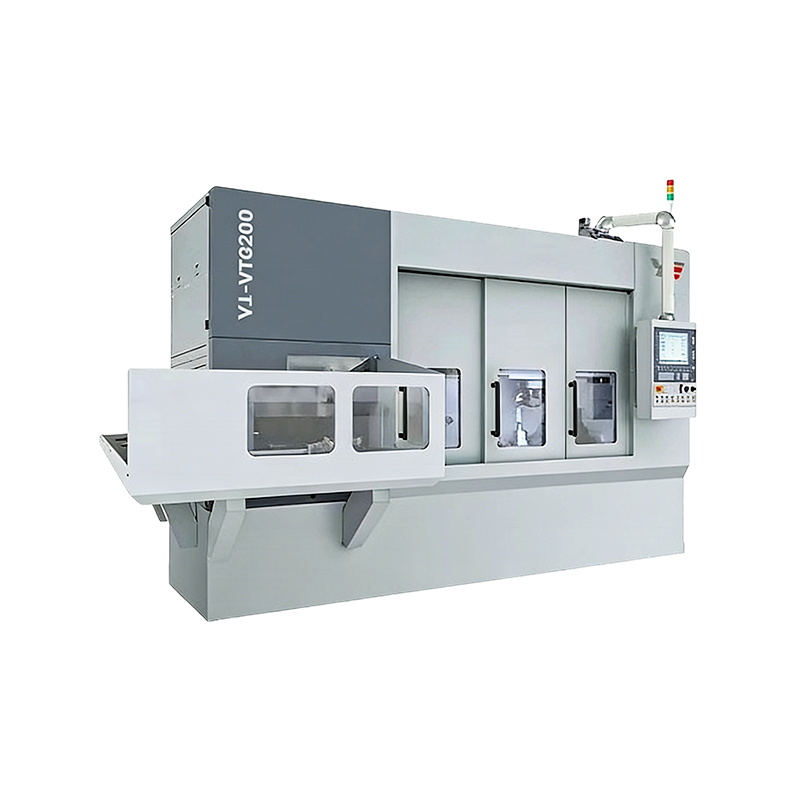
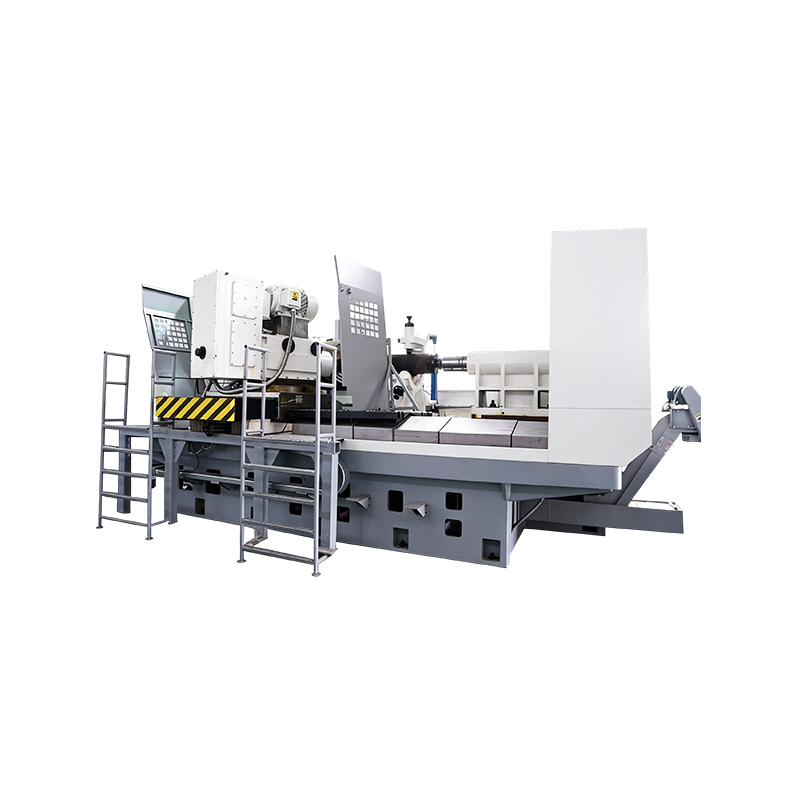
With the development of automotive production, manufacturers are paying more attention to machining solutions that can improve workflow management and support different component requirements. Rear Axle Tubes Center Drive Lathe is designed to meet the processing needs of tubular automotive components by combining center drive technology with CNC machining functions.
Basic Working Principle of Center Drive Machining
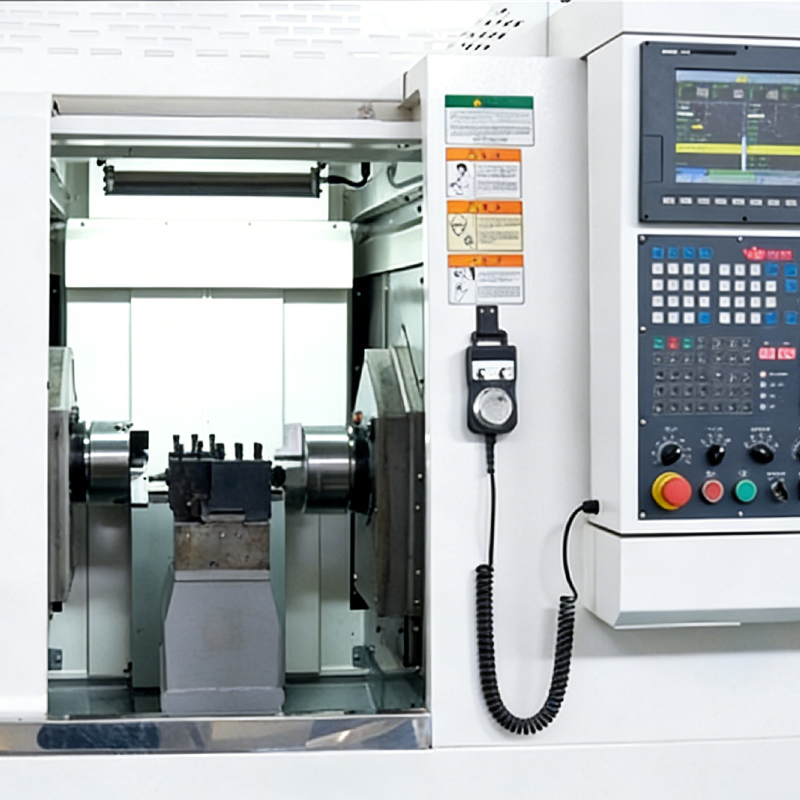
Rear Axle Tubes Center Drive Lathe uses a center drive structure to support and process rear axle tube components. The center drive system provides support from the middle area of the workpiece, helping maintain stable positioning during machining operations.
Long tubular parts may experience movement or vibration during processing if the support method is not suitable. The center drive structure helps create a balanced machining condition by improving workpiece stability and supporting accurate processing procedures.
The CNC control system allows operators to set machining programs according to component drawings and production requirements. Different processing steps can be organized through digital instructions, helping manufacturers manage repeated production tasks with consistent methods.
Machining Process for Rear Axle Tubes
Rear axle tube machining usually requires attention to several areas, including tube dimensions, end sections, connection areas, and surface quality. Each processing stage needs to follow specific requirements to ensure that finished components can be used in vehicle assembly.
Rear Axle Tubes Center Drive Lathe supports machining operations for these components through coordinated processing methods. The equipment can handle different machining tasks while maintaining stable workpiece positioning.
Compared with traditional methods that may require repeated setups, center drive machining provides a more organized production approach. Reducing unnecessary handling steps can help improve production planning and simplify operation procedures.
For manufacturers producing different types of rear axle tubes, flexible machining capability is important. CNC programming allows operators to adjust processing parameters according to different component designs and production schedules.
Application Areas in Automotive Manufacturing
Automotive manufacturing includes various component production processes, and rear axle tubes are commonly used in different vehicle categories. These components require machining solutions that can support stable production and consistent processing results.
Rear Axle Tubes Center Drive Lathe can be applied in manufacturing environments related to vehicle components, mechanical structures, and tubular parts. The equipment design focuses on supporting machining tasks that require accurate positioning and coordinated operation.
In production lines, manufacturers often consider factors such as equipment flexibility, operation methods, and maintenance requirements. A suitable machining solution can help companies improve production organization and manage different processing tasks.
The application of CNC machining technology also allows production teams to improve process control. Through programmed operations, manufacturers can reduce manual adjustments and maintain stable machining procedures during repeated production.
Benefits of Using Center Drive Technology
Center drive technology provides several practical advantages for rear axle tube machining. By supporting the workpiece through the center area, the machining process can maintain better stability when handling long components.
Rear Axle Tubes Center Drive Lathe helps create a smoother production process by integrating support structure, CNC control, and coordinated machining functions. This combination allows manufacturers to arrange production steps more effectively.
Another important factor is process consistency. Automotive component production often involves repeated machining operations, and maintaining consistent procedures is important for production management. CNC systems help operators control machining parameters and organize manufacturing tasks.
The equipment can also support adjustments for different component requirements. When production conditions change, manufacturers can modify machining programs to match new specifications and processing plans.
Factors Influencing Equipment Selection
When selecting machining equipment for rear axle tube production, manufacturers usually evaluate several aspects. These include component size requirements, machining processes, equipment structure, control system functions, and long-term operation needs.
Rear Axle Tubes Center Drive Lathe provides a machining option for companies that focus on tubular automotive component processing. Understanding production requirements helps manufacturers select equipment configurations that match their manufacturing goals.
Equipment selection also involves considering future production changes. Flexible machining systems allow companies to respond to different component designs and production demands.
Development Trends in Rear Axle Tube Processing
Automotive manufacturing continues to develop with increasing attention on digital production and efficient process management. Machining equipment needs to support flexible operation while maintaining reliable production performance.
Rear Axle Tubes Center Drive Lathe combines center drive technology with CNC control to support modern machining requirements. Its application in rear axle tube production demonstrates how specialized equipment can help manufacturers improve processing methods.
As vehicle component manufacturing continues to change, machining solutions designed for specific applications will remain important. Equipment that supports stable operation, flexible programming, and organized production procedures can provide practical support for automotive manufacturing environments.

 English
 中文简体
中文简体 русский