Supporting Oil Drill Pipe Production: The Role of CNC Lathes in Tubular Component Machining
What Is an Oil Drill Pipes CNC Lathe?
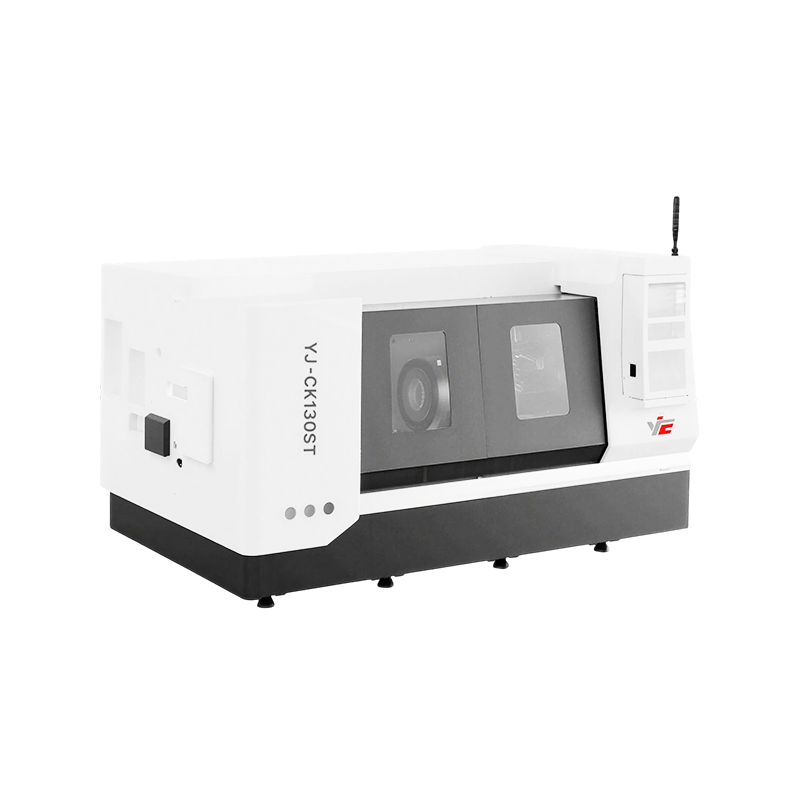
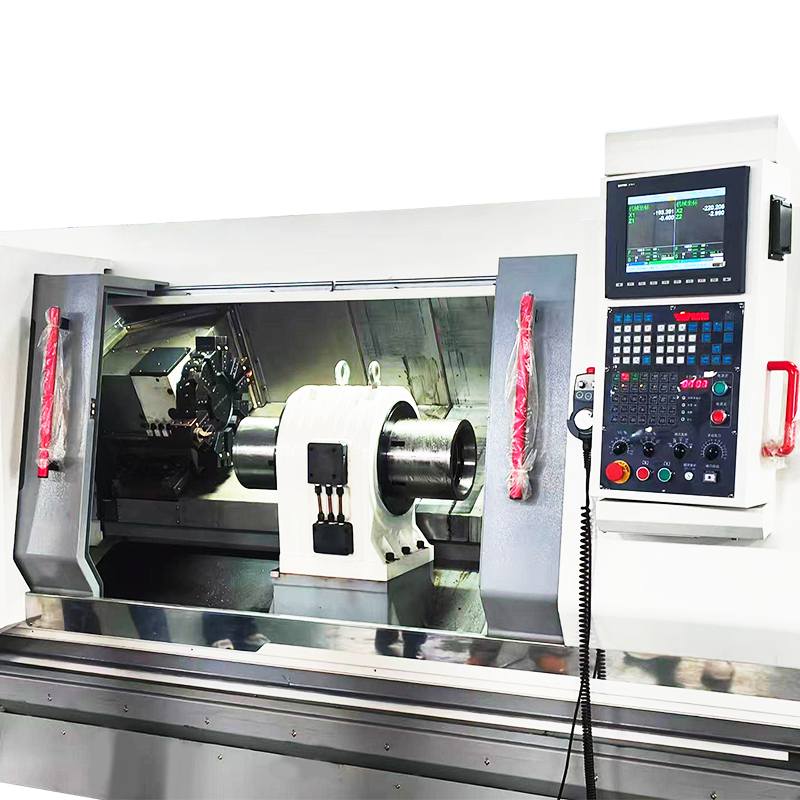
An Oil Drill Pipes CNC Lathe is a CNC machine designed to machine tubular components used in drilling equipment. In simple terms, it holds a long metal pipe and uses computer-controlled cutting tools to machine the outside diameter, pipe ends, threads, shoulders, and other required features.
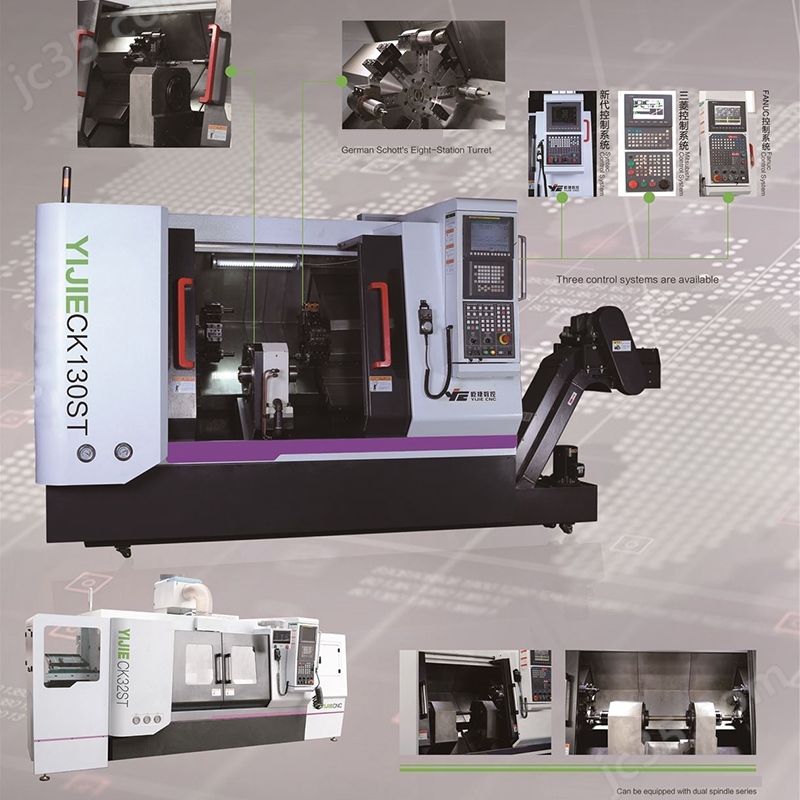
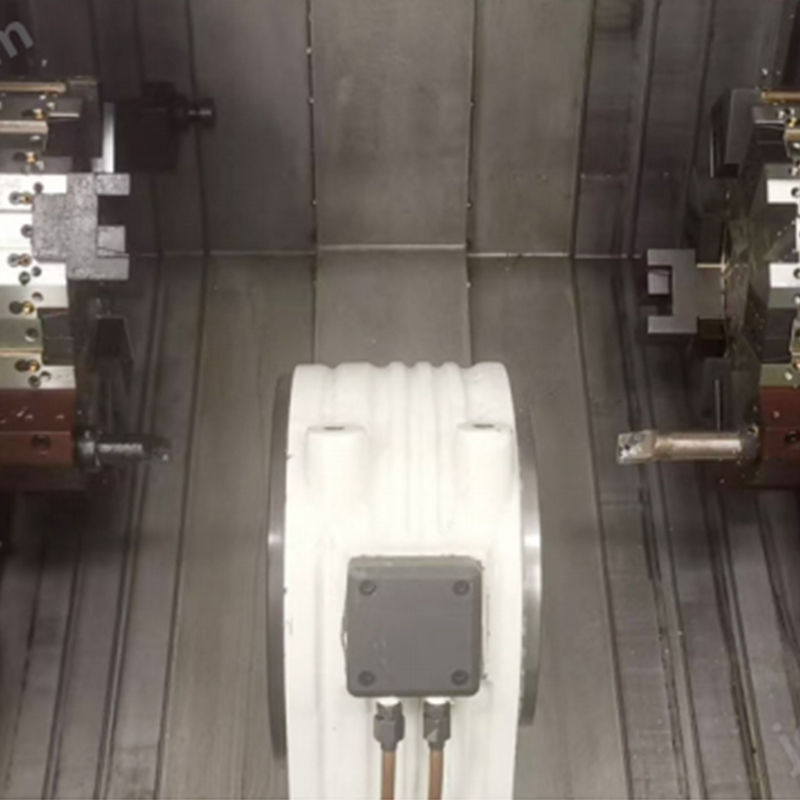
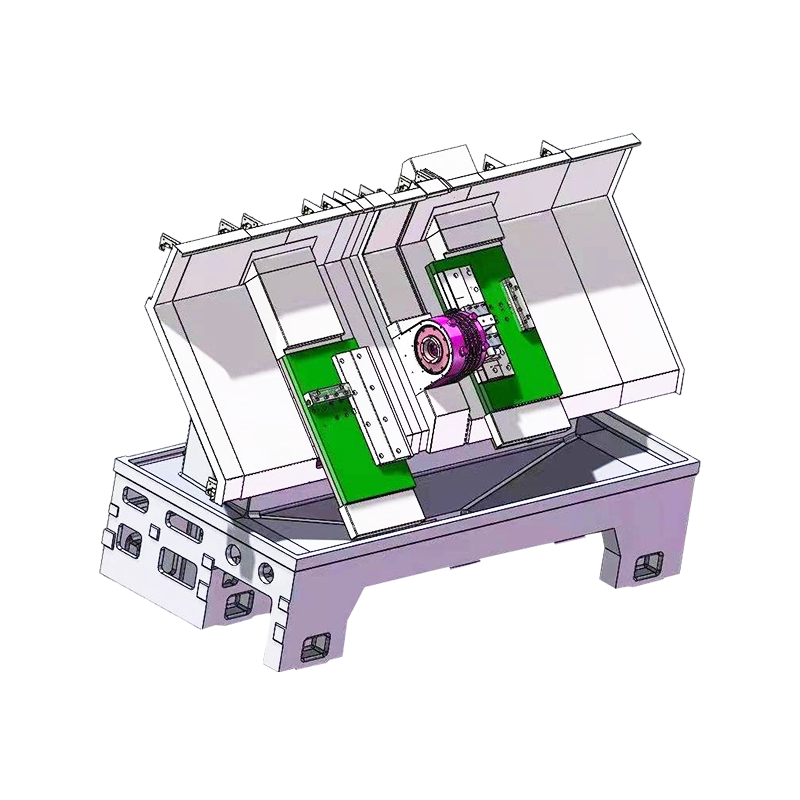
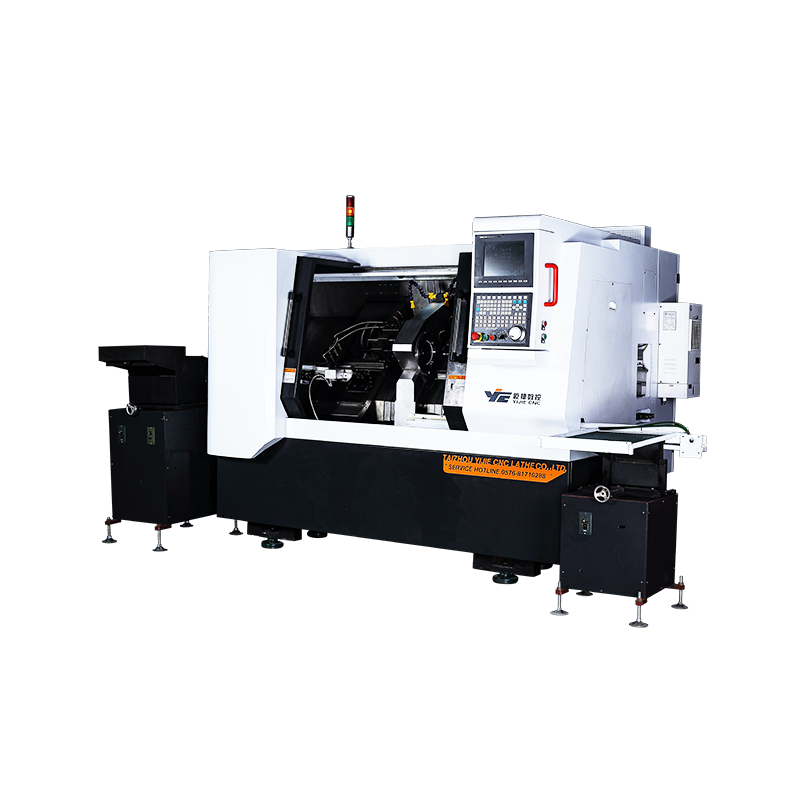
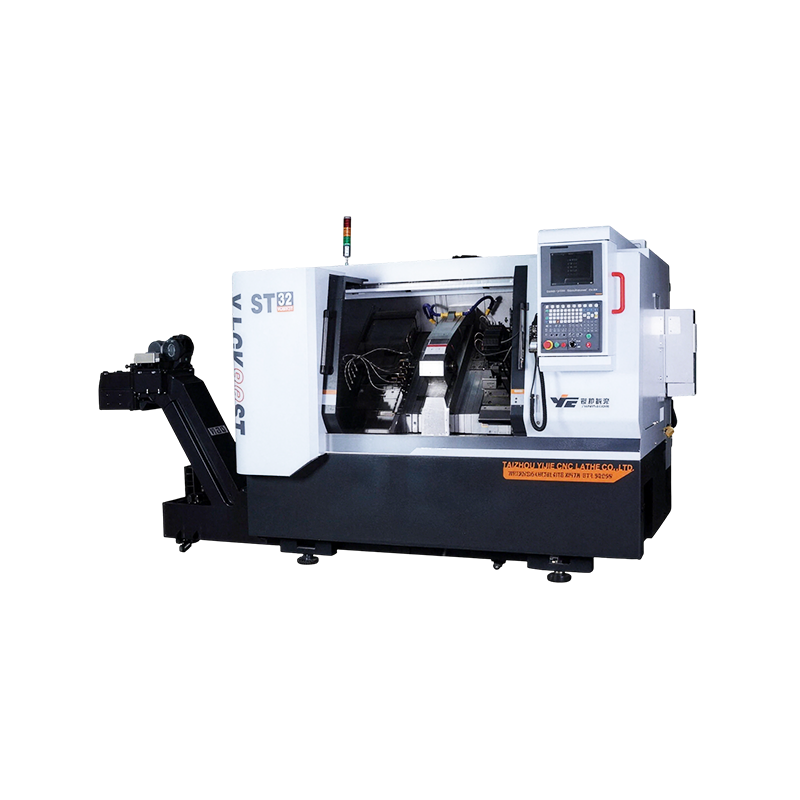
A Dual-Spindle Machining configuration uses two spindle systems to support different workholding or machining stages. Depending on the machine design, this can help handle long tubular workpieces and reduce repeated repositioning during production.
Specific Applications
This type of CNC lathe is mainly used by manufacturers producing oil and gas drilling components, pipe connections, and related tubular parts.
Typical applications include:
- Oil drill pipes: machining pipe ends, external diameters, connection sections, and threaded areas
- Drill pipe joints: processing connection surfaces, shoulders, threads, and cylindrical sections
- Drill collars and tubular components: turning large diameters, end faces, and connection areas
- Oilfield equipment parts: machining sleeves, couplings, adapters, and other cylindrical components
- Pipe connection components: external and internal threading, facing, boring, and chamfering
- Batch pipe production: repeated machining of standardized tubular components
For example, a drill pipe connection may require facing, external turning, boring, threading, and chamfering. A suitable CNC lathe can arrange these operations according to the component drawing and machining requirements.
Core Functions
Depending on the configuration, the machine can perform external turning, internal turning, boring, facing, grooving, threading, chamfering, drilling, and other CNC operations.
For drill pipe machining, customers should pay particular attention to maximum machining diameter, workpiece length, spindle bore, spindle power and speed, chuck configuration, threading capability, tool capacity, CNC control system, positioning accuracy, repeatability, and workpiece support.
Long and heavy pipes may also require steady rests, hydraulic workholding, automatic loading systems, and suitable chip and coolant management.
Why Is It Purchased?
Private Brand: Machinery distributors can introduce Oil Drill Pipes CNC Lathes under their own brand through OEM/ODM cooperation. Custom options may include machine appearance, nameplates, labels, manuals, packaging, and selected technical configurations.
Bulk Supply: Equipment distributors can supply these machines to drill pipe manufacturers, oilfield equipment producers, and machining factories with recurring tubular component requirements.
Cost Optimization: Manufacturers may consider dedicated pipe-machining equipment when repeated setups, manual handling, outsourced threading, or multiple machining stages increase labor and production costs. A suitable CNC solution can help connect several pipe-machining operations within one workflow.
What Customer Problems Can It Solve?
Does the target market process long and heavy drill pipes or connection components? Are standard CNC lathes limited by spindle bore or workpiece length? Are operators repeatedly repositioning pipes? Does outsourced threading or end machining extend production schedules?
A suitable Oil Drill Pipes CNC Lathe can provide a machining solution designed around tubular workpieces, helping manufacturers handle turning, boring, facing, and threading operations with greater process consistency.
OEM/ODM Support
OEM/ODM cooperation may include spindle and chuck configuration, spindle bore, threading system, workpiece support, CNC control selection, tooling, loading solutions, machine appearance, branding, packaging, technical documentation, and application-specific modifications.
When evaluating a Dual-Spindle Machining Supplier, customers should examine experience with long tubular components, engineering capability, production and assembly capacity, machine testing, quality inspection, spare-parts availability, installation support, technical documentation, and after-sales service.
The machine should be configured according to actual pipe drawings, diameter, length, wall thickness, material, thread type, tolerance, production volume, and required machining sequence. This helps customers determine whether the equipment fits their target market and whether the supplier can support long-term private-label, distribution, and OEM/ODM cooperation.

 English
 中文简体
中文简体 русский